



Serbia's Political Crossroads: Vucic’s Negotiation Dilemma
President Aleksandar Vucic of Serbia initiates talks to resolve a political crisis sparked by anti-government protests demanding early elections. Criticized as futile, these talks include parliamentary parties and minority group leaders. Key issues involve election timing, EU relations, and addressing Serbia's internal reforms.
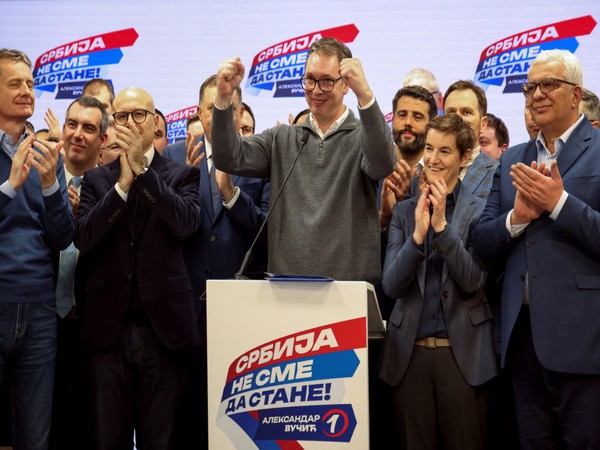
- Country:
- Serbia
President Aleksandar Vucic of Serbia is embarking on a series of talks this Friday, aiming to navigate the country out of a deepening political crisis. Critics, however, dismiss these discussions as fruitless, viewing them as pre-election posturing rather than genuine negotiation.
The political unrest, fueled by an anti-government protest movement that emerged following a fatal incident in Novi Sad, has intensified demands for an early parliamentary election, scheduled initially for December 2027. Amid this unrest, Vucic proposed a potential vote in the summer or later this year.
The dialogue is set to include a diverse range of participants, from parliamentary parties to student representatives, yet significant groups have opted out, citing the talks' ineffectiveness. As Serbia strives for EU integration, it juggles reform necessities with delicate diplomatic relations with Russia and China.
ALSO READ
-
Serbian Journalists Under Siege: A Struggle for Press Freedom
-
Serbian Journalists Rally Against Media Suppression
-
Serbian Student Uprising: A Clash of Authority and Activism
-
EU Demands Justice Amidst Violence in Serbian Elections
-
Serbia Secures Affordable Russian Gas Extension Amid Energy Diversification Efforts








 Google News