



Stellar Explosions: The Enigma of Pair-Instability Supernovas
Scientists have theorized the rare phenomenon of pair-instability supernovas, where massive stars up to 260 times the sun's mass explode violently, leaving no remnant like a black hole or neutron star. Recent research provides indirect evidence through gravitational waves, potentially marking a breakthrough in astrophysics.
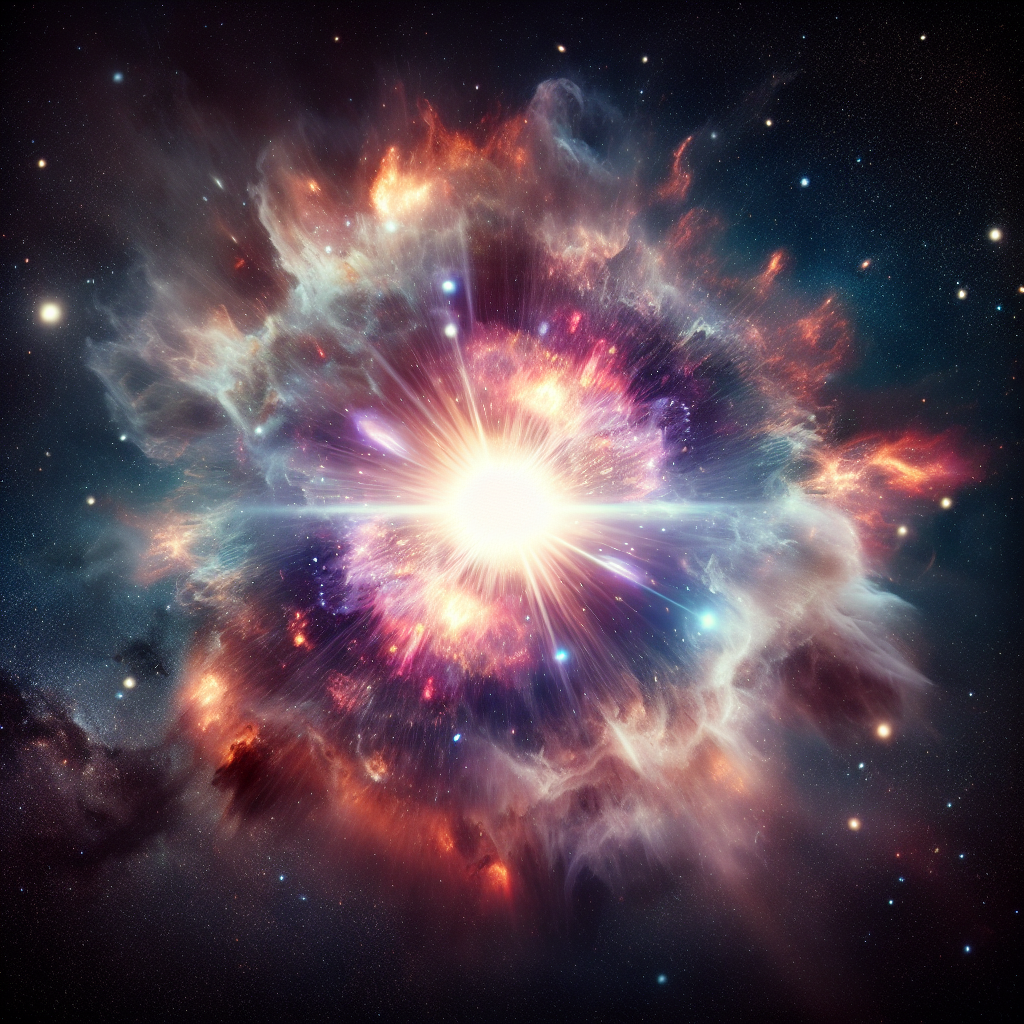
Astronomers have long speculated about the existence of pair-instability supernovas, explosive events so powerful they leave no stellar remnants such as black holes or neutron stars. These rare explosions occur in massive stars, those 140 to 260 times the mass of our sun.
Evidence suggesting these supernovas was identified through extensive analysis of data related to gravitational waves and black holes. Researchers found a 'forbidden range' where black holes were absent, implying these massive stars might be ending their life cycle without leaving behind traces.
This new insight represents a significant advancement in understanding stellar deaths. Despite their rarity, pair-instability supernovas remain a subject of interest as they provide insight into the universe's brightest explosions.
ALSO READ
-
Unveiling Cosmic Mysteries: Superluminous Supernovas, Aggression in Bonobos, and Ancient Roman Medicine
-
Astrophysicists Unveil Superluminous Supernova Mystery
-
Astrophysical Revelations: Unveiling the Secrets of Super-Bright Supernovas
-
Astrophysicists Crack Code Behind Superluminous Supernovas
-
Unveiling the Mystery Behind Superluminous Supernovas








 Google News