



Unveiling the Mystery Behind Superluminous Supernovas
Superluminous supernovas, or ultra-bright cosmic explosions, have puzzled scientists for years. Recent studies of a supernova a billion light-years away reveal that a magnetar, a dense neutron star, amplifies luminosity by interacting with charged particles. This discovery sheds light on why some supernovas are extraordinarily bright.
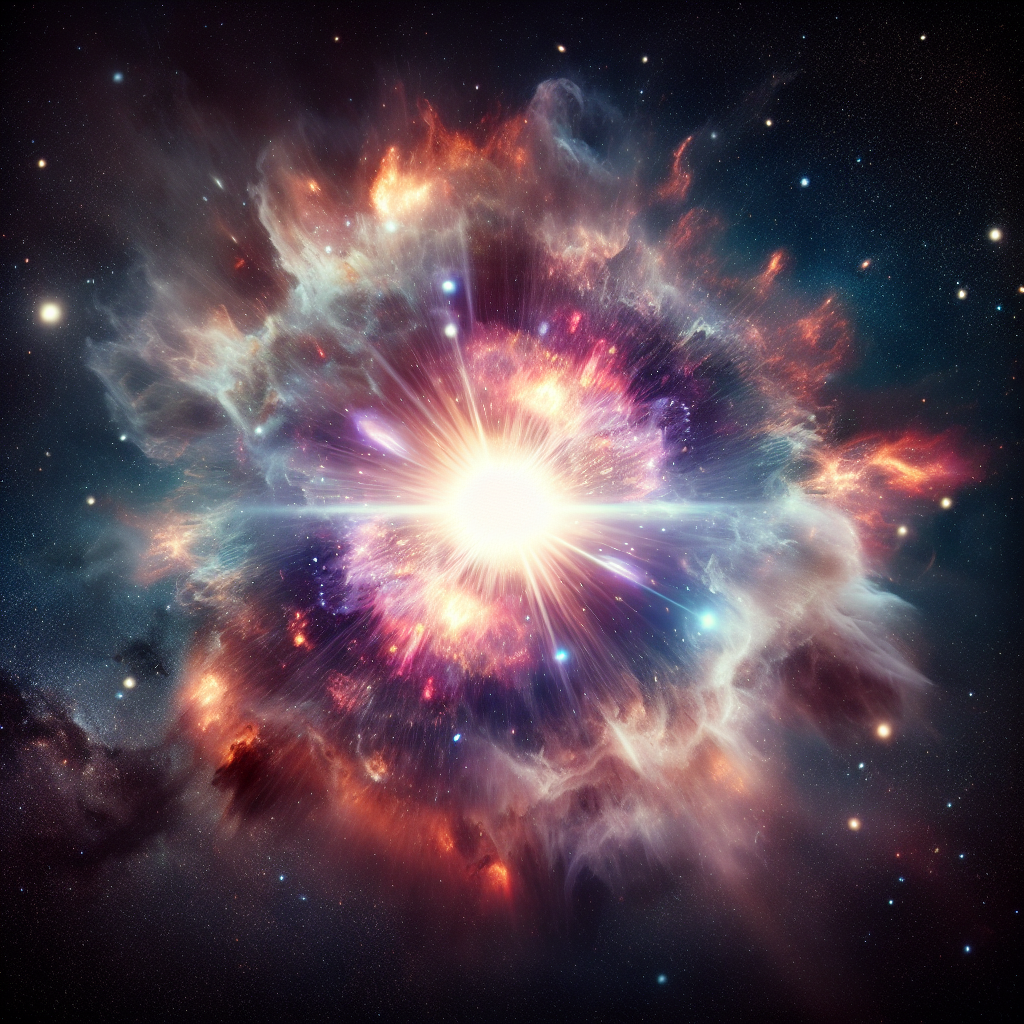
Astronomers have long been intrigued by the sheer brilliance of superluminous supernovas, the ultra-bright cosmic explosions that outshine typical stellar events. Recent research into a supernova located a billion light-years away is shedding light on this astronomical mystery.
The key to this phenomenon lies in the magnetar, a rapidly spinning neutron star left behind after a supernova explosion. Located in the remnants of a massive star's fiery demise, this magnetar's powerful magnetic field boosts the supernova's brightness by dragging charged particles along with it.
This groundbreaking research, relying on observations from Californian and Chilean telescopes, supports earlier hypotheses and reveals the intricate dance between magnetars and superluminous supernovas, offering fresh insights into the dynamics of our universe.








 Google News