



Inflation Fears Loom in Bangladesh Amid Monetary Expansion
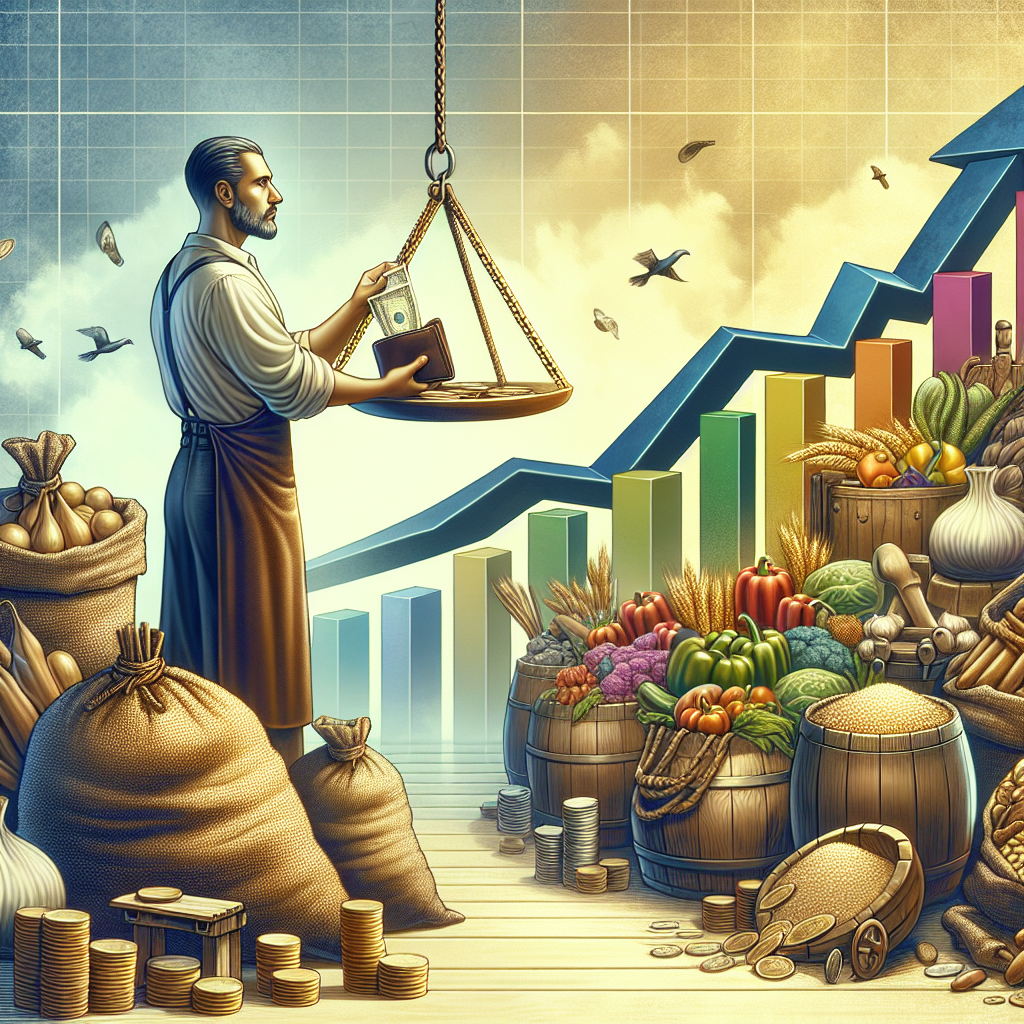
Bangladesh faces inflationary concerns as the government injects 'high-powered money' into the economy. The Policy Research Institute cautions about rising inflation due to money printing, borrowing Taka 200 billion from the Bangladesh Bank. Rising food and energy prices and global economic instabilities add to the challenges.
- Country:
- Bangladesh
The Bangladeshi government’s decision to inject ‘high-powered money’ into the economy has raised concerns about potential inflationary pressure, according to a prominent financial think tank. The Policy Research Institute (PRI) of Bangladesh highlighted risks associated with the government's policy at a business conference.
Chief economist Ashikur Rahman noted that in March, the government borrowed Taka 200 billion (approximately USD 1.63 billion) from Bangladesh Bank, effectively putting more currency into circulation. This decision, he argues, could accelerate inflation, already measured at 8.71% in March, marginally down from February's 9.13%.
Factors like the West Asia crisis, policy uncertainties, and Bangladesh's LDC graduation complexities contribute to financial volatility. Experts like ICCB president Mahbubur Rahman and financial analyst Khondokar Shakhawat Ali emphasize financial discipline, warning against excessive money supply and urging banking sector reforms to avoid exacerbating economic instability.
ALSO READ
-
Carrefour Navigates Inflation Amid Iran Conflict: A Resilient Retail Outlook
-
Bangladesh Faces Measles Crisis Amidst Vaccination Challenges
-
Shanto and Mustafizur Power Bangladesh to ODI Series Victory Over New Zealand
-
Indian Economy Shows Resilience Amid West Asia Conflict
-
Bangladesh Clinches Series with Explosive ODI Victory Over New Zealand








 Google News