



Brace for Impact: El Nino's Resurgence this Year
The World Meteorological Organization forecasts a potential return of El Nino conditions by as early as May, affecting global temperatures and rainfall patterns. Characterized by warming sea surface temperatures in the Pacific, El Nino could disrupt regional climates, increasing rainfall in some areas and causing droughts in others.
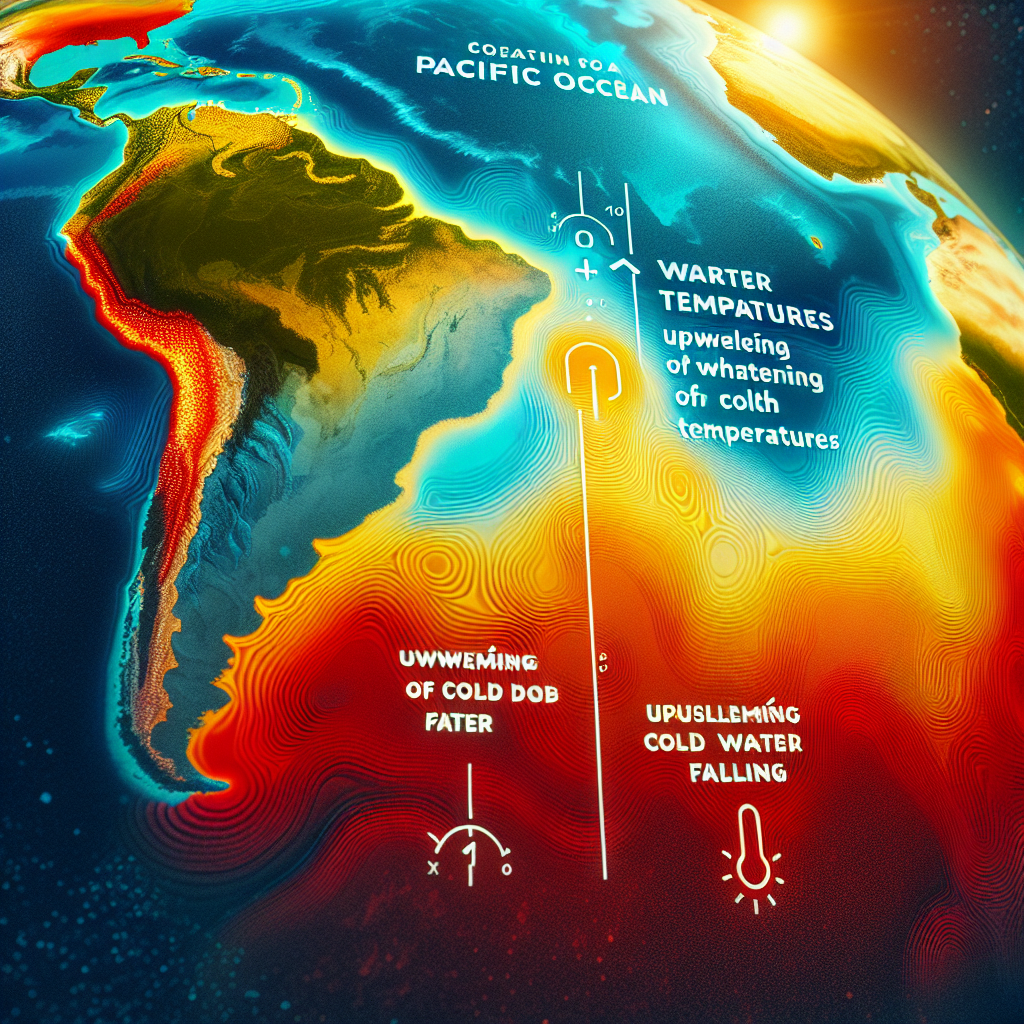
The World Meteorological Organization (WMO) has warned of an impending return of El Nino weather conditions as early as May this year, potentially impacting global temperatures and precipitation patterns.
El Nino, a warming of sea surface temperatures in the central and eastern Pacific, typically lasts nine to twelve months. The WMO highlighted significant changes in the Equatorial Pacific, with current sea-surface temperatures rapidly rising, indicating a strong possibility of El Nino developing between May and July.
Climate models now strongly predict the onset of El Nino, said Wilfran Moufouma Okia, Chief of Climate Prediction at the WMO. However, he noted that spring forecasts are less reliable, with more accurate predictions expected post-April. This weather pattern could increase rainfall in areas like southern South America and central Asia, while potentially causing droughts in regions such as Australia and southern Asia.








 Google News