



IAEA Boosts Caribbean Capacity to Tackle Ocean Acidification Threatening Marine Ecosystems
The training combined laboratory work at UWI Mona with field research at the Discovery Bay Marine Laboratories, ensuring participants gained practical, real-world experience.
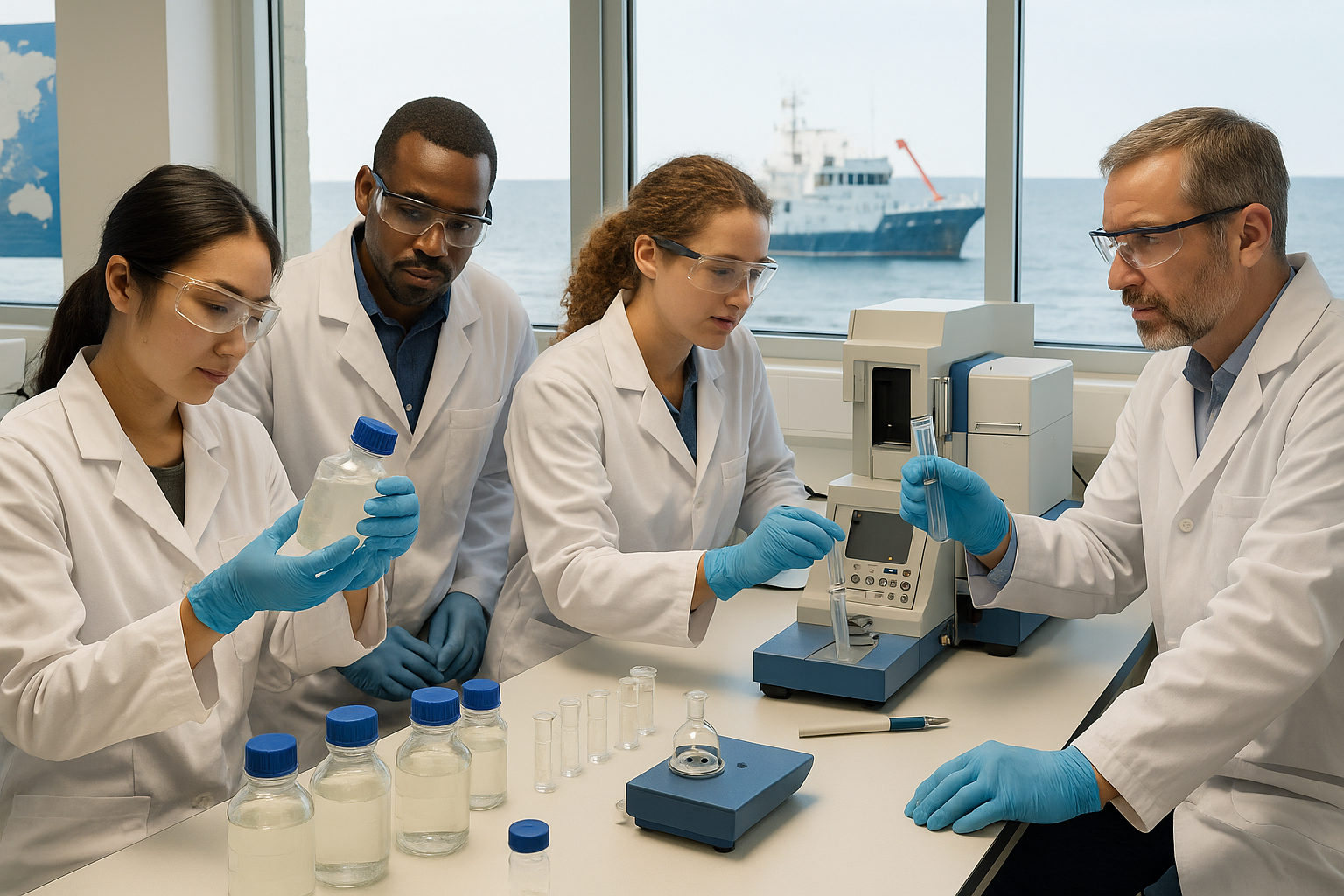
The International Atomic Energy Agency (IAEA) is stepping up efforts to help Caribbean nations confront the growing threat of ocean acidification, equipping regional scientists with advanced tools and knowledge to monitor and respond to one of the most pressing environmental challenges facing small island states.
With marine ecosystems forming the backbone of Caribbean economies, cultures, and food systems, rising ocean acidity—driven by increasing carbon dioxide levels—is emerging as a critical risk to fisheries, coral reefs, and coastal livelihoods.
Ocean at the Heart of Caribbean Survival
Across the Caribbean, oceans are central to daily life. Fisheries and aquaculture provide essential income and food security, while coral reefs support biodiversity, protect coastlines, and drive tourism industries worth billions.
However, ocean acidification—a process that lowers seawater pH—threatens to disrupt these ecosystems by weakening coral structures, altering marine food chains, and reducing the resilience of key species.
Despite its growing impact, the region has historically lacked the technical capacity to monitor and study these changes effectively.
Building Scientific Capacity Through Training
To address this gap, the IAEA's Ocean Acidification International Coordination Centre (OA-ICC) launches a week-long training programme from 16–20 March 2026 in Kingston, Jamaica, hosted by the University of the West Indies (UWI) Mona.
The programme brought together 11 scientists from six Caribbean countries—Antigua and Barbuda, Barbados, Belize, Jamaica, Saint Vincent and the Grenadines, and Trinidad and Tobago—marking a significant step toward regional collaboration.
Participants received hands-on training in:
-
Measuring seawater carbonate chemistry
-
Designing ocean acidification monitoring systems
-
Assessing biological impacts using nuclear and isotopic techniques
The training combined laboratory work at UWI Mona with field research at the Discovery Bay Marine Laboratories, ensuring participants gained practical, real-world experience.
Bridging Science, Policy and Community Action
Beyond technical skills, the programme emphasized the importance of translating science into actionable policy.
Participants worked in teams to design collaborative research strategies aligned with the UN Ocean Decade Programme on Ocean Acidification Research for Sustainability, focusing on stakeholder engagement and evidence-based decision-making.
"This training was an important first step to develop regional capacity," said Debbie-Ann Gordon-Smith of UWI Mona, noting that Caribbean Small Island Developing States are among the most vulnerable to changing ocean conditions.
High-Level Engagement and Regional Dialogue
A key highlight of the initiative was a public forum that brought together scientists, policymakers, and community stakeholders to discuss the implications of ocean acidification for the region.
Jamaica's Special Envoy for Climate Change, Dale Webber, underscored the urgency of such initiatives.
"The Caribbean is defined by the sea. It shapes our climate, our economies, and our way of life," he said, adding that the training helps bridge the gap between science, policy, and community understanding.
The programme also received support from the United Kingdom, reflecting growing international recognition of the need to protect vulnerable marine ecosystems.
From Research to Practical Solutions
Discussions during the training highlighted practical strategies to mitigate and adapt to ocean acidification, including the role of marine protected areas (MPAs) in strengthening ecosystem resilience.
Participants explored how improved monitoring can inform conservation planning, fisheries management, and climate adaptation policies.
"This course gave me the foundations to incorporate ocean acidification monitoring into our marine protected area management plan," said Justin Tapper of the Caribbean Coastal Area Management Foundation.
Strengthening Long-Term Regional Resilience
The initiative forms part of the IAEA's broader efforts to support sustainable ocean management through science and technology, particularly in developing regions.
By building local expertise and fostering regional collaboration, the programme aims to ensure Caribbean countries can:
-
Generate reliable data on ocean conditions
-
Inform national and regional climate policies
-
Protect marine biodiversity and livelihoods
-
Enhance resilience to environmental change
A Critical Window for Action
As climate change accelerates, ocean acidification is expected to intensify, posing increasing risks to ecosystems and economies across the Caribbean.
Experts stress that timely investment in science, monitoring, and policy integration will be essential to safeguard the region's marine resources.
Through initiatives like this training programme, the IAEA is helping to lay the foundation for a more informed, coordinated, and resilient response—ensuring that Caribbean nations are better equipped to protect the oceans that sustain them.
ALSO READ
-
IAEA Launches Global Research Initiative to Combat Rapid Spread of Crop Diseases Threatening Food Security
-
IAEA and Japan Lead High-Level Emergency Preparedness Exercises in Fukushima
-
IAEA Chief Strengthens Nuclear Diplomacy in South Korea, Warns of Rising Global Security Risks
-
Escalation in North Korea's Nuclear Capabilities Alarms IAEA
-
IAEA Opens Global Call for Experts and Students Ahead of 2026 Safeguards Symposium







 Google News