



Supreme Court Grapples with Birthright Citizenship Under Trump's Directive
The U.S. Supreme Court is examining the legality of President Trump's directive to restrict birthright citizenship, a move that challenges a key constitutional provision. The case has sparked debates on immigration, with critics accusing Trump of discrimination. The ruling could impact thousands of newborns' citizenship rights.
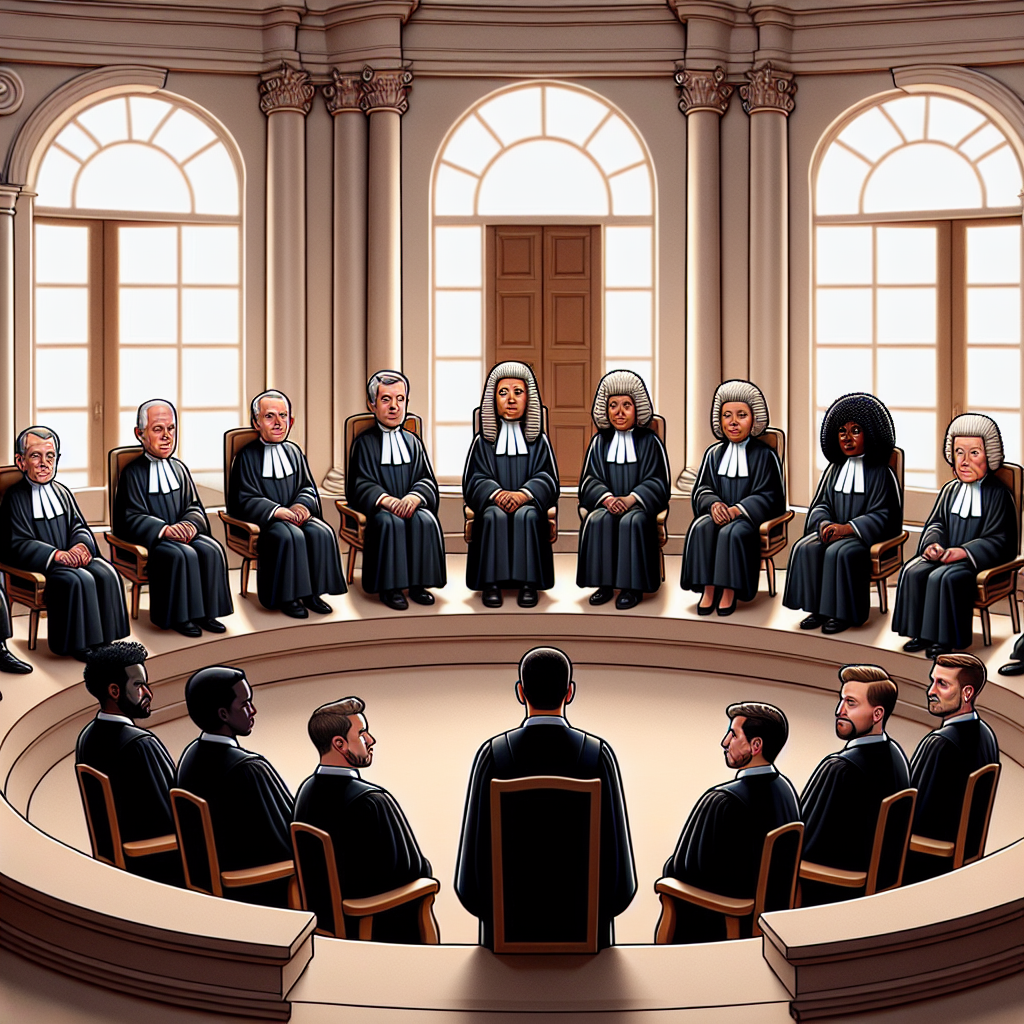
On Wednesday, the U.S. Supreme Court will deliberate the legal validity of President Donald Trump's effort to limit birthright citizenship, sparking a debate with profound implications for immigration policy and constitutional interpretation in the United States.
The court will consider the Trump administration's appeal against a lower court's decision that invalidated his executive order. This order sought to deny U.S. citizenship to children born in the country if neither parent holds U.S. citizenship or permanent residency. Trump, who plans to attend the proceedings, could become the first incumbent president to witness Supreme Court arguments firsthand.
The contentious directive challenges the traditional application of the 14th Amendment's Citizenship Clause, which has historically ensured citizenship for those born on American soil. With potential repercussions for up to 250,000 babies annually, the court's decision, due by June, is anticipated with significant interest and concern from various stakeholders.
ALSO READ
-
Supreme Court Debates Trump's Birthright Citizenship Directive
-
Supreme Showdown: Trump's Birthright Citizenship Directive Under Scrutiny
-
Trump's Unprecedented Visit to Supreme Court on Birthright Citizenship
-
Supreme Court Faces Historic Showdown Over Trump's Birthright Citizenship Order
-
Supreme Court Reviews Retrospective Environmental Clearances








 Google News