



“A Generation Scarred”: UN Women Details Devastating Toll of Gaza War on Women and Girls
The report highlights that nearly 11,000 women and girls have sustained injuries severe enough to result in permanent disabilities.
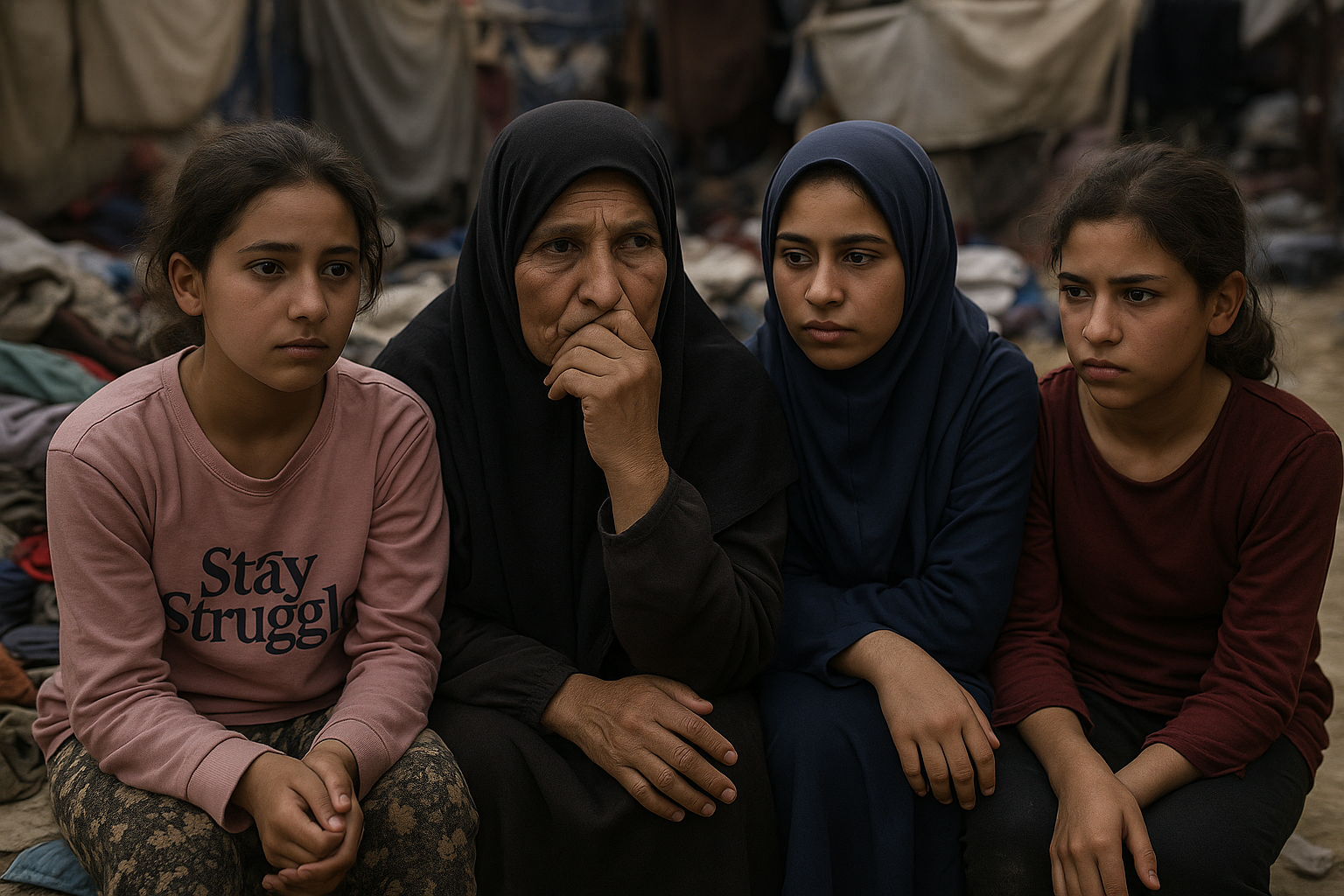
The war in Gaza has left a profound and lasting humanitarian catastrophe, with women and girls bearing a disproportionate share of the suffering, according to a stark new analysis by UN Women. The report paints a harrowing picture of widespread loss, displacement, and long-term trauma, even months after a ceasefire was declared.
Between October 2023 and December 2025, at least 38,000 women and girls were killed—including 22,000 women and 16,000 girls—representing one of the highest gendered death tolls recorded in recent conflicts in the region. On average, at least 47 women and girls lost their lives every day during the conflict, underscoring the intensity and scale of violence.
Behind these figures are deeply personal tragedies. Thirteen-year-old Mona, the sole survivor of her family after a double airstrike, recounted how she lost her mother and siblings and suffered life-altering injuries, including the amputation of her leg. Her story reflects the lived reality of thousands of children caught in the crossfire—traumatized, injured, and left to rebuild their lives under extreme hardship.
Lifelong Injuries, Collapsing Healthcare
The report highlights that nearly 11,000 women and girls have sustained injuries severe enough to result in permanent disabilities. At the same time, Gaza's healthcare system has been critically damaged, leaving survivors with limited or no access to essential medical care, rehabilitation, or pain management.
For many, the suffering continues long after initial treatment. Mona described enduring a painful evacuation journey without access to medication, unable to sit or lie down due to her injuries—a stark illustration of the ongoing medical crisis facing thousands.
Mass Displacement and Hunger
The war has also triggered one of the largest displacement crises in Gaza's history. Nearly one million women and girls have been displaced, many forced to flee their homes multiple times—on average four times—amid ongoing insecurity and destruction.
Living conditions remain dire. Access to food and clean water is severely restricted, with nearly 790,000 women and girls facing crisis or catastrophic levels of food insecurity. These conditions have compounded existing vulnerabilities, pushing families to the brink of survival.
Families Reshaped, Women Bearing the Burden
The conflict has fundamentally altered Gaza's social structure. With the loss of husbands, fathers, and other family members, tens of thousands of households are now headed by women. These women are navigating immense challenges—providing income, caring for children, and managing daily survival in an environment marked by scarcity and insecurity.
Ceasefire Fails to Halt Violence
Despite a ceasefire announced in October 2025, violence has not fully subsided. Reports indicate that more than 730 people have been killed and over 2,000 injured in the six months following the ceasefire, with women and girls among the victims. The lack of detailed demographic data further obscures the full extent of ongoing harm.
Calls for Accountability and Urgent Action
UN Women is calling for the full implementation of the ceasefire and strict adherence to international law, emphasizing the need for accountability for violations. The agency has urged the international community to ensure that humanitarian assistance reaches those in need without obstruction and at sufficient scale.
Crucially, the report stresses that women and girls must be placed at the centre of recovery and reconstruction efforts. Their participation in decision-making, peacebuilding, and rebuilding processes is essential to ensuring sustainable and inclusive recovery.
Continuing Support on the Ground
Despite immense challenges, UN Women continues to operate in Gaza, working closely with women-led and women's rights organizations. Through funding, coordination, and technical assistance, the agency is helping deliver lifesaving support and amplifying the role of women in shaping the territory's future.
As Gaza navigates a fragile post-conflict phase, the report serves as a sobering reminder: the humanitarian crisis is far from over, and without urgent, targeted action, the long-term consequences for women and girls could define an entire generation.
ALSO READ
-
UN Experts Demand Global Accountability Over ‘Epstein Files’, Warn of Systemic Failures in Protecting Women and Girls
-
Sexual Violence Soars in Sudan War: UN Women Warns of Surge in Attacks Against Women
-
Rising Death Toll Among Women and Girls in Lebanon Sparks Urgent Calls for Civilian Protection
-
UN Women Warns of Escalating Toll on Women and Girls Amid Middle East Conflict
-
Empowering Odisha's Future: Government Initiatives for Women and Girls








 Google News