



Ashbourne Fast-Track Approval Signals New Era of Integrated Housing and Clean Energy Development
Announced by Infrastructure Minister Chris Bishop, the Ashbourne project becomes the 19th initiative approved through the Fast-track pathway and the seventh focused on housing delivery.
- Country:
- India
The fast-track approval of the Ashbourne project in Waikato marks a pivotal moment in New Zealand's approach to tackling housing shortages while accelerating the transition to renewable energy. With consent granted under the Government's streamlined Fast-track process, the large-scale development is set to deliver 518 new homes alongside significant solar energy infrastructure—positioning it as a model for future, sustainability-driven urban expansion.
Announced by Infrastructure Minister Chris Bishop, the Ashbourne project becomes the 19th initiative approved through the Fast-track pathway and the seventh focused on housing delivery. The project reflects a growing policy shift toward integrated developments that combine residential growth with energy resilience, infrastructure readiness, and environmental safeguards.
At its core, the Ashbourne development will create a fully planned community featuring a neighbourhood centre, expansive green spaces, and shared walking and cycling networks designed to promote low-carbon lifestyles. The inclusion of modern water servicing infrastructure—including stormwater and wastewater systems—ensures the development is future-ready and aligned with long-term urban resilience goals.
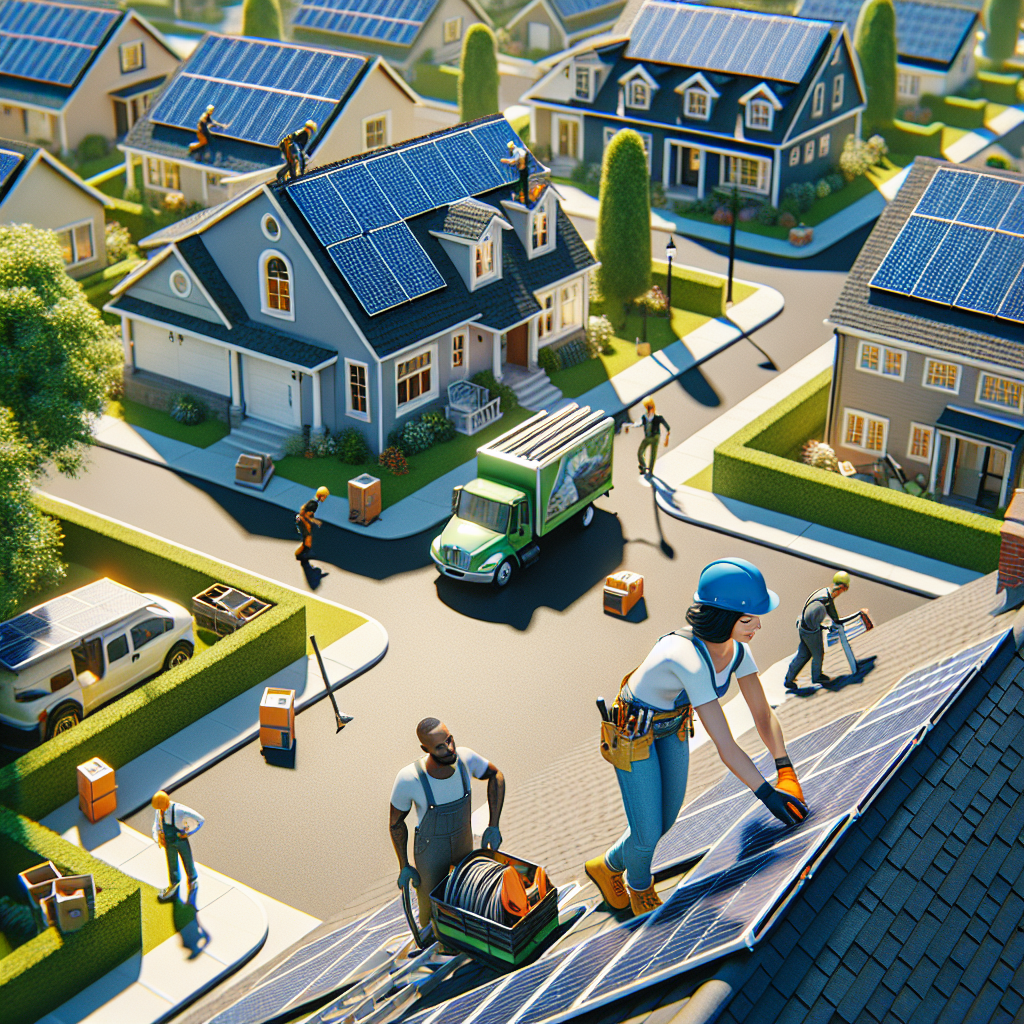
A defining feature of the project is its renewable energy component. The consent includes two solar farms comprising approximately 50,000 panels, with an estimated generation capacity of up to 52,000 megawatt-hours annually. This level of output is sufficient to power around 7,000 homes, significantly exceeding the needs of the development itself and contributing to the wider regional grid. By embedding renewable generation within a residential project, Ashbourne represents a forward-thinking approach that reduces reliance on traditional energy sources while enhancing energy security.
The project's rapid approval timeline—approximately six months from the appointment of the expert panel—demonstrates the effectiveness of the Fast-track process in unlocking large-scale infrastructure and housing developments. Originally submitted by Matamata Development Limited in February 2025, the application moved swiftly through regulatory stages, reflecting both urgency and policy alignment.
Waikato's selection as the site for such a development is strategic. The region has experienced population growth above the national average in recent years, intensifying demand for housing. Over the past decade, house prices in Waikato have nearly doubled, while rental costs have surged by around 60 percent—placing increasing pressure on affordability. The addition of more than 500 homes is expected to provide meaningful relief in a constrained housing market, while also supporting economic growth and workforce stability.
Importantly, the approval process also underscores a balanced approach to development. The independent panel declined certain components of the proposal, including a retirement village and parts of the residential layout, due to their location on highly productive agricultural land. This decision reflects a broader commitment to preserving critical land resources while still enabling growth in appropriate areas.
Developers will be required to meet strict conditions, including the provision of essential infrastructure and adherence to environmental management standards. These safeguards aim to ensure that rapid development does not come at the expense of long-term sustainability or community wellbeing.
Globally, the Ashbourne project aligns with a wider trend toward combining infrastructure investment with innovation and energy resilience. Large-scale financing initiatives—such as the European Investment Bank's recent €2.4 billion commitment to energy security and advanced technologies—highlight how integrated investment in housing, infrastructure, and clean energy is becoming central to economic strategy in an era of geopolitical and climate challenges .
As New Zealand continues to confront housing shortages and energy transition pressures, the Ashbourne project stands out as a blueprint for the future—where homes are not just built faster, but smarter, greener, and more resilient. With construction expected to follow swiftly, the development is likely to play a transformative role in shaping Waikato's urban and energy landscape for decades to come.








 Google News