



Rafah Crossing Reopens Amidst Israeli-Palestinian Ceasefire Challenges
The Rafah crossing between Gaza and Egypt has reopened as part of a ceasefire agreement, allowing limited movement for Palestinians. Although the reopening is a critical step towards easing tensions, Israeli security checks still pose challenges. Despite the progress, violence and political complexities continue to disrupt peace efforts.
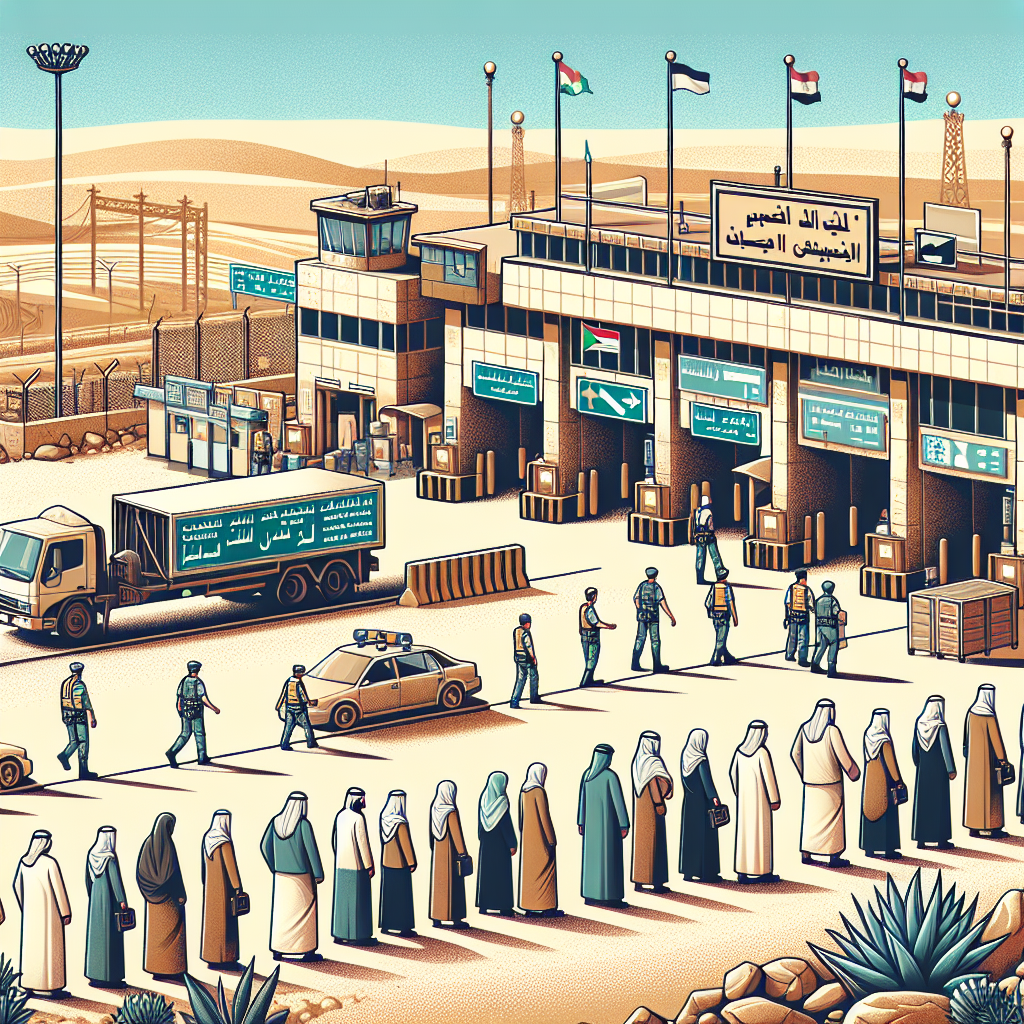
Dozens of Palestinians anticipated crossing in and out of Gaza after Israel reopened the Rafah pedestrian crossing to Egypt under a critical ceasefire agreement.
The reopening represents a significant step in the truce plan, negotiated by the United States, that seeks to end the ongoing conflict. However, stringent security checks and the Israeli military's position cast doubt on the ceasefire's success. Five patients received clearance to leave for medical treatment in Egypt, underscoring the crossing's vital humanitarian role.
Despite a temporary truce, violent incidents persist, and the political environment remains volatile. Meanwhile, foreign journalists remain barred from Gaza, sparking concerns over limited media access. As plans for Gaza's future governance unfold, the prospect of lasting peace faces major hurdles.
ALSO READ
-
Rafah Crossing: A Fragile Lifeline in a Humanitarian Crisis
-
Rafah Crossing Reopens: Harsh Reality for Palestinians Returning to Gaza
-
Rafah Crossing Struggles Amid Ceasefire Challenges
-
Echoes of Conflict: The Harrowing Crossing into Gaza
-
First Medical Evacuation in Years: Gaza Patients Cross Rafah for Treatment








 Google News