



Rafah Crossing: A Fragile Lifeline in a Humanitarian Crisis
The reopening of the Rafah crossing between Gaza and Egypt has been fraught with delays, interrogations, and limited crossings. With significant medical and humanitarian needs in Gaza, hopes for increased evacuations and aid delivery remain uncertain amid bureaucratic hurdles and security concerns.
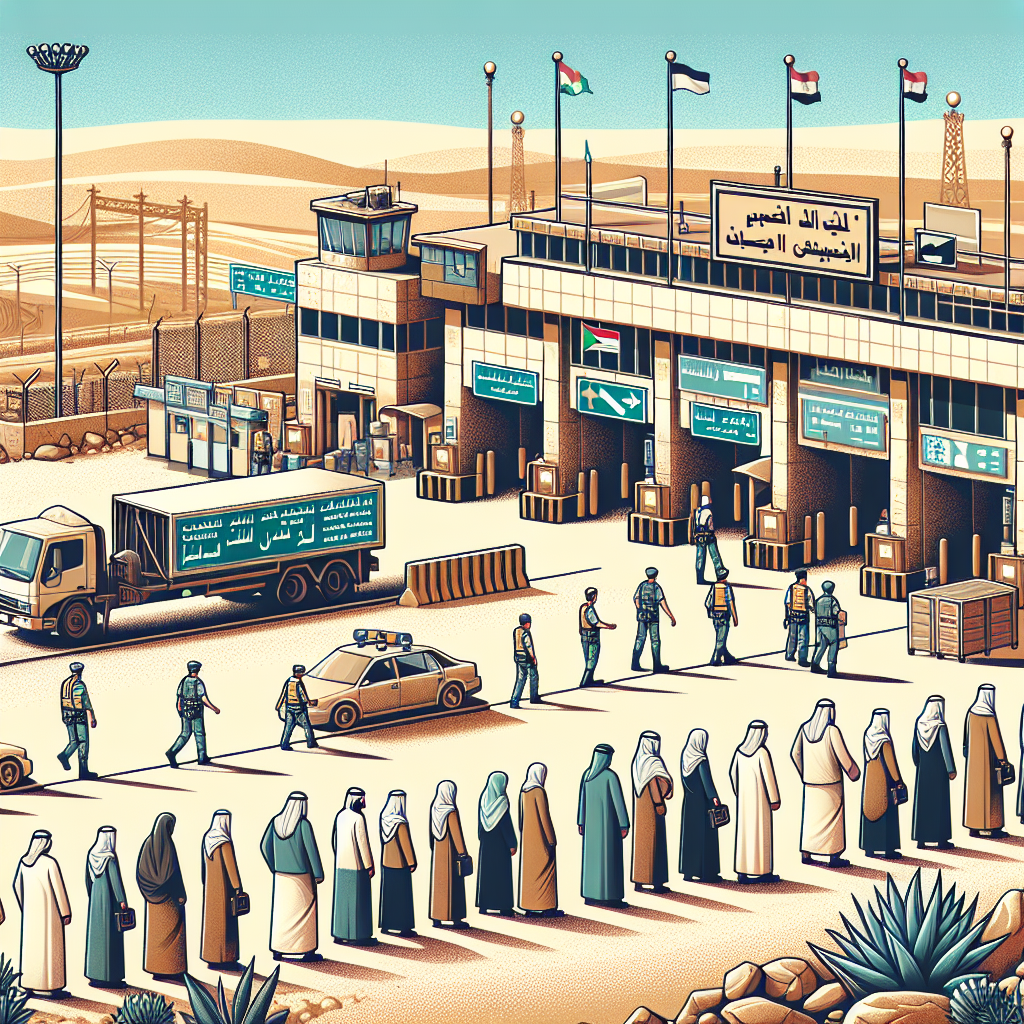
The Rafah border crossing between Gaza and Egypt witnessed hopeful yet challenging scenes as Palestinians from both sides aimed to traverse it amid delays and interrogations. Reopened after ongoing conflict-induced closures, the passage seeks to address Gaza’s complex humanitarian dynamics.
In need of urgent medical care, Palestinians gathered at the border hoping to get treatment unavailable in Gaza. Despite the crossing’s potential to relieve the burden from Gaza’s medical infrastructure, the pace of evacuations remains slow, termed as 'crisis management, not a solution' by health officials. An unsteady ceasefire adds to operational constraints.
With security and logistical restrictions in place, either side of Rafah sees only minimal movement. Authorities scramble to ease the backlog of those needing aid and medical treatment. Local officials and international bodies call for a fully functioning humanitarian corridor while 20,000 people wait for vital care.
ALSO READ
-
Rafah Crossing Reopens: Harsh Reality for Palestinians Returning to Gaza
-
Rafah Crossing Struggles Amid Ceasefire Challenges
-
Echoes of Conflict: The Harrowing Crossing into Gaza
-
First Medical Evacuation in Years: Gaza Patients Cross Rafah for Treatment
-
First Medical Evacuations Through Rafah Crossing Amid Conflict








 Google News