



Global Oil Markets in Turmoil: Navigating the Iran War's Impact
The Iran war has created a significant divide in global oil markets, with physical crude prices skyrocketing while futures remain stable. This disparity complicates decision-making for consumers, companies, and policymakers, potentially leaving a lasting impact on the global economy due to supply shortages and economic unpredictability.
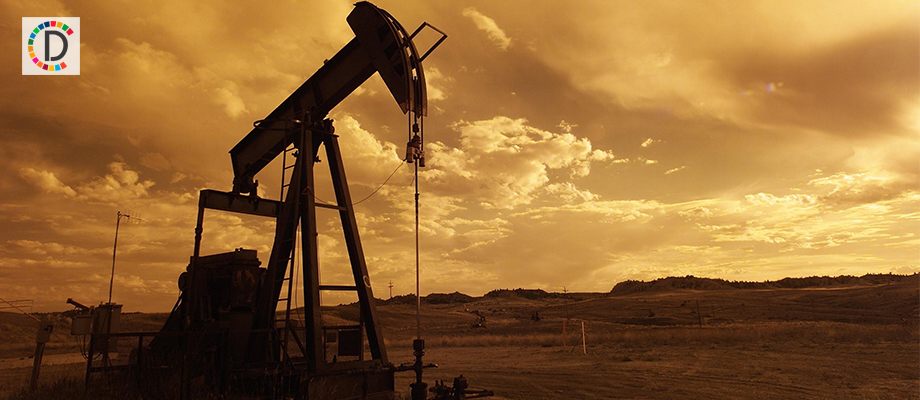
The Iran war has plunged global oil markets into chaos, with physical crude prices reaching record highs while futures benchmarks remain relatively calm. This disconnect is challenging for consumers, companies, and policymakers trying to navigate an unpredictable economic landscape.
Following the U.S.-Israeli strikes on February 28, Iran's closure of the Strait of Hormuz halted nearly a fifth of global oil flows. This has created acute supply shortages in Asia and Europe, pushing Gulf producers to cut production by around 9 million barrels per day. Brent crude futures surged 64% in March, reaching a peak of $118 a barrel before falling to $95 after a temporary ceasefire on April 7.
The disparity between physical oil and futures markets continues to puzzle traders and analysts, with the futures market betting on a quick resolution to the crisis. However, Middle Eastern oil production may take years to recover. As the situation unfolds, economic forecasts are shifting, impacting global growth predictions and refining sector operations.
ALSO READ
-
The Path to Peace: Is Iran War Nearing an End?
-
Resilient Growth: Britain's GDP Surpasses Forecasts Amid Iran War Concerns
-
Tesco Assures Shoppers: No Food Shortages Amid Iran War Concerns
-
Tesco CEO Addresses Inflation Concerns Amid Iran War Impact
-
Turbulence in Global Oil Markets: Navigating the Unseen Crisis








 Google News