



Turbulence in Global Oil Markets: Navigating the Unseen Crisis
The Iran war has disrupted global oil markets, causing a disconnect between physical crude prices and futures. This creates challenges for consumers and policymakers, impacting global economic stability. The ongoing conflict strains oil supplies, affecting prices, refining operations, and economic forecasts, with potential long-term repercussions on the global economy.
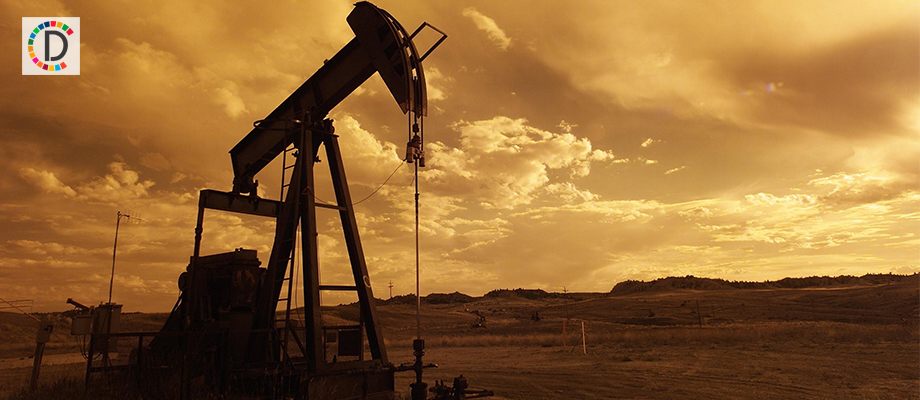
The Iran war has created a significant rift in global oil markets, with physical crude reaching record highs as futures benchmarks portray a sense of calm. This disparity challenges consumers and policymakers navigating without a reliable guide, potentially impacting the global economy long-term.
Following U.S.-Israeli strikes and the closure of the Strait of Hormuz by Iran on February 28, global oil supplies have been severely disrupted. With nearly a fifth of oil flows cut off, supply shortages are prevalent in Asia and Europe, prompting drastic responses from Gulf producers and surging Brent crude futures by 64% in March.
The reliance on futures markets' optimism conflicts with on-the-ground realities, as the Middle East's oil production and exports face a prolonged recovery. A widening misalignment between futures and physical crude prices augurs broad economic implications. This underscores not just the loss of oil but a critical lack of clarity in global markets.
ALSO READ
-
Tesco Assures Shoppers: No Food Shortages Amid Iran War Concerns
-
Tesco CEO Addresses Inflation Concerns Amid Iran War Impact
-
China's Economy Surges with 5% Growth Amid Iran War Impact
-
Iran War's Looming Economic Shockwave
-
After criticising pope, Trump slams Italy's Meloni over lack of support for Iran war








 Google News