



Global Food Prices Soar Amid Middle East Tensions
World food prices have surged to their highest level since last September, driven by rising energy costs due to ongoing Middle East conflicts. The increase in input costs may lead farmers to reduce planting, impacting future food supply. Meanwhile, global cereal output is projected to rise.
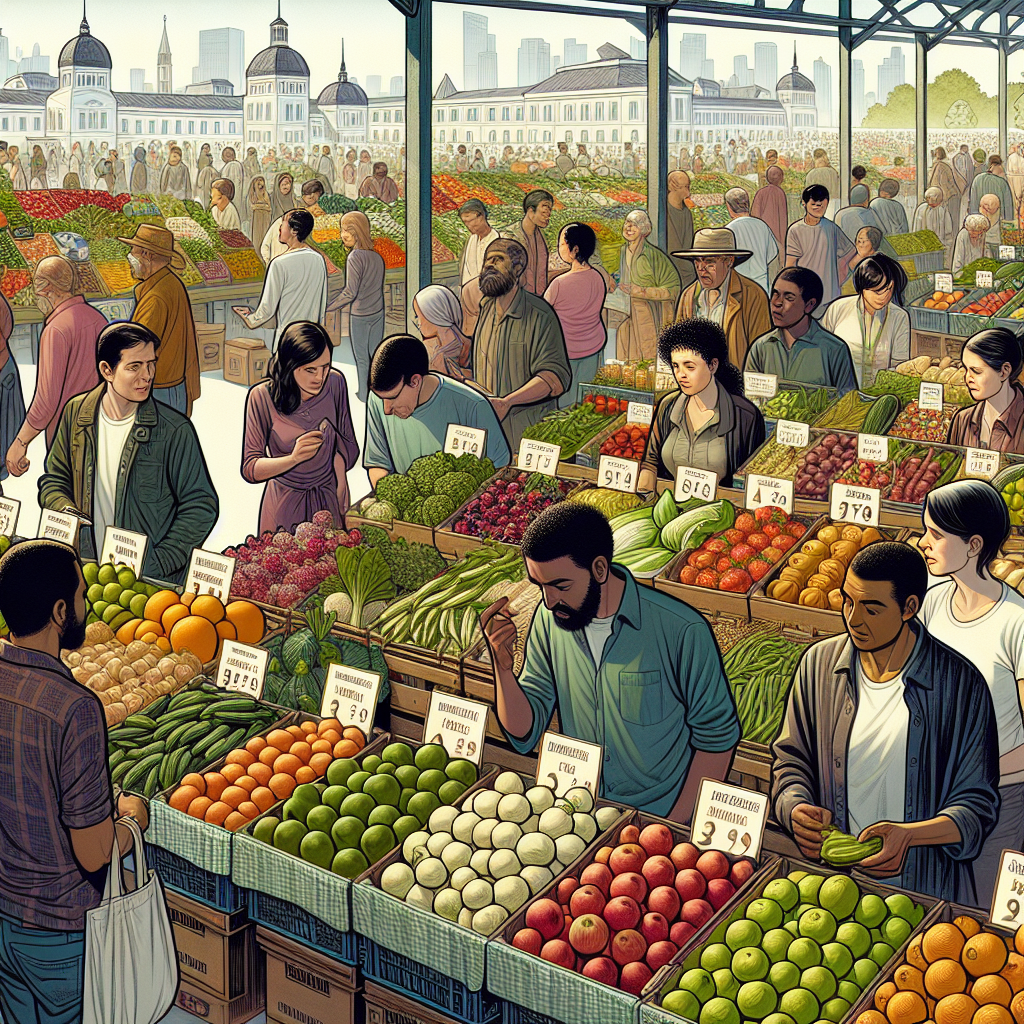
World food prices are climbing once again, reaching their highest levels since September last year, according to a report from the United Nations Food and Agriculture Organization (FAO). This trend could persist, driven largely by escalating energy prices linked to ongoing Middle East conflicts.
The FAO’s Chief Economist, Maximo Torero, highlighted that the price hikes have been modest and driven mostly by increased oil prices, with ample global cereal supplies softening the blow. However, if the conflict persists beyond 40 days, prolonged high input costs could push farmers to adjust their planting strategies, potentially causing a shift to less fertilizer-intensive crops, which could impact future production and food availability.
Key indicators, such as the FAO Food Price Index, showed a 2.4% increase from February. Individual commodities experienced varied shifts: wheat prices rose 4.3% due to lower planting forecasts, while rice prices fell. Meanwhile, sugar and vegetable oils surged, fueled by higher energy and biofuel demand expectations.








 Google News