



Caribbean Must Scale Up Investment: IDB-OECD Report Calls for Bold Action on Resilience
The 2026 report builds on previous editions, offering a more urgent and detailed roadmap for navigating the complex challenges facing the Caribbean.
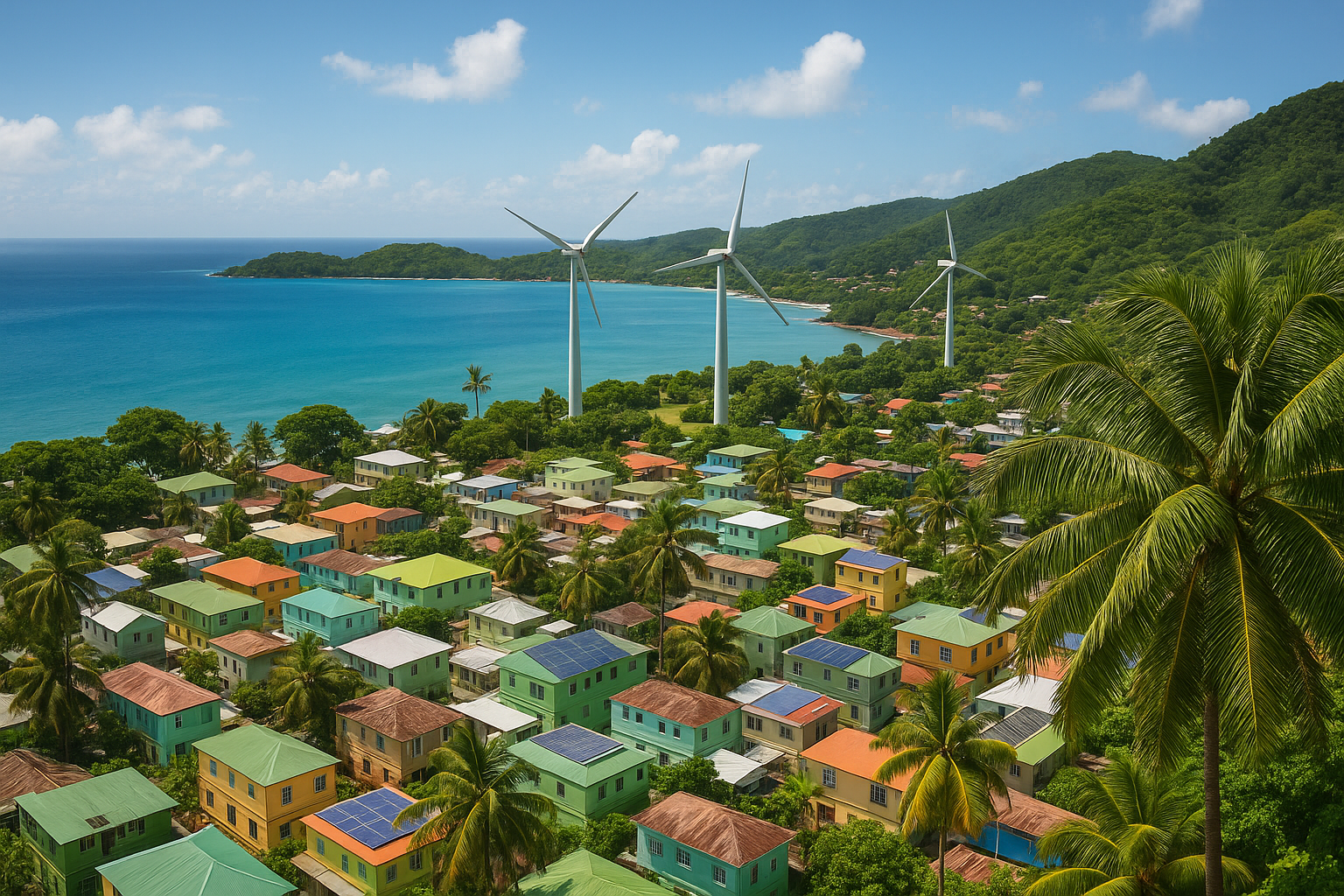
Caribbean nations must significantly scale up investment and rethink development strategies to build resilience, close persistent infrastructure gaps, and unlock sustainable economic growth, according to a major new report by the Inter-American Development Bank (IDB) Group and the Organisation for Economic Co-operation and Development (OECD).
The findings, outlined in the Caribbean Development Dynamics Report 2026: Investing in Sustainable and Resilient Development, were at the centre of high-level discussions during the ONE Caribbean Ministerial Dialogue held on April 21 in Port of Spain, Trinidad and Tobago. The gathering brought together regional leaders, economists, and policymakers to chart a coordinated path forward for the region.
A Region at a Critical Crossroads
The report highlights a stark reality: Caribbean economies remain highly vulnerable to external shocks—from climate-related disasters to global economic volatility—while facing chronic underinvestment in infrastructure and limited fiscal space.
Despite these challenges, the region also holds significant untapped potential in sectors such as tourism, renewable energy, and the blue economy. Unlocking this potential, however, will require coordinated policy action, innovative financing, and stronger regional collaboration.
Three Strategic Priorities for Transformational Growth
The report identifies three key areas where urgent action is needed to drive long-term resilience and development.
1. Deepening Regional Integration to Unlock Scale
One of the most critical recommendations is to strengthen regional integration and international partnerships. Caribbean economies, many of which are small and fragmented, often struggle to achieve the scale needed for large infrastructure and development projects.
By pooling resources and aligning priorities, countries can:
-
Reduce costs through shared infrastructure and services
-
Strengthen institutional capacity
-
Attract larger volumes of public and private investment
Initiatives such as the IDB's ONE Caribbean programme are highlighted as practical platforms for collaboration—helping to build stronger project pipelines and coordinate cross-border investments.
Experts note that deeper integration could transform the region's economic landscape, enabling it to compete more effectively in global markets while enhancing resilience.
2. Embedding Resilience into Every Investment
With the Caribbean among the world's most climate-vulnerable regions, the report stresses that resilience must be at the core of all development planning.
This includes prioritising:
-
Climate-resilient infrastructure
-
Early warning systems for natural disasters
-
Sustainable urban and coastal development
-
Public-private partnerships that integrate risk management
Investments aligned with the region's natural and economic strengths—such as marine resources (blue economy), clean energy, tourism, and creative industries—are seen as key drivers of sustainable growth.
By building resilience upfront, countries can reduce long-term fiscal risks and avoid costly recovery efforts after disasters.
3. Expanding and Diversifying Financing Options
Perhaps the most pressing challenge is financing. The scale of investment required far exceeds current public resources, making diversification of funding sources essential.
The report calls for a broader mix of financing tools, including:
-
Greater domestic resource mobilisation
-
Increased private sector participation
-
Enhanced access to international capital markets
It also highlights the growing importance of innovative financial instruments, such as:
-
Green, social, sustainability, and blue bonds
-
Debt-for-nature swaps
-
Resilient debt clauses that provide relief after climate shocks
These mechanisms can help Caribbean countries access funding while aligning with global sustainability goals.
From Dialogue to Action
The ONE Caribbean Ministerial Dialogue served as a platform not just for discussion, but for generating actionable recommendations. Participants emphasised the need for stronger coordination between governments, development institutions, and private investors to turn policy frameworks into tangible outcomes.
There was broad consensus that without decisive action, the region risks falling further behind in addressing infrastructure deficits and climate vulnerabilities. However, with the right investments and partnerships, the Caribbean could position itself as a model for resilient and sustainable development.
A Blueprint for the Future
The 2026 report builds on previous editions, offering a more urgent and detailed roadmap for navigating the complex challenges facing the Caribbean.
At its core, the message is clear: investment is not just about growth—it is about survival, resilience, and long-term prosperity.
By deepening cooperation, embedding resilience, and unlocking new financing pathways, Caribbean nations have an opportunity to transform structural vulnerabilities into strengths—creating more inclusive, sustainable, and shock-resistant economies.








 Google News