



Artemis Ascendant: America's Lunar Leap
The Artemis program is NASA's initiative to return astronauts to the moon, aiming to establish a long-term presence. Launched in 2017, the project has faced delays but saw the successful uncrewed Artemis I mission in 2022. It plans a lunar surface return later this decade amidst global competition.
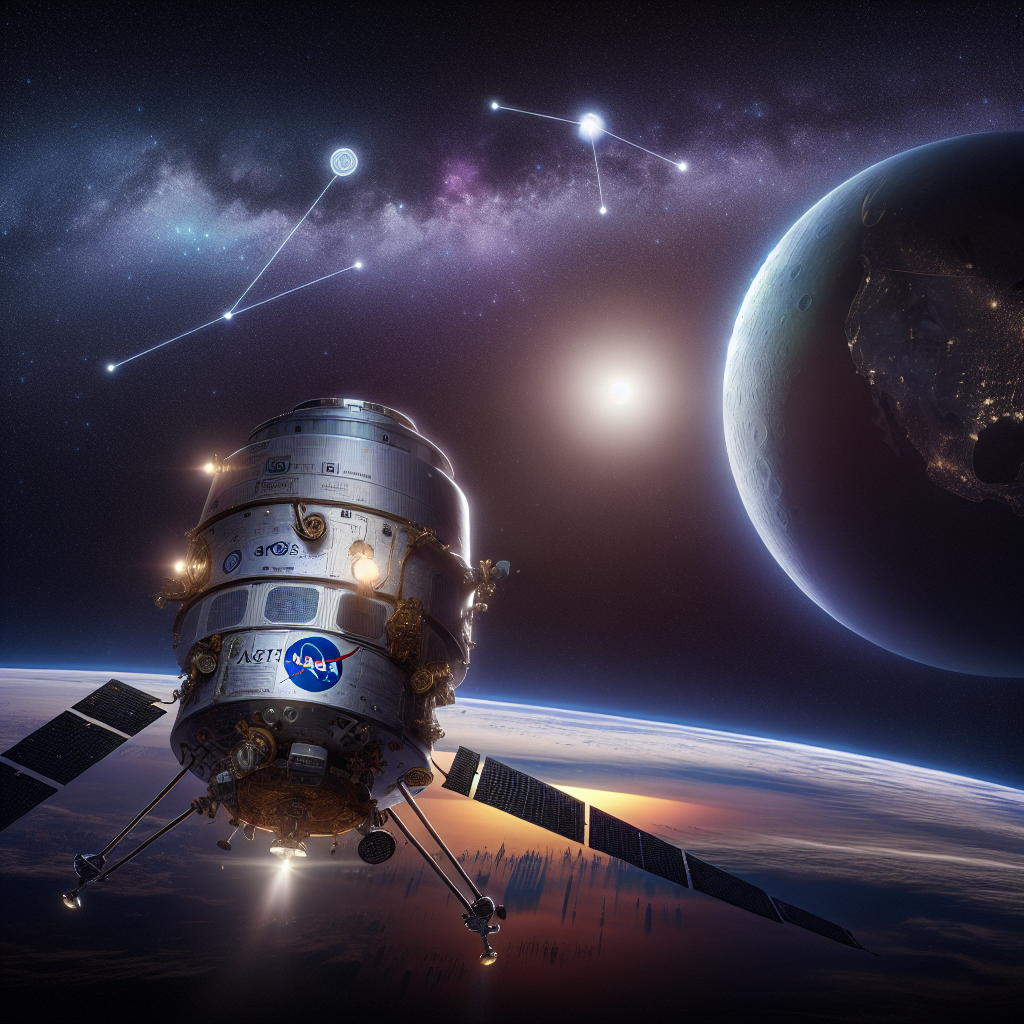
The Artemis program marks a bold U.S. endeavor to return astronauts to the moon for the first time since the Apollo era, aligning with Washington's goal to maintain space leadership among growing global competition, particularly from China.
Initiated during President Trump's term, Artemis shifts focus back on lunar exploration, relying on the Space Launch System rocket and Orion crew capsule. Despite challenges, its latest milestone, Artemis I, launched uncrewed around the moon in 2022, paving the way for crewed missions.
As timelines recalibrate under President Biden, NASA eyes 2027 for a crewed lunar landing, underscoring private sector collaboration with firms like SpaceX and Blue Origin crucial to returning humans to lunar soil and exploring further, like Mars.
ALSO READ
-
NASA launches four astronauts to the moon on humanity's first lunar voyage in 53 years, reports AP.
-
Lunar Ambition: NASA Launches Artemis II Mission
-
Artemis II Mission: A Crucial Test for NASA's SLS in the Evolving Space Race
-
Artemis II: NASA's Historic Journey to the Moon
-
Artemis II: NASA's Bold Return to the Moon's Orbit








 Google News