



COP30's Shift to Implementation: A New Era in Climate Multilateralism
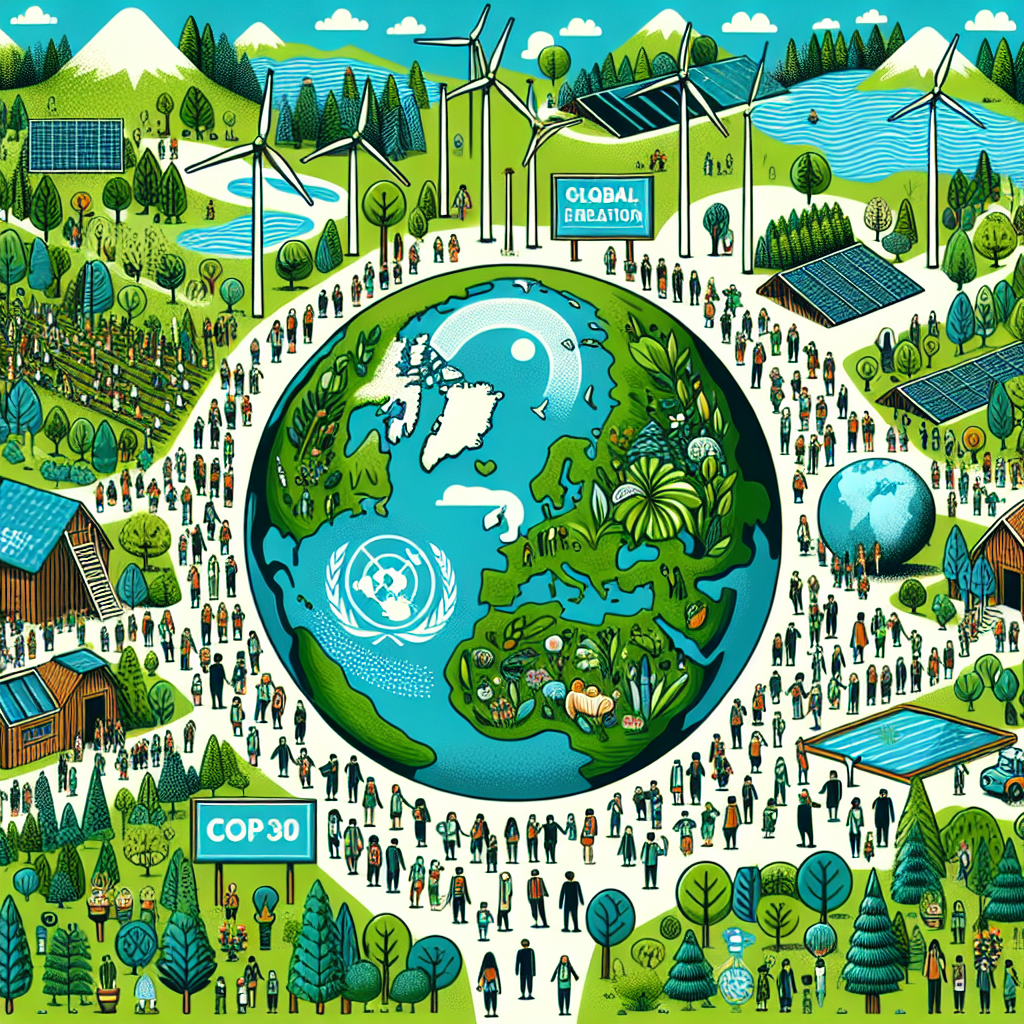
COP30 saw a shift from negotiations to implementation on climate policies. The event, led by Túlio Andrade, focused on voluntary processes for fossil fuel transition and deforestation. Despite lacking consensus on a roadmap, the conference illustrates expanding climate discussions beyond diplomacy to involve financial and societal sectors.
- Country:
- India
At the recent COP30 climate conference, leaders shifted focus from negotiation to implementation, marking a new era in climate multilateralism. Led by Túlio Andrade, the event emphasized voluntary approaches for transitioning away from fossil fuels and ending deforestation, despite no consensus on concrete plans.
The conference, held in Brazil, concluded with a broad agreement to increase funding for climate adaptation, although it lacked specific steps for phasing out fossil fuels. Andrade highlighted the importance of all countries submitting national plans reflecting individual economic and sectoral realities, a task made vital by the inevitability of fossil fuel transition.
Alex Rafalowicz of the Fossil Fuel Non-Proliferation Treaty initiative noted that effective multilateralism is crucial for equitable climate action, a sentiment echoed as Colombia and the Netherlands prepare to host a conference on just transition in Santa Marta in 2026. This event underscores the role of international collaboration in achieving global climate goals.








 Google News