



UN Expert Raises Alarm Over Rising Threats to Human Rights Defenders in Mexico
Experts have long identified Chiapas as a hotspot for social conflict, where disputes over land, natural resources, and indigenous rights often place activists in direct confrontation with powerful actors.
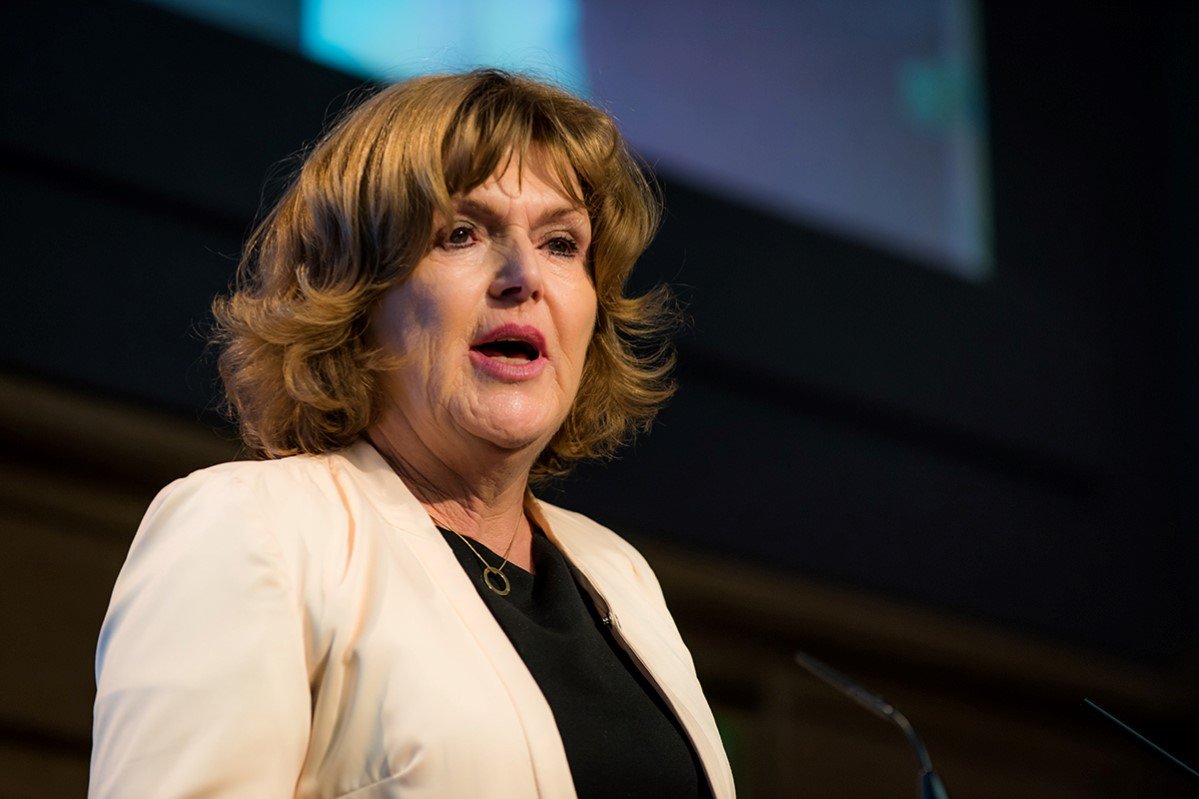
A United Nations human rights expert has issued a stark warning over the increasingly complex and dangerous environment faced by human rights defenders in Mexico, citing persistent attacks, structural challenges, and deep-rooted insecurity—particularly in conflict-affected regions such as Chiapas.
Mary Lawlor, the UN Special Rapporteur on the situation of human rights defenders, said that despite some government efforts to address the issue, defenders across the country continue to face serious and ongoing threats, including violence, intimidation, and criminalization.
"During the six years of my mandate, I have received countless reports of serious attacks against human rights defenders in Mexico. Unfortunately, concerns persist around the continuation of attacks," Lawlor stated.
Chiapas: A Microcosm of Risk and Violence
The Special Rapporteur pointed to the southern state of Chiapas as a particularly alarming example, where overlapping interests between organised crime, certain public authorities, and private sector actors have created a volatile and dangerous environment for activists.
"The state of Chiapas showcases the range of risks and reprisals faced by defenders… We see how the interests of organised crime, some public authorities and big business intersect, and how these interests drive insecurity," she said.
Experts have long identified Chiapas as a hotspot for social conflict, where disputes over land, natural resources, and indigenous rights often place activists in direct confrontation with powerful actors.
High-Profile Cases Highlight Ongoing Risks
Lawlor highlighted several emblematic cases that underscore the severity of the situation:
-
The murder of Tzotzil indigenous priest Father Marcelo Pérez Pérez (2024)
-
The killing of Maya Tsotsil human rights defender Simón Pedro Pérez López (2021)
-
The alleged arbitrary detention of defender Versaín Velasco García
-
Repeated raids on the offices of the Fray Matías de Córdova Human Rights Centre
-
Ongoing threats faced by "madres buscadoras"—women searching for relatives who have disappeared
These cases, she noted, reflect broader patterns of violence and impunity that continue to undermine human rights protection in Mexico.
Women and Indigenous Defenders at Heightened Risk
Particular concern was raised for indigenous human rights defenders and grassroots activists, who often operate in remote or conflict-affected areas with limited protection. Women, especially those involved in searching for disappeared family members, face compounded risks due to both their activism and gender.
The "madres buscadoras," in particular, have become a powerful symbol of civil resistance in Mexico, yet they continue to face threats, harassment, and violence as they demand accountability and justice.
Structural Challenges Undermining Protection Efforts
While acknowledging that the Mexican government has introduced measures to protect human rights defenders, the Special Rapporteur emphasized that systemic issues persist, including weak enforcement, lack of coordination, and insufficient resources.
"The government has taken some measures… but these efforts continue to face structural challenges," Lawlor noted.
Human rights organizations have similarly pointed to issues such as impunity, corruption, and limited trust in institutions as key barriers to effective protection.
Call for Stronger Government Action
The UN expert urged authorities at all levels—federal, state, and local—to take more decisive and coordinated action.
"The three levels of government must reaffirm their commitment to working with human rights defenders and tackling the root causes of injustice and inequality in Mexican society," she said.
Key recommendations include:
-
Reviewing cases of arbitrary detention of defenders
-
Officially recognizing and protecting families searching for missing persons as human rights defenders
-
Ensuring full respect for indigenous rights, including free, prior, and informed consent under ILO Convention 169
A Broader Human Rights Challenge
Mexico remains one of the most dangerous countries in the world for human rights defenders and journalists, with activists frequently targeted for exposing corruption, defending land rights, or advocating for marginalized communities.
Analysts warn that without addressing underlying drivers—such as inequality, organized crime influence, and weak rule of law—the risks faced by defenders are likely to persist.
Looking Ahead
The UN's warning adds renewed international pressure on Mexico to strengthen protections and ensure accountability. As defenders continue their work under increasingly difficult conditions, the call for systemic reform and sustained political commitment grows more urgent.
ALSO READ
-
Opposition Unites: Fresh Move Seeks CEC's Removal
-
Balancing Development and Safety: Bengaluru's Building Restrictions Under Scrutiny
-
Blaze Engulfs 40 Shanties in Una: Timely Action Prevents Casualties
-
Emerging Markets Face Uncertainty Amid U.S.-Iran Tensions
-
Continuity Prevails: B Unnikrishnan Stays as FEFKA General Secretary








 Google News