



ILO Deepens Engagement With Philippine Exporters on Labour Standards and Trade Compliance
The discussions underscored that responsible business practices are no longer voluntary add-ons but essential requirements for maintaining access to export markets and attracting sustainable investment.
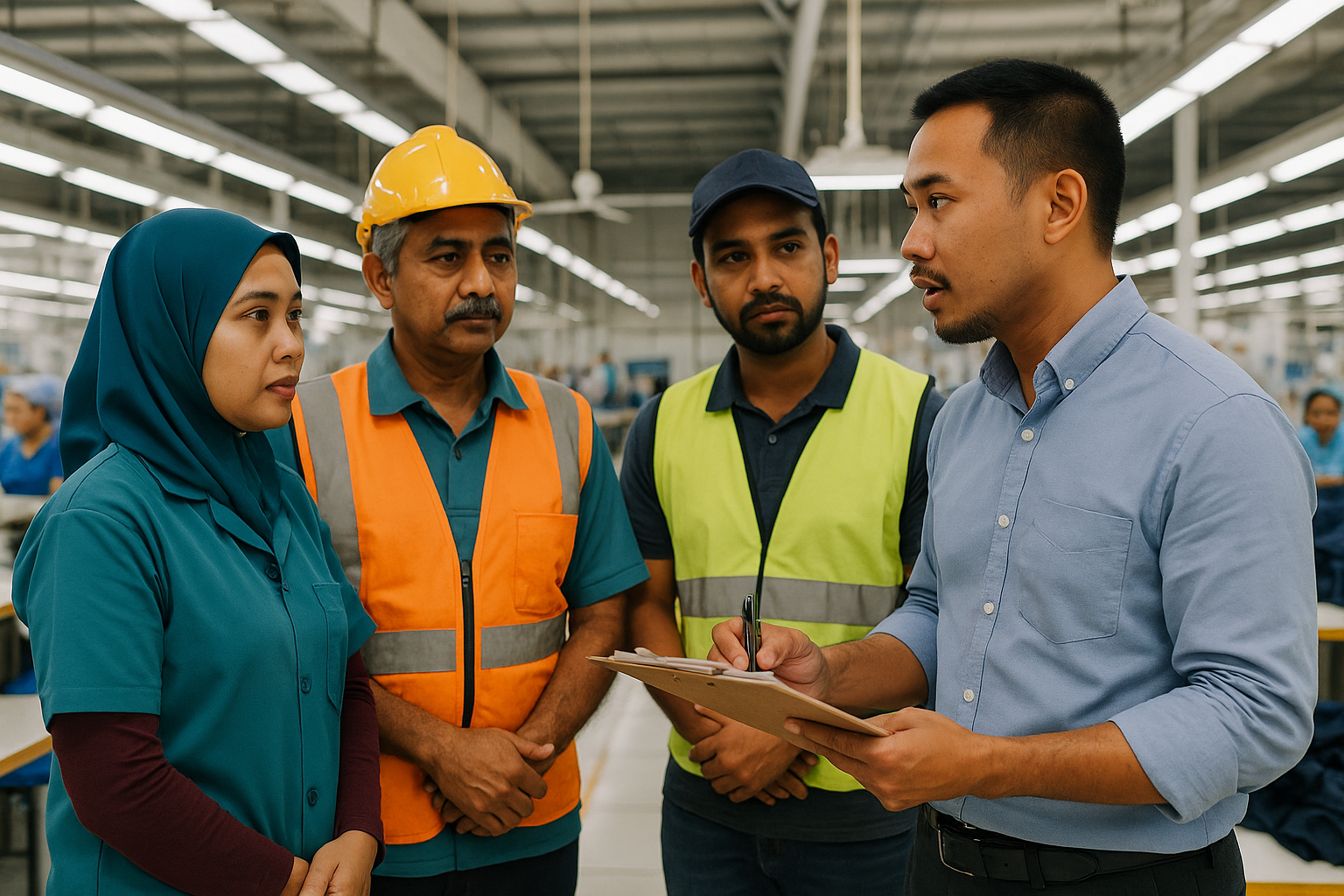
The International Labour Organization (ILO) Office has stepped up its engagement with Philippine business leaders through two focused discussions on labour standards, trade, and responsible business conduct, highlighting the growing connection between decent work compliance and global market access.
In partnership with the Employers Confederation of the Philippines (ECOP) and the Philippine Exporters Confederation (PHILEXPORT), the ILO convened senior managers and compliance leaders from export-oriented enterprises to examine how fundamental principles and rights at work are increasingly shaping trade agreements, buyer expectations, and investment decisions.
Decent Work Standards Now Central to Trade and Investment
Participants explored how labour standards are becoming a key determinant in international competitiveness, as global supply chains face rising scrutiny over working conditions, forced labour risks, and corporate accountability.
The discussions underscored that responsible business practices are no longer voluntary add-ons but essential requirements for maintaining access to export markets and attracting sustainable investment.
National Action Plan on Business and Human Rights in Focus
A major part of the dialogue centred on the Philippines' forthcoming National Action Plan on Business and Human Rights, announced in August 2025 and embedded in the National Human Rights Strategy for 2024–2028.
Drawing on a regional review of similar action plans across Asia and the Pacific, the ILO highlighted the importance of early and structured private-sector engagement to ensure regulatory predictability and smoother implementation of future compliance obligations.
This approach is expected to help businesses prepare for evolving due diligence standards while supporting alignment with international human rights frameworks.
Exporters Briefed on EU Trade Monitoring and Forced Labour Controls
Export-oriented enterprises also reviewed key developments affecting market access, including:
-
Monitoring under the European Union's Generalised Scheme of Preferences Plus (GSP+)
-
Expanding labour provisions in modern trade agreements
-
Increasing use of import controls linked to forced labour
Practical sessions examined trade and supply chain linkages, reinforcing core concepts related to fundamental principles and rights at work.
Promoting Responsible Business Tools and ESG Due Diligence
The workshop featured ECOP's Digital Self-Assessment Checklist (version 3.0), a due diligence tool aligned with environmental, social, and governance (ESG) standards.
Enterprises were also introduced to ECOP's online ESG pulse check platform, designed to help firms assess and strengthen compliance systems across labour, environmental, and governance dimensions.
Gary Rynhart, Senior ILO Specialist on Employers' Activities, addressed participants on the importance of promoting responsible business practices to support both worker protections and trade competitiveness.
Broader Business Community Consulted
In a separate high-level briefing, the ILO Office engaged leading Philippine business organizations, including:
-
Employers Confederation of the Philippines (ECOP)
-
Philippine Chamber of Commerce and Industry
-
Makati Business Club
-
Chamber of Commerce of the Philippine Islands
-
European Chamber of Commerce of the Philippines
-
Brotherhood of Christian Businessmen and Professionals
-
Philippine Business Council of Women
-
A former President of the Philippine Stock Exchange
The session focused on business perspectives in shaping the National Action Plan on Business and Human Rights.
Strengthening Competitiveness Through Responsible Business Conduct
Through these engagements, the ILO reaffirmed its commitment to supporting Philippine enterprises as they navigate the evolving relationship between labour standards and global trade.
The discussions highlighted that stronger compliance with fundamental rights at work can enhance competitiveness, protect workers, and ensure Philippine exporters remain well-positioned in increasingly regulated international markets.








 Google News