



King Misuzulu Backs Electoral Integrity as IEC Steps Up Preparations for Elections
Zulu Kingdom spokesperson Prince Thulani Zulu described the meeting as a constructive platform focused on enhancing collaboration and reinforcing trust in democratic processes.
- Country:
- South Africa
As South Africa gears up for the next cycle of Local Government Elections, His Majesty King Misuzulu kaZwelithini has issued a strong call for credible, transparent, and peaceful elections, reinforcing their central role in sustaining constitutional democracy and social stability—particularly in politically sensitive regions such as KwaZulu-Natal.
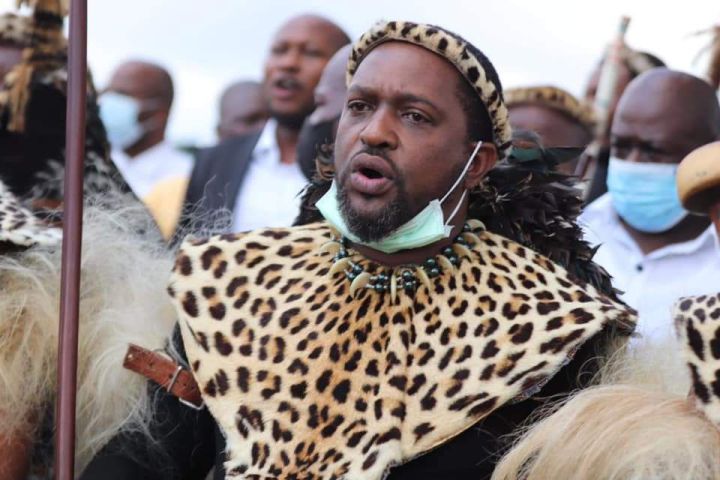
The King's remarks came during a high-level engagement with a delegation from the Electoral Commission of South Africa (IEC) at his Private Office at the Emashobeni Royal Palace in Pongola on Tuesday. The meeting forms part of the Commission's nationwide stakeholder consultation programme aimed at strengthening electoral readiness and rebuilding public trust ahead of the 2026/27 municipal polls.
A Strategic Engagement to Rebuild Trust
The interaction between the Zulu monarch and the IEC represents a critical convergence of traditional authority and constitutional institutions, at a time when public confidence in governance structures remains uneven.
Zulu Kingdom spokesperson Prince Thulani Zulu described the meeting as a constructive platform focused on enhancing collaboration and reinforcing trust in democratic processes.
"The delegation presented His Majesty with a comprehensive briefing on the state of readiness for the elections, including key timelines, operational preparedness, and ongoing voter education initiatives aimed at ensuring free, fair, and credible polls," he said.
The briefing covered key operational aspects such as:
-
Election timelines and logistical planning
-
Voter registration campaigns and outreach strategies
-
Risk mitigation measures in high-tension areas
-
Public education efforts to improve participation
Addressing Declining Public Confidence
A central theme of the discussions was the challenge of declining public trust in governance institutions—an issue highlighted by recent surveys and particularly pronounced in parts of KwaZulu-Natal.
Concerns around voter apathy, political tensions, and service delivery dissatisfaction have raised questions about participation levels in upcoming elections. The engagement therefore sought to identify practical ways to restore confidence and encourage broader civic involvement.
King Misuzulu emphasised that traditional leadership structures remain vital in bridging this trust gap, especially in rural and peri-urban communities where amakhosi (traditional leaders) continue to play an influential role.
Traditional Leadership as a Catalyst for Participation
The King underscored the importance of traditional leaders in promoting:
-
Social cohesion at community level
-
Civic responsibility among citizens
-
Peaceful engagement during electoral processes
-
Increased voter registration and turnout, particularly among young people
He also expressed full support for the IEC's work and urged all eligible citizens—especially youth—to actively participate in the democratic process.
His endorsement is seen as strategically significant, given the influence of traditional institutions across KwaZulu-Natal, a province that has historically experienced both high political engagement and periods of electoral tension.
Strengthening Rural Voter Outreach
The Private Office of His Majesty welcomed the IEC's recognition of the role traditional leaders can play in expanding voter education efforts, particularly in rural areas where access to information and services can be limited.
Both parties highlighted the need for sustained cooperation to:
-
Improve voter awareness campaigns
-
Address misinformation and distrust
-
Ensure inclusive participation across all communities
This collaborative approach aligns with broader national efforts to adopt more community-driven strategies in electoral planning.
IEC to Present Outcomes of KZN Engagements
The stakeholder consultation programme in KwaZulu-Natal is set to culminate in a media briefing by the IEC on Friday, 24 April 2026, in Durban.
Led by IEC Chairperson Mosotho Moepya, the briefing will outline:
-
Key findings from the week-long stakeholder engagements
-
Insights from the Voter Participation Survey in the province
-
An updated assessment of KwaZulu-Natal's readiness for the 2026/27 municipal elections
-
Identified risks and planned interventions to mitigate them
The Commission is also expected to reaffirm its constitutional mandate to deliver elections that are free, fair, and credible, amid growing scrutiny of democratic institutions globally.
A Crucial Moment for South Africa's Democracy
The engagement between King Misuzulu and the IEC highlights a broader recognition that electoral integrity is not solely a technical process, but a societal one—requiring trust, participation, and cooperation across all sectors.
As South Africa approaches the 2026/27 Local Government Elections, the emphasis on inclusivity, transparency, and peace will be critical in ensuring not only credible outcomes, but also the legitimacy of the democratic system itself.
With traditional leadership, government institutions, and communities increasingly working in tandem, the groundwork is being laid for an electoral process that seeks to restore confidence and strengthen democracy from the grassroots up.








 Google News