



PSC Chief to Meet King Misuzulu to Boost Role of Traditional Leadership in Public Service Reforms
The high-level engagement reflects a broader government effort to bridge institutional governance with traditional authority structures, particularly in rural and underserved regions.
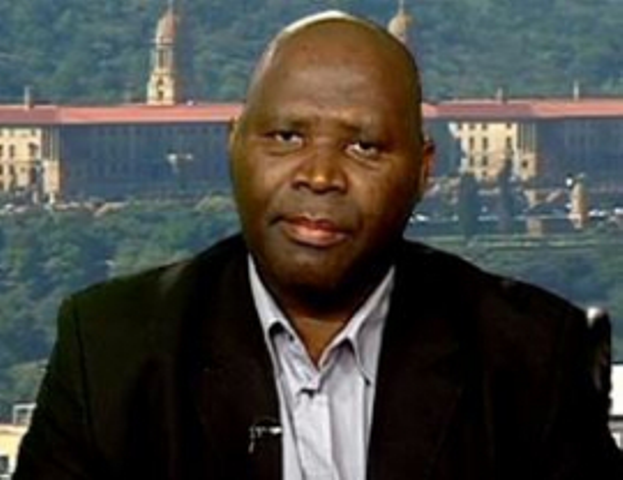
- Country:
- South Africa
In a significant step toward integrating traditional leadership into governance reforms, Public Service Commission (PSC) Chairperson Professor Somadoda Fikeni will meet His Majesty King Misuzulu kaZwelithini Zulu to explore collaboration aimed at improving service delivery and development in traditional communities.
The high-level engagement reflects a broader government effort to bridge institutional governance with traditional authority structures, particularly in rural and underserved regions.
Focus on Collaboration for Community Development
The meeting will centre on:
-
Strengthening cooperation between the PSC and the AmaZulu Kingship
-
Addressing the needs of traditional communities
-
Enhancing service delivery and development outcomes
The PSC noted that the discussions will seek the King's guidance and insights on how traditional institutions can contribute to governance improvements.
Professor Fikeni will be joined by PSC Commissioners Magerule Sekonya and Bheki Zulu during the engagement in KwaZulu-Natal.
PSC Bill to Expand Oversight Powers to Local Government
A key backdrop to the meeting is the proposed Public Service Commission (PSC) Bill, which is expected to significantly expand the Commission's mandate.
Key Features of the PSC Bill:
-
Extends PSC oversight to local government and public entities
-
Strengthens the Commission's investigative and monitoring powers
-
Enhances independence and impartiality of the institution
-
Supports professionalisation of the public service
The consultations with traditional leaders are part of preparations to ensure that local governance reforms are informed by grassroots realities.
Integrating Traditional Leadership into Governance Frameworks
The engagement is part of a wider consultative process initiated by the PSC to:
-
Engage Kings and Queens across provinces
-
Incorporate traditional leadership perspectives into policy design
-
Strengthen coordination between state institutions and customary authorities
This approach acknowledges the critical role of traditional leaders in:
-
Community mobilisation
-
Conflict resolution
-
Local development facilitation
Earlier Consultations with Top Leadership
Professor Fikeni has already held high-level discussions with:
-
President Cyril Ramaphosa
-
Minister of Cooperative Governance and Traditional Affairs (CoGTA)
He also engaged with the National House of Traditional Leaders in July 2024, where consensus emerged on the need for structured consultations with traditional authorities nationwide.
Toward a Comprehensive National Framework
Following these engagements, the PSC plans to:
-
Compile a comprehensive report based on consultations
-
Submit recommendations to the President and the Minister of CoGTA
The report is expected to shape future policies on:
-
Governance in traditional areas
-
Service delivery mechanisms
-
Institutional collaboration models
Strategic Significance
The upcoming meeting signals a shift toward inclusive governance, where traditional leadership is seen as a key stakeholder in public administration reform.
Key Takeaways:
-
PSC seeks to align governance reforms with traditional systems
-
PSC Bill to expand oversight to grassroots governance levels
-
Traditional leaders to play a greater advisory and developmental role
-
Nationwide consultations to inform policy and institutional reforms
Strengthening Governance at the Grassroots
As South Africa works to improve public service delivery, particularly in rural and traditional areas, the PSC's engagement with the AmaZulu Kingship underscores the importance of collaborative governance models.
By combining institutional oversight with traditional wisdom, the initiative aims to create a more responsive, inclusive, and effective public service system.








 Google News