



UNHCR Warns Surge in Afghan Returns Is Deepening Humanitarian Crisis
According to a recent World Bank report, the rapid population growth fuelled by mass returns contributed to a 4 per cent decline in GDP per capita in 2025, further worsening living conditions.
- Country:
- Afghanistan
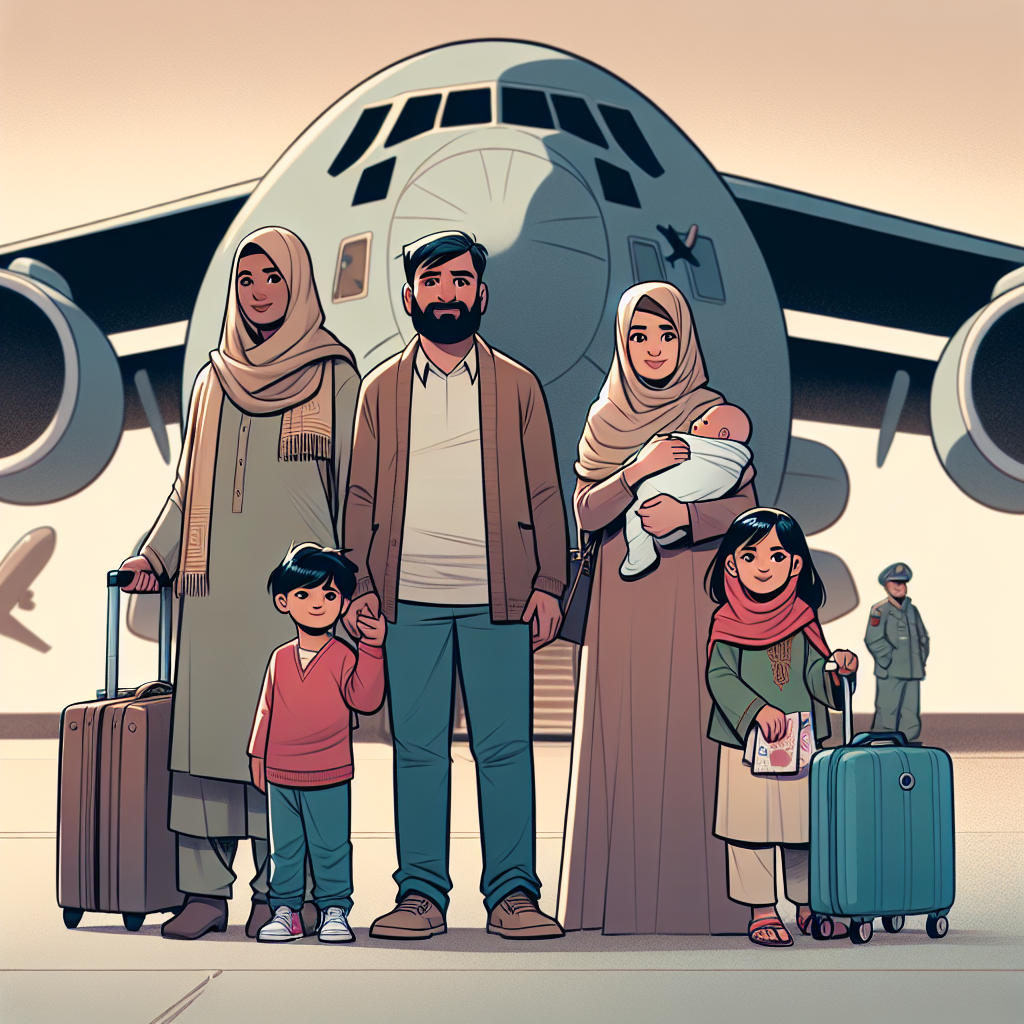
The UN Refugee Agency (UNHCR) has raised alarm over the accelerating return and forced return of Afghans from neighbouring countries, warning that the speed and scale of arrivals are pushing Afghanistan deeper into crisis amid harsh winter conditions, economic fragility and shrinking asylum space across the region.
So far this year, nearly 150,000 Afghans have returned from Iran and Pakistan, adding to already unprecedented population movements. In 2025 alone, some 2.9 million people returned, bringing the total to approximately 5.4 million returnees since October 2023.
UNHCR says the magnitude of these returns is overwhelming Afghanistan's capacity to absorb people safely and sustainably.
Returns Driving Afghanistan Deeper Into Crisis
The agency warned that Afghanistan is already facing a deteriorating humanitarian and human rights situation — particularly for women and girls — alongside a fragile economy and recurring natural disasters.
According to a recent World Bank report, the rapid population growth fuelled by mass returns contributed to a 4 per cent decline in GDP per capita in 2025, further worsening living conditions.
The situation is particularly concerning given the severity of winter, with freezing temperatures and heavy snowfall affecting large parts of the country.
Returnees Struggling to Survive
UNHCR's recent survey of returnees highlights the immense challenges families face upon arrival.
Key findings include:
-
Just over half of returnees reported being able to find some form of work, often informal
-
For women, employment drops sharply to less than a quarter
-
More than 50 per cent of families lack civil documentation, such as identity cards
-
Over 90 per cent of returnees are living on less than $5 a day
Without documentation, many returnees face barriers in accessing services, employment, and legal protection.
Growing Concerns Over Sustainability
UNHCR expressed deep concern that many returns are not sustainable.
While only 5 per cent of those surveyed said they intend to leave Afghanistan again, more than 10 per cent reported knowing relatives or community members who have already left since returning.
"These decisions are not driven by a desire to leave," UNHCR stressed, "but by the reality that many are unable to rebuild a viable and dignified life."
Pockets of Hope and Opportunity
Despite the grim outlook, UNHCR noted signs of potential resilience. The socio-economic profile of returnees is evolving, with those returning in 2025 generally having higher education levels and stronger labour market participation.
With the right support, returnees could contribute skills and experience that help stabilize communities.
Reintegration Support Urgently Needed
UNHCR says its priority this year is supporting reintegration, drawing on four decades of presence and experience in Afghanistan.
Assistance focuses on:
-
Protection services
-
Housing support
-
Livelihood opportunities
-
Targeted help for women and vulnerable groups
The agency is also monitoring regional trends, warning that asylum space is shrinking and safe migration pathways are narrowing, forcing many Afghans into dangerous onward journeys.
UNHCR reiterated its call on States to uphold access to asylum, protect Afghan refugees, and ensure no one is returned to conditions where their rights and freedoms are at risk.
Major Funding Gap for 2026 Response
With Afghanistan's population rapidly increasing and humanitarian needs rising, UNHCR says additional support is urgently required.
For 2026, the agency is seeking $216 million to assist displaced people and returnees across Afghanistan. However, the response is currently only 8 per cent funded.
"This is a critical moment to act," UNHCR warned, emphasizing that long-term solutions are still possible — but only with sustained international support to help Afghan returnees rebuild their lives with dignity, hope and stability.
ALSO READ
-
UNHCR Launches Routes Monitor to Track Global Refugee and Migrant Movements
-
Mass Exodus: Afghanistan Struggles Amid Unprecedented Returns
-
Afghanistan Overwhelmed by Returnees Amidst Humanitarian Crisis
-
Shahrbanoo Sadat counters sad narratives about Afghanistan with Berlin opening film
-
T20 WC: Afghanistan's Nabi sanctioned for code of conduct breach in South Africa fixture








 Google News