



WHO Marks 15 Years of Pandemic Influenza Preparedness Framework
At a time when global health systems are still recovering from COVID-19 and preparing for future threats, WHO officials stress that the framework’s founding principles are more relevant than ever.
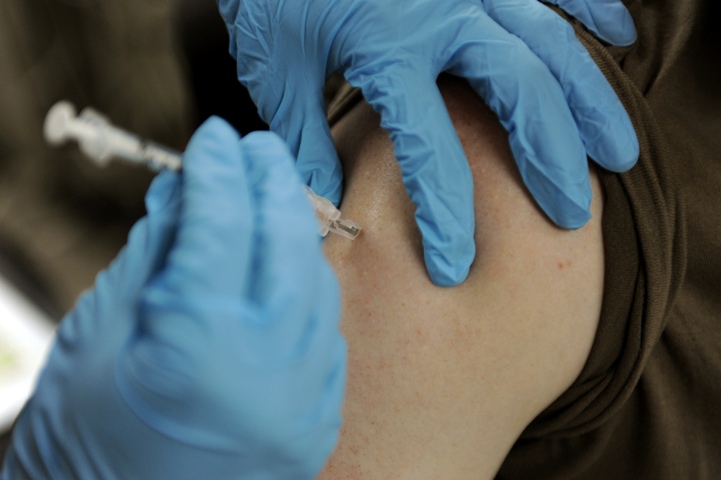
The World Health Organization (WHO) has marked the 15th anniversary of its landmark Pandemic Influenza Preparedness (PIP) Framework, highlighting it as a pioneering global mechanism that has reshaped how countries collaborate to prevent and respond to pandemic threats.
Featured in a special issue of the WHO Influenza Newsletter, the milestone underscores how the framework—adopted by the World Health Assembly in May 2011—has become a cornerstone of global health security by placing equity, transparency, and partnership at the center of pandemic preparedness.
A First-of-Its-Kind Global System
The PIP Framework remains the world's only fully operational global access and benefit-sharing system for public health. Its core objective is twofold: ensuring the rapid sharing of influenza viruses with pandemic potential, while guaranteeing fair and equitable access to the benefits derived from them—such as vaccines, antiviral treatments, and diagnostic tools.
At a time when global health systems are still recovering from COVID-19 and preparing for future threats, WHO officials stress that the framework's founding principles are more relevant than ever.
"The PIP Framework demonstrates the power of collective action when equity is embedded in global health systems," the organization noted.
Strengthening Preparedness Across 86 Countries
Over the past 15 years, the framework has translated international cooperation into tangible results. Through its innovative Partnership Contribution mechanism—funded by pharmaceutical companies and manufacturers that utilize the WHO Global Influenza Surveillance and Response System (GISRS)—the PIP Framework has supported capacity-building initiatives in 86 countries across all WHO regions.
These investments have strengthened critical public health systems, including:
-
Laboratory and disease surveillance networks
-
Regulatory and approval mechanisms for medical products
-
Risk communication and public awareness strategies
-
Community engagement and emergency preparedness planning
-
Disease burden assessment and data systems
While funding under the framework is relatively limited compared to broader global health financing, it plays a strategic role by supplementing existing resources and catalyzing additional investments through strong partnerships.
From Shared Responsibility to Real-World Impact
The success of the PIP Framework lies in its collaborative model, which brings together governments, scientific networks, industry stakeholders, and civil society. The WHO's Global Influenza Surveillance and Response System (GISRS)—a network of laboratories and institutions worldwide—has been central to this effort, enabling rapid data and virus sharing.
This coordinated approach has helped countries improve their readiness to detect, assess, and respond to influenza threats, reducing response times and enhancing global coordination during health emergencies.
Public health experts note that such mechanisms are critical in a world where infectious diseases can spread across borders within days, making collective preparedness essential.
A Blueprint for Future Pandemic Response
Beyond influenza, the PIP Framework is increasingly viewed as a model for broader global health governance—particularly in discussions around equitable access to medical countermeasures during pandemics.
The framework's emphasis on:
-
Equity in access to vaccines and treatments
-
Transparent data and virus sharing
-
Public-private collaboration
-
Capacity-building in low- and middle-income countries
has informed ongoing global debates on how to better prepare for future pandemics, including negotiations around international pandemic agreements.
Lessons for a Changing Global Health Landscape
WHO officials emphasize that the PIP Framework's legacy extends beyond its technical achievements. It represents a shift in how global health challenges are addressed—moving from fragmented responses to coordinated, equity-driven systems.
"As this milestone shows, partnership, transparency, and equity are not optional—they are essential to effective pandemic preparedness," the WHO noted.
As the global community continues to face emerging health threats, the experience of the PIP Framework offers valuable lessons: that shared responsibility, backed by practical mechanisms and sustained collaboration, can deliver meaningful improvements in global health security.
With 15 years of implementation behind it, the framework stands as both a proven tool and a roadmap for building a more resilient, inclusive, and prepared world.
ALSO READ
-
On April 23, we will defeat Delhi's arrogance, slaves who support that arrogance, says TN CM Stalin.
-
Global Rabies Expert Dr. Omesh Bharti Joins WHO's Prestigious STAG Committee
-
Those who oppose women quota bill will pay a price for a long time, says PM Modi in Lok Sabha.
-
Those who opposed quota for women were never forgiven by women of the country: PM Modi in Lok Sabha on women reservation.
-
No graft charge against Modi who ruled Gujarat, Centre for 24 yrs; will recover with interest Rs 300 cr TMC ate up in job scam: Shah.








 Google News