



Pacific Nations Struggle Amid Global Fuel Crisis: Aid, Energy, and Economic Pressures
Pacific nations face turmoil due to a global fuel crisis exacerbated by a conflict involving the U.S. and Israel. With oil supplies strained and prices soaring, access to essentials like food and healthcare has become challenging, while regional economies suffer significant setbacks. A coordinated response is being launched.
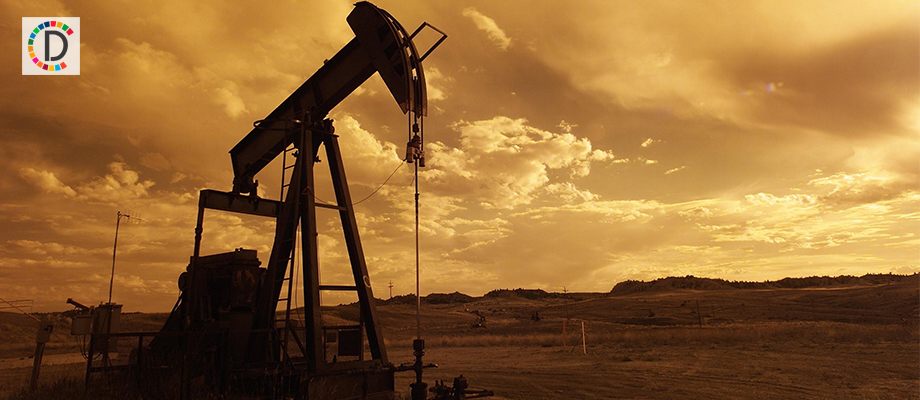
Far-flung Pacific nations are grappling with the adverse effects of a widening global fuel crisis intensified by the ongoing conflict involving the U.S. and Israel. Disruptions in oil throughput via the critical Strait of Hormuz have severely impacted global supplies, resulting in steep price hikes. Pacific authorities are now in a race against time to manage dwindling energy supplies as domestic costs for essentials such as food and healthcare skyrocket.
Aid agencies have reported that diesel, petrol, and kerosene prices have surged dramatically across the region, with Papua New Guinea experiencing as much as a 70% increase since the conflict’s inception. World Vision's Godfrey Bongomin highlights the logistical challenges faced by many communities reliant on boat transport for basic supplies delivery, leading to significant impediments in accessing medical care and vital medicines.
In response to the escalating situation, the Pacific Islands Forum troika has initiated an emergency response mechanism akin to measures taken during the COVID-19 crisis. Nations like the Cook Islands, Nauru, and Papua New Guinea are taking active steps to address rising fuel prices, while island states such as Tuvalu and the Marshall Islands have declared states of emergency to alleviate the mounting pressures on their economies and populations.








 Google News