



World Bank's New Strategy: Empowering Small States Through Job Creation
The World Bank introduced a strategy to help small island states and countries tackle challenges like remoteness and economic vulnerabilities. By focusing on job creation through private investment and policy reforms, the plan aims to enhance sectors like health and energy. Partnerships and flexible financing are key components.
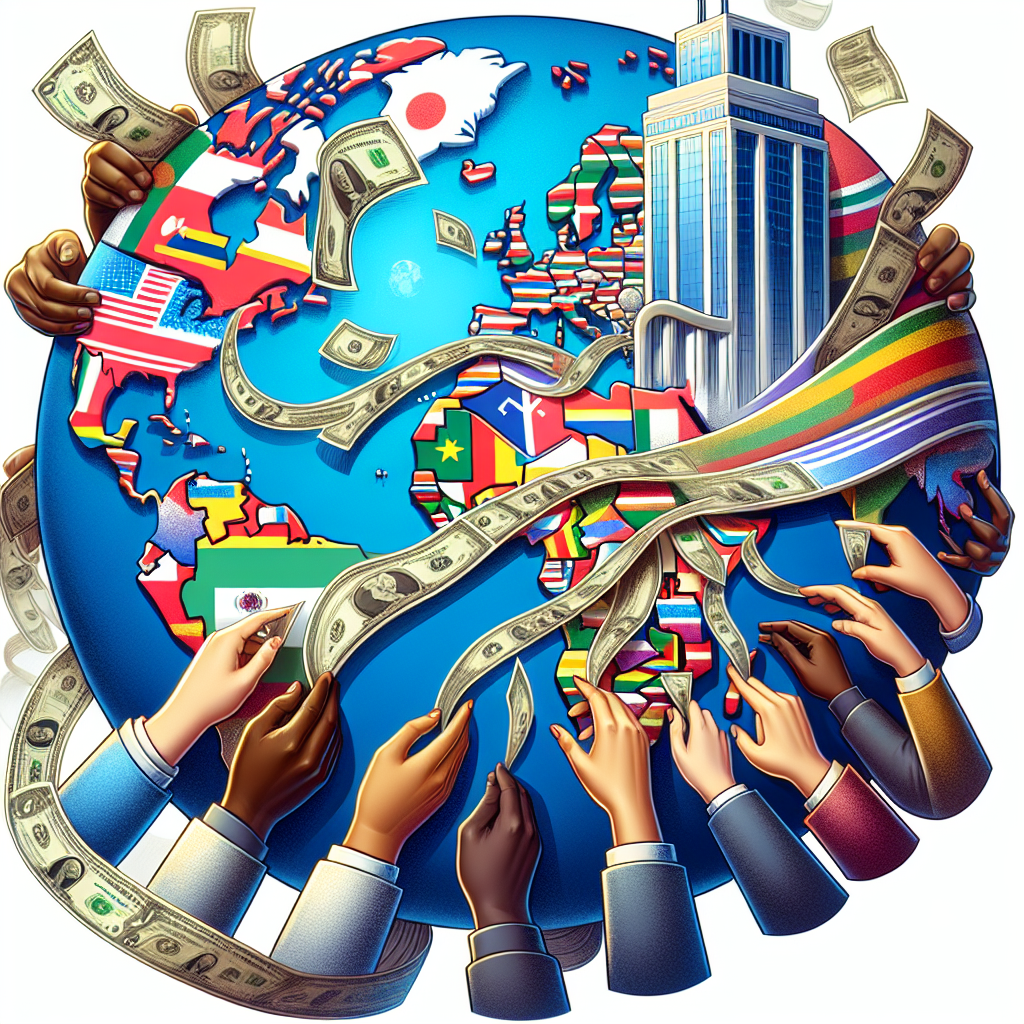
The World Bank unveiled a new strategy aimed at assisting small island states and countries to better handle challenges such as remoteness and a narrow economic base. President Ajay Banga discussed this initiative at a closed-door assembly of ministers and central bank governors from 50 small countries during the IMF and World Bank spring meetings.
This approach intends to use targeted tools to attract private investment and implement policy and regulatory reforms, aiming to make it easier for businesses to operate. Focusing on areas such as health, affordable energy, and infrastructure, the strategy seeks to boost growth and create more jobs.
The World Bank Group approved $3.3 billion in commitments for small states last year to combat economic challenges. Noting the higher costs of working in small states, Banga highlighted streamlined service delivery and flexible financing as strategic priorities under this initiative. Projects are already underway, including urban resilience efforts in Tonga and solar energy developments in Botswana.
ALSO READ
-
Debating the Future of World Bank’s Climate Strategy
-
Govt telling southern, northeastern, small states that for BJP to remain in power, ''we are going to take away representation from you'': Rahul.
-
Kenya Seeks Rapid World Bank Assistance Amid Iranian Conflict Economic Strain
-
Venezuela Welcomes Back IMF and World Bank: A New Dawn for Economic Aid
-
IMF and World Bank Resume Dealings with Venezuela







 Google News