



Coal's Unlikely Reprieve: Not a Long-Term Comeback
Amidst U.S. policy support and the Iran conflict, coal sees an unexpected price surge. Yet, market shifts and the energy transition signal a structural decline for coal. Though recent policy actions momentarily boost the industry, enduring challenges and competition from renewables suggest coal's struggles are far from over.
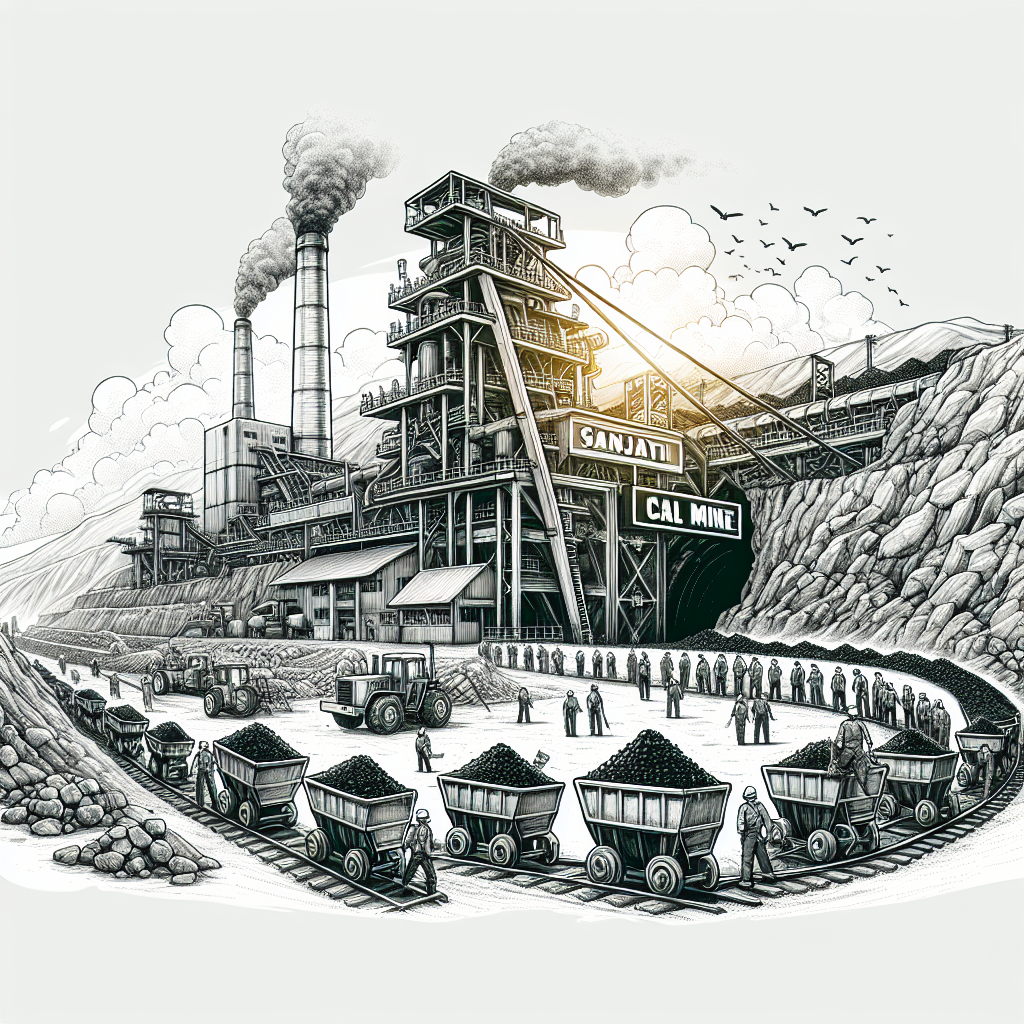
In a twist of geopolitical events, the coal industry finds itself experiencing a rare uptick in prices, driven by recent U.S. policies and the Iran conflict disrupting energy supply routes. The Iran-triggered closure of the Strait of Hormuz, a vital passage for global energy, caused a spike in seaborne thermal coal prices by over 25%, marking a transient high since late 2024.
Despite reaching this peak, the scenario is not indicative of a robust coal comeback. The increase reflects short-term market conditions, with coal prices already tapering to a mere 15% above the pre-conflict levels. The temporary boost comes on the heels of a year where U.S. coal consumption unexpectedly climbed by 10%, spurred by rising natural gas prices and policy interventions from the Trump administration, along with surging electricity demand driven by artificial intelligence infrastructure.
While global tensions momentarily revive coal's prospects, the long-term outlook remains bleak. Institutional interest has resurged, but environmental liabilities and market competition pose ongoing threats. The industry must navigate these constraints to sustain any potential gains in the face of inevitable structural decline.
ALSO READ
-
Supreme Court Orders Release of Former Energy Minister in Money Laundering Case
-
Sebi and FIU-India Unite to Combat Securities Market Fraud
-
India's Clean Energy Leap: Pioneering the Global Transition
-
UK Scraps Carbon Tax to Cut Energy Costs
-
China Urges U.S. and Iran to Resume Talks Amid Global Energy Concerns








 Google News