



World Bank Flags Downside Risks to India's Growth Projection
The World Bank highlights potential downside risks to India's projected growth rate of 6.6% for the fiscal year 2026/27. Despite these risks, robust foreign exchange reserves and a strong banking system may help to mitigate them. The World Bank also notes that retail inflation is expected to reach 4.9% this fiscal year, driven by increased food and energy prices and exchange rate pressures.
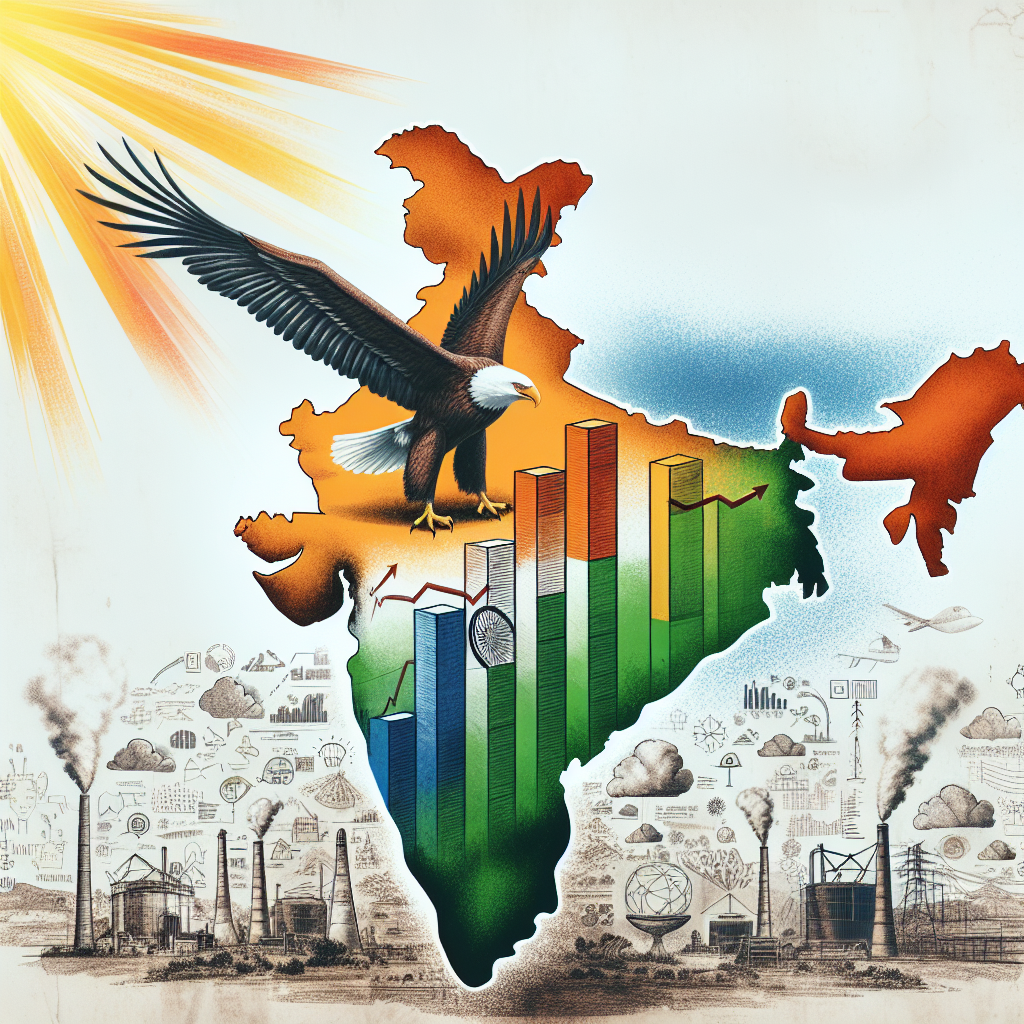
The World Bank has raised concerns about potential downside risks to India's anticipated growth rate of 6.6% for the fiscal year 2026/27. These concerns emerge despite the country's substantial foreign exchange reserves and a well-capitalized banking system, both of which could serve to alleviate economic pressures.
Retail inflation in India is expected to hit 4.9% for the ongoing fiscal year. This spike is attributed to escalating food and energy prices coupled with exchange rate depreciation pressures, highlighted by the World Bank's India Economist, Aurelien Kruse.
The World Bank's statements come as India navigates fiscal challenges in a volatile global economic landscape. The nation's fiscal year operates from April to March.
ALSO READ
-
World Bank and Citi Launch R1.6 Billion Facility to Boost Local Currency Financing in SA
-
World Bank's $100 Billion Lifeline for Middle East Crisis
-
World Bank Aims for Massive Middle East War Relief Fund
-
Treasury Secretary Criticizes IMF and World Bank's Economic Forecasts
-
Treasury Secretary Criticizes IMF and World Bank's Economic Forecast Reactions








 Google News