



China Strengthens Border Controls Amid SAT-1 Foot-and-Mouth Disease Threat
China has intensified border controls and vaccine efforts following an SAT-1 foot-and-mouth disease outbreak in Gansu and Xinjiang. With concerns over cross-border transmission, officials are implementing measures to prevent further spread and prepare vaccines to protect livestock, as the disease poses significant risks to the region's cattle industry.
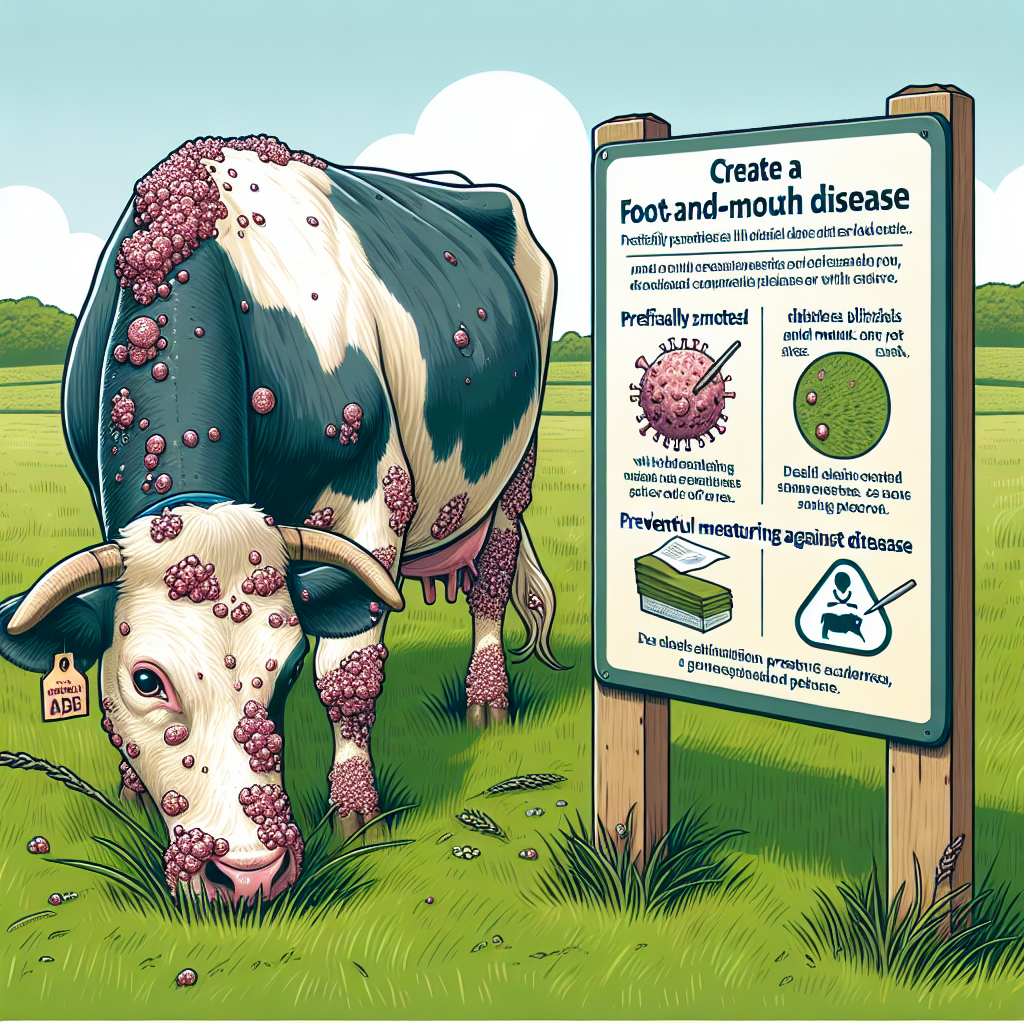
China has intensified its border controls and expedited vaccine development in response to a minor outbreak of SAT-1 foot-and-mouth disease in the northwest, which authorities believe entered from abroad. Measures include culling affected cattle herds in Gansu province and Xinjiang, where a total of 6,229 animals have been impacted.
Analysts report that this is the first instance of the SAT-1 serotype being detected in China—an endemic variety in Africa for which existing vaccines may not provide protection. Since 2025, SAT-1 has spread from Africa to parts of the Middle East, West Asia, and South Asia, raising concerns about its recent arrival in China via its northwest border.
The outbreak coincides with a severe cattle disease issue in Siberia, Russia. China's response, potentially signaling an unconfirmed outbreak, includes stepping up border patrols and preventing illegal disease entry. Two new vaccines targeting SAT-1 have received emergency approval, and industry experts anticipate market availability soon.
ALSO READ
-
Canada and China Forge Stronger Economic Ties Amid US Tariff Strains
-
Ethiopia and China Reach Debt Resolution
-
Canada and China Enhance Trade Talks Amid Supply Chain Concerns
-
Canada and China Strengthen Trade Ties Amid Energy and Pork Export Talks
-
China's Steady Mediation: Bridging the Divide Between Pakistan and Afghanistan








 Google News