



The Tungsten Crisis: How Munitions Demand is Reshaping the Global Market
The U.S. and Israel's demand for tungsten in military applications, especially amid the ongoing Iran and Ukraine conflicts, has led to a dramatic surge in metal prices. China's export restrictions and reduced production have exacerbated the crisis, challenging the West's efforts to diversify supply chains.
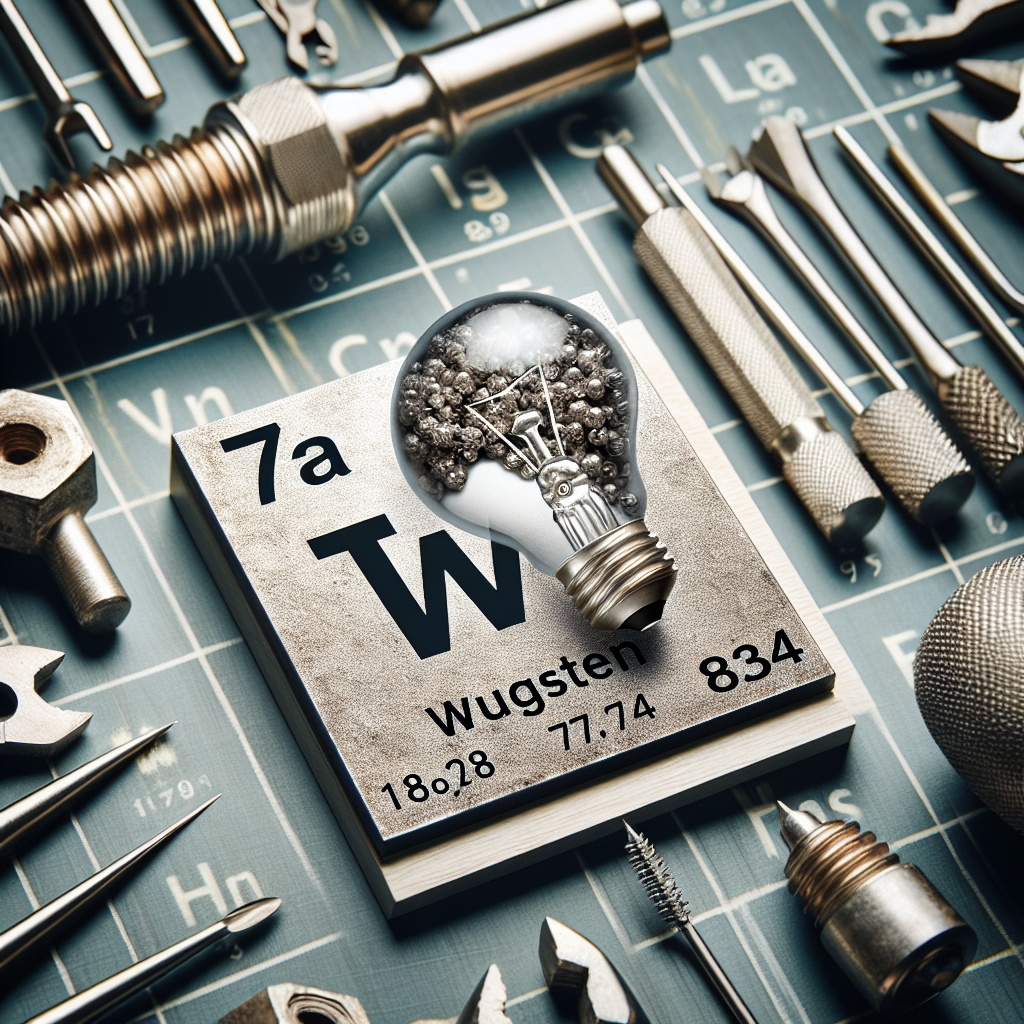
The extensive use of tungsten in the U.S. and Israeli air campaign against Iran has led to soaring demand and prices for this critical metal. Its crucial role in munitions technology is now facing a crisis as efforts to replace depleted stocks are hindered by supply chain issues.
With China's wielding its dominance over global tungsten production and implementing severe export restrictions, the shortage is felt across the defense and civilian industries alike. Prices have skyrocketed, affecting not only military applications but also sectors like electronics and high-end manufacturing.
Efforts by Western nations to develop alternative non-Chinese supply sources, such as those in Kazakhstan, are underway. However, these efforts will take time, while military requirements are growing due to geopolitical conflicts. As defense sectors prioritize their needs, civilian consumers might struggle to secure necessary tungsten supplies.
ALSO READ
-
Tensions Escalate: Russia Warns Against U.S.-Israeli Strikes Near Iranian Nuclear Plant
-
UK's Stance on Iran: Starmer's Assurance
-
Iran's Judiciary Implements Verdicts from Nationwide Protests
-
Tensions Surge Over Iran's Coastal Defense Strategy
-
Iran's Defence Council threatens to deploy naval mines across the 'entire Persian Gulf' if a land invasion happens, reports AP.








 Google News