



The Hormuz Effect: How the Iran War is Reshaping Global Energy Strategies
The Iran war has disrupted the Gulf's energy stability, escalating the Middle East risk premium in oil and gas markets. This conflict has significant implications for global energy prices and trade routes while posing challenges to the Gulf's energy infrastructure and regional relations for the foreseeable future.
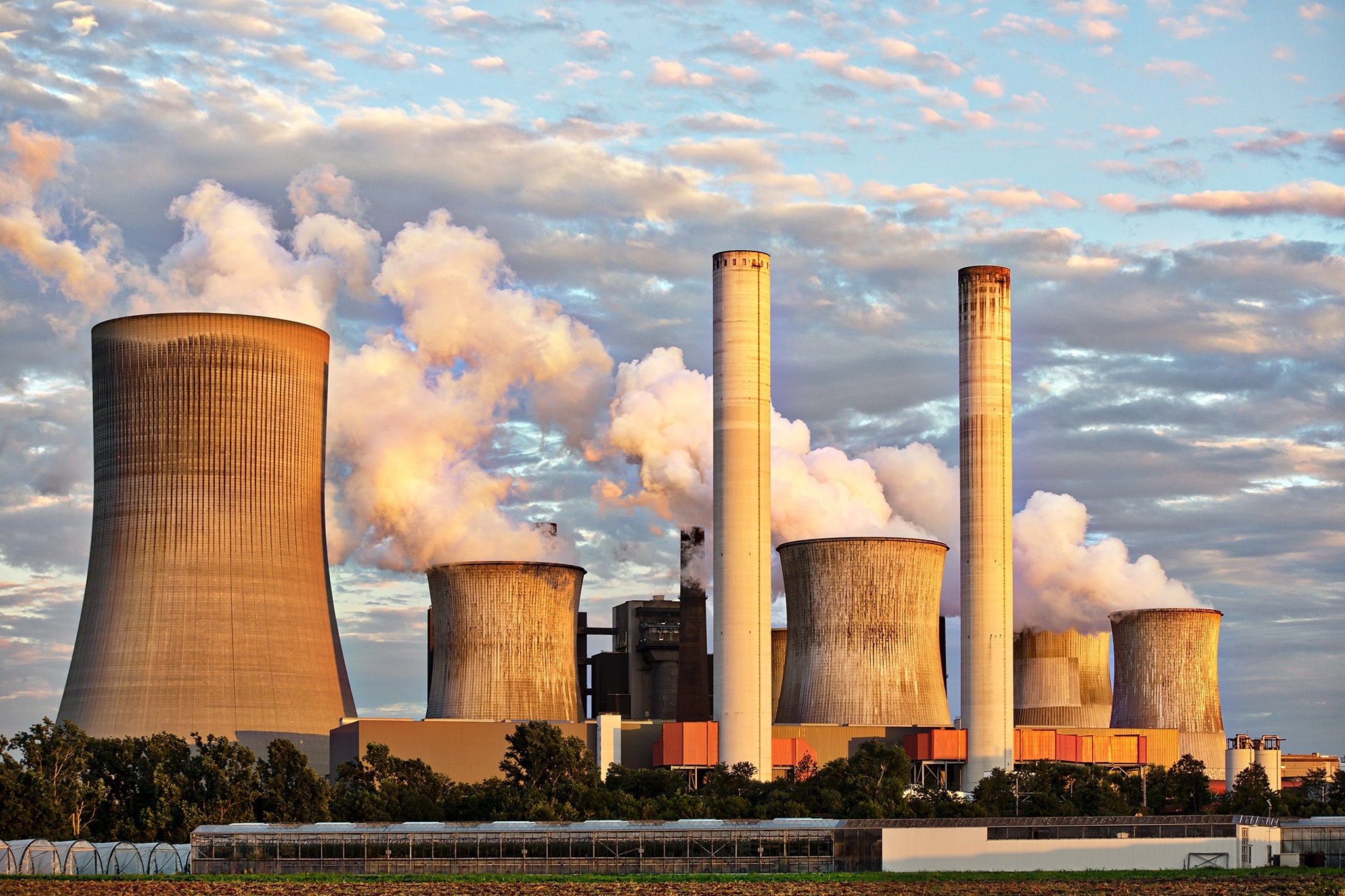
The ongoing Iran war has precariously unsettled the Gulf's energy producers, threatening regional stability and intensifying the Middle East risk premium for oil and gas. The strife has placed essential energy infrastructure in jeopardy, drastically affecting oil prices and global economic dynamics.
One pivotal consequence of the conflict has been Iran's historic blockade of the Strait of Hormuz, a crucial maritime channel. This has dangerously curbed a significant portion of the world's oil and liquefied natural gas supply, causing crude oil prices to soar beyond $100 a barrel, fueling global economic tremors.
The repercussions are vast, affecting trade flows and investment decisions while promising a long-lasting impact on the energy industry. Gulf countries are now hastening diversification efforts across multiple routes, a change likely to persistently alter regional and global energy strategies.
ALSO READ
-
Ferrari Hits the Brakes on Middle East Deliveries Amid Conflict
-
Middle East Conflict Sparks Investment Opportunities in Indian Equity Market
-
Financial Markets Resilient Amid Global Tensions: Iran Conflict's Unpredictable Impact
-
Energy Infrastructures Under Siege: The Global Impact
-
Global Markets Reel as U.S.-Israel and Iran Conflict Escalates








 Google News