



The Lasting Impact of the Iran War on Gulf Energy Stability
The Iran war has destabilized Gulf energy producers and increased the Middle East risk premium for oil and gas markets. This conflict has disrupted global energy supplies, with significant long-term repercussions for trade routes and geopolitical dynamics, particularly affecting the strategic Strait of Hormuz.
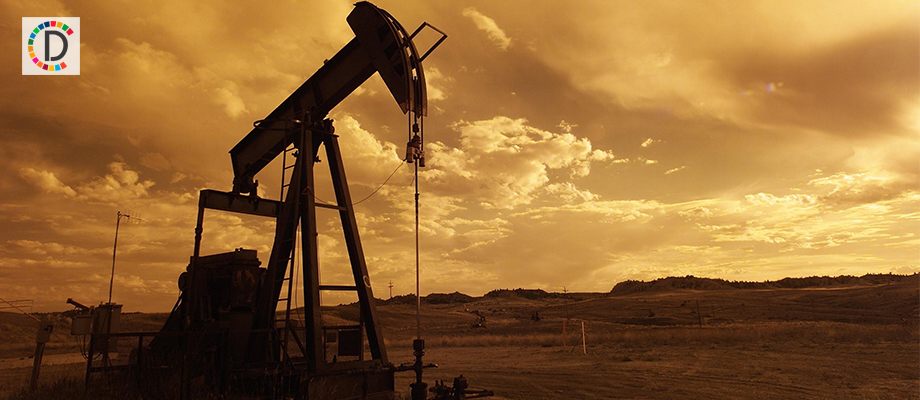
The Iran war has fractured the precarious balance maintained by Gulf energy producers, which has long contributed to regional stability. The conflict, now in its third week, has injected the vast energy infrastructure of the Middle East directly into conflict. Iran's targeting of numerous regional energy installations, crucial for both neighboring nations and the West, demonstrates its influence extends far beyond the battlefield.
By blocking the Strait of Hormuz, Tehran has irrevocably altered global energy flows, trapping a significant portion of the world’s oil and gas supplies. Consequently, oil prices have surged above $100 a barrel, unmasking the vulnerability of the global economy to Middle East disruptions, even amidst diversification and energy transition talks.
This volatile regional landscape calls for Gulf producers to reconsider their operational strategies and explore alternative export routes, while simultaneously prompting importers to adjust sourcing tactics, underscoring the enduring geopolitical and economic consequences of the Iran war.
ALSO READ
-
Aviation Chaos: How the Iran War Disrupted Global Air Travel
-
Sterling Steady Amid BoE Interest Decision and Iran War Impact
-
The Hormuz Effect: How the Iran War is Reshaping Global Energy Strategies
-
Progressives and Moderates Clash Over Iran War in Democratic Primaries
-
Top Security Official Resigns Over Iran War Dispute








 Google News