



Market Turmoil as Gulf Tensions Spike Oil Prices
Global markets experienced a downturn amid escalating tensions in the Middle East, driving oil prices above $100 per barrel and fueling inflation concerns. The uncertainty intensified as the release of strategic oil reserves failed to reassure investors. The situation has significantly impacted global equity indices and currency markets.
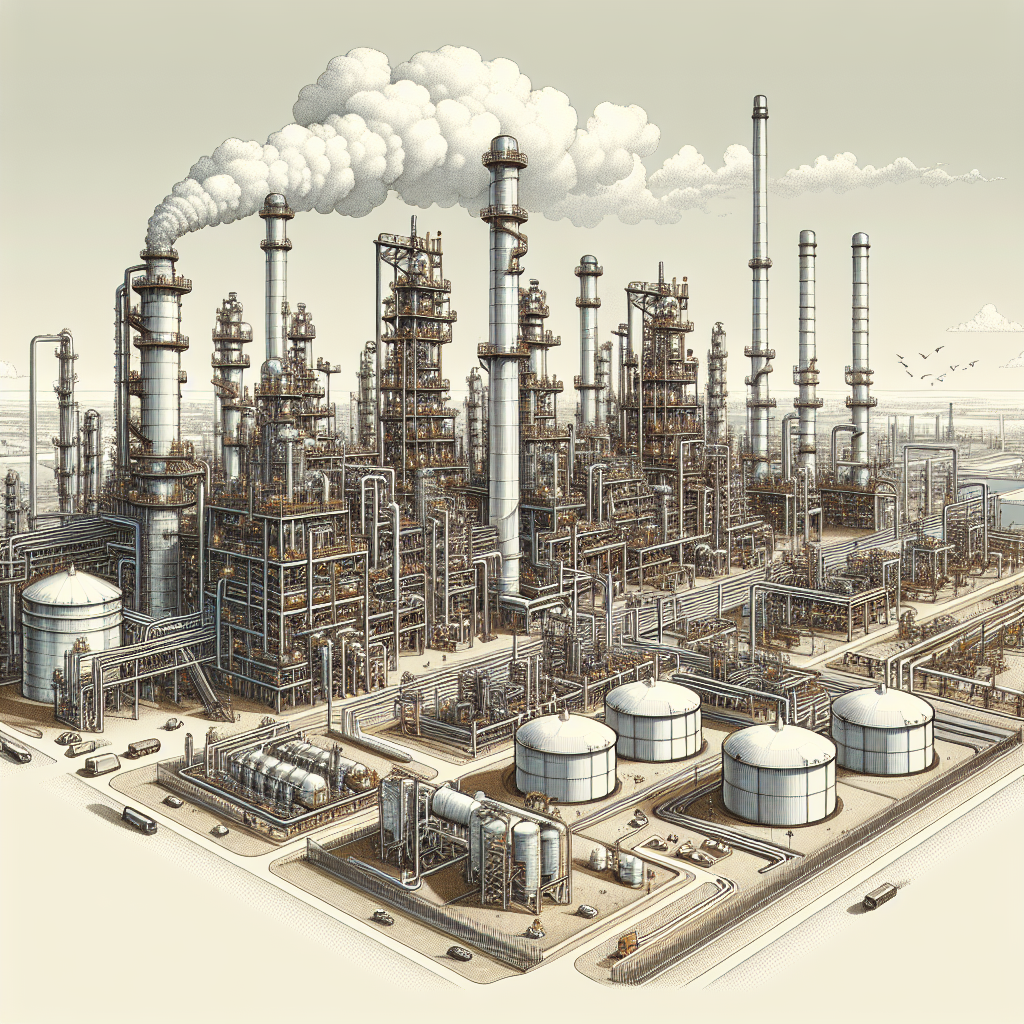
Global equity markets witnessed a slump on Thursday following escalating tensions in the Middle East, marked by attacks on oil tankers, which propelled oil prices above $100 per barrel. This development has heightened inflation worries, reversing earlier optimism about a potential de-escalation of regional conflicts.
Traders remained cautious, eyeing safe havens amidst ambiguous signals from the U.S. administration, while the International Energy Agency's historic move to release 400 million barrels from reserves did little to alleviate market fears. A surge in crude prices highlighted doubts about the adequacy of these reserves to counter the Middle Eastern supply disruptions.
Further compounding market anxieties, Iranian assaults on shipping routes have intensified, with critical oil ports halting operations. This scenario has also jolted currency and bond markets, with investors bracing for the economic ramifications of prolonged energy-driven inflation and its impact on future monetary policies.
ALSO READ
-
Oil Price Surge Stirs Inflation Worries for Britain Amidst Middle East Tensions
-
Historic Oil Supply Disruption Amid Middle East Conflict
-
Russia Urges De-escalation in Middle East Tensions
-
Citibank Closes UAE Branches Amid Middle East Conflict Concerns
-
ASEAN Grapples with Economic Turmoil Amid Middle East Conflict








 Google News