



Dollar Dominates Amid Middle East Tensions and Inflation Fears
The U.S. dollar saw its largest weekly gain in over a year due to escalating Middle East tensions, causing investors to seek safe-haven assets. Meanwhile, the surging oil prices threaten inflation, impacting central bank policies. The ongoing Iran conflict influences exchange rates and financial markets worldwide.
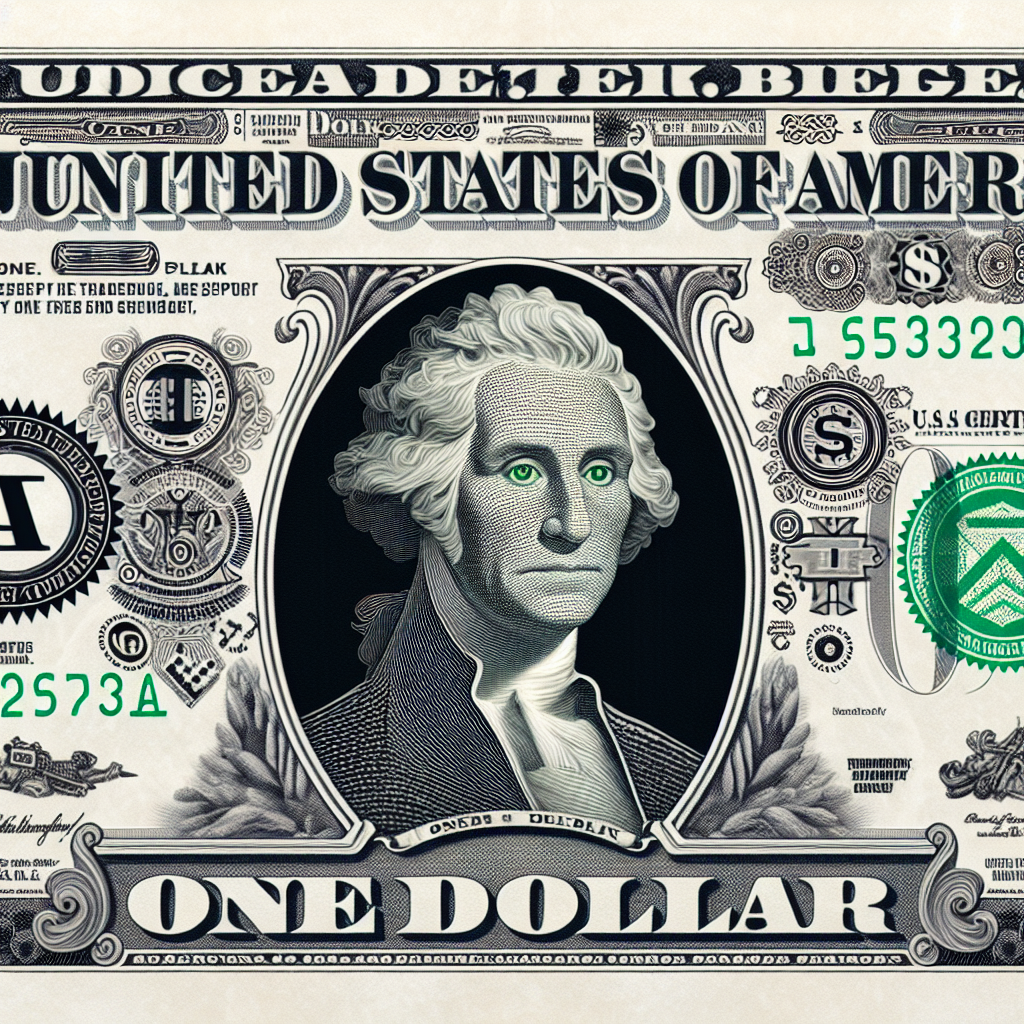
The U.S. dollar advanced on Friday, marking its steepest weekly increase in over a year as tensions rise in the Middle East. The ongoing conflict has prompted a shift towards safe-haven assets, while the euro and yen continue to slide amid fears of prolonged regional instability.
As oil prices climb, driven by uncertainty in the region, inflation risks loom large for energy-importing economies. This situation is disrupting expectations for monetary policy actions from the Federal Reserve and other central banks, leading to market volatility and shifting investment dynamics globally.
Analysts suggest the dollar's strength is tied to energy price fluctuations, with potential prolonged gains if prices remain high. Market attention also focuses on U.S. employment data, further influencing financial strategies amidst geopolitical tensions, with central banks re-evaluating rate outlooks.
ALSO READ
-
Escalating Middle East Conflict: Global Ramifications and Key Players
-
Saudi Arabia's Diplomatic Push to Contain Middle East Conflict
-
Wall Street Struggles Amid Middle East Conflict and Economic Tensions
-
Unyielding Demands: Trump's Iran Ultimatum Escalates Middle East Conflict
-
Oil Crisis Escalation: How the Middle East Conflict Is Shaking Global Markets








 Google News