



India's Renewable Energy Surge: Navigating Material Intensity and Storage Challenges
India's Economic Survey 2025-26 highlights the challenges and progress in advancing renewable energy. While achieving significant growth in clean energy capacity, the country faces hurdles like material intensity and energy storage needs. Strategies include embracing diverse energy sources and technological innovations to meet its NDC targets by 2030.
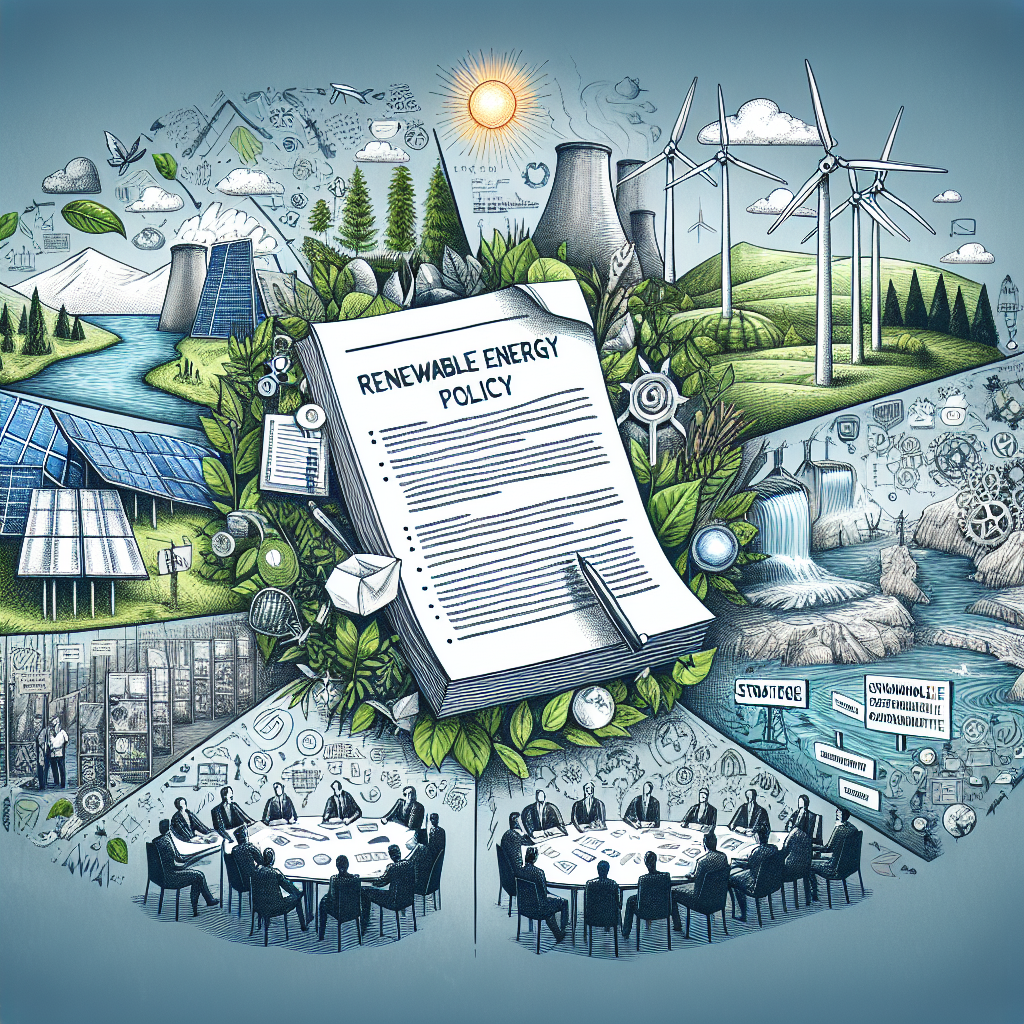
- Country:
- India
In its 2025-26 Economic Survey, India addresses significant advancements and hurdles in renewable energy development. The country's focus on expanding clean energy aligns with its Nationally Determined Contribution (NDC) targets to mitigate global warming impacts.
Despite surpassing non-fossil fuel capacity benchmarks, challenges like material intensity and energy storage needs remain. Critical minerals such as lithium, cobalt, and nickel have become pivotal to India's energy transition, as identified chokepoints influence energy policy and international competitiveness.
The integration of renewable energy sources requires policy measures and capital investment, aiming for sustainable growth and technological innovation. Strategies encompass adopting diverse energy forms from nuclear to battery storage, striving towards a stable, resilient energy system by 2030.
ALSO READ
-
Strategic Synergies: India-US Economic Talks Propel Forward
-
Strengthening Ties: India's FM Meets US Treasury
-
Netflix India's Star-Studded 2026 Slate Unveiled
-
Unveiling 'Operation Safed Sagar': The Untold Heroism of the Indian Air Force
-
Odisha Cheers Historic India-US Trade Deal: A Boost for Local Growth








 Google News