



Sky-High Turbulence: Jet Fuel Costs Shake Up Aviation Industry
The global aviation industry is in turmoil as a sharp rise in jet fuel prices, driven by international conflict, forces airlines worldwide to hike ticket prices and adjust services. Major carriers, from the U.S. to Asia, are revising their financial strategies to manage spiraling operational costs, emphasizing the widespread impact of escalating fuel expenses.
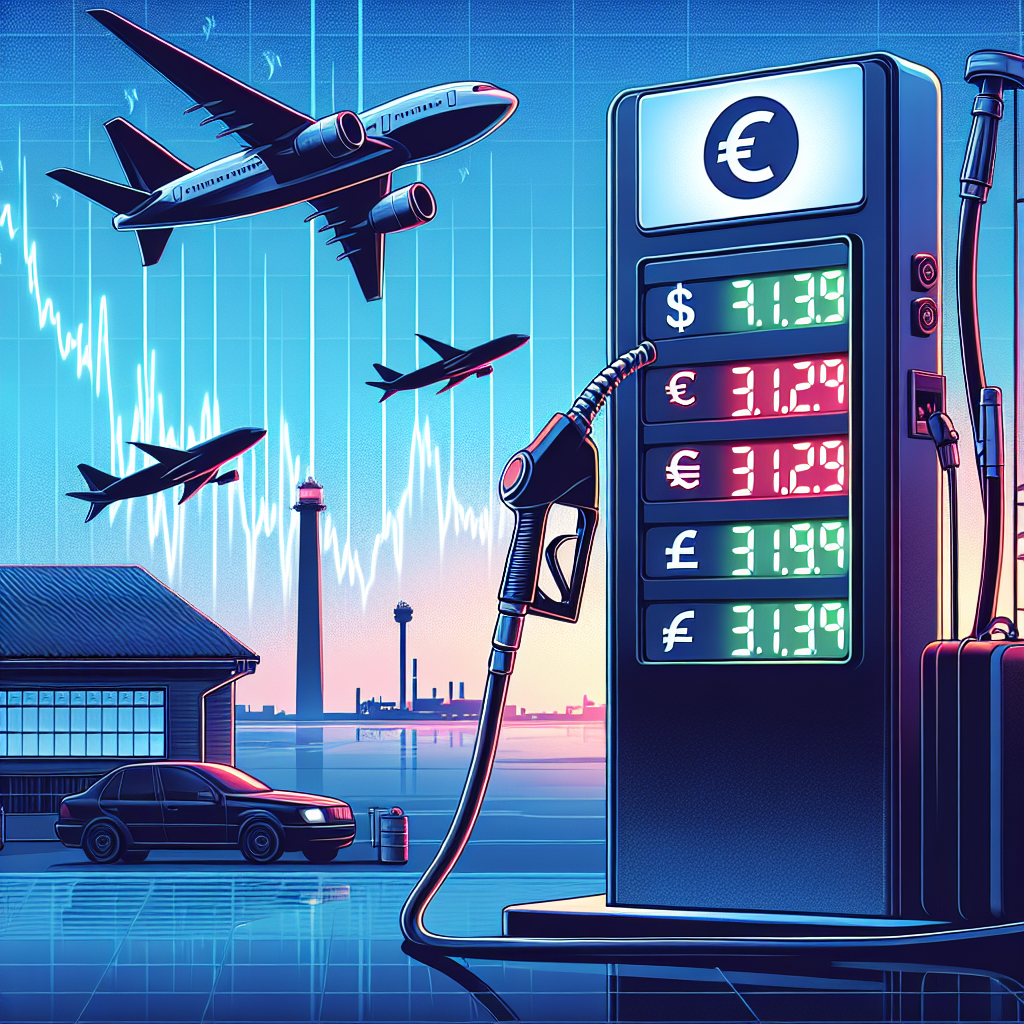
The aviation industry is grappling with unprecedented challenges as skyrocketing jet fuel prices trigger widespread fare hikes and service adjustments. This upheaval is largely attributed to geopolitical tensions impacting fuel supply, pushing prices from $85 to $90 per barrel to as high as $200 per barrel.
Airlines around the globe, including giants like American Airlines and Delta, are implementing measures such as raising baggage fees and cutting less profitable routes to cope with the sudden cost surge. In response to the economic strain, some carriers, such as Greek and Southeast Asian airlines, are even canceling flights and imposing new surcharges.
The ripple effect of these fuel cost spikes is prompting industry-wide re-evaluations of financial outlooks and operational strategies. As the volatility continues, the long-term implications on global travel and economic recovery remain uncertain, forcing airlines to brace for a financially turbulent 2026.
ALSO READ
-
EU Urges Shift from Middle Eastern Jet Fuel Amid Supply Concerns
-
EU Poised for Jet Fuel Release Amid Hormuz Disruption
-
Expanding NATO's Cold War-era Pipeline Network for Jet Fuel Security
-
Poland's Stand: No Jet Fuel Release Amid Iran Conflict
-
Europe Pressed to Tap Strategic Jet Fuel Reserves Amid Crisis







 Google News