



UN Experts Warn France’s Proposed ‘PPL Yadan’ Bill Risks Undermining Free Speech
The bill, known as the “PPL Yadan” Bill and introduced on 19 November 2024, seeks to expand existing criminal provisions related to the “glorification of terrorism.”
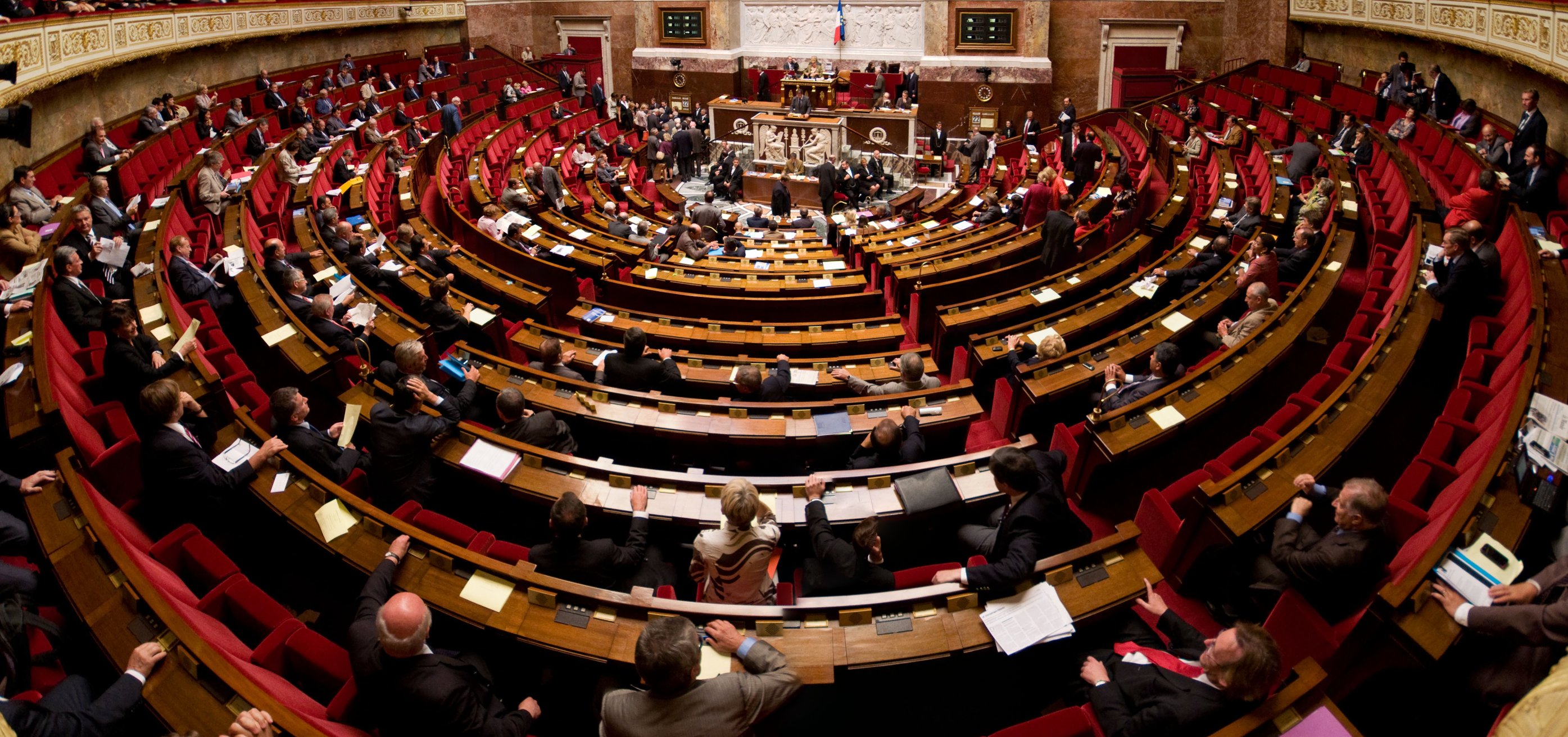
United Nations human rights experts have raised serious concerns over a proposed French law aimed at tackling what it describes as "new forms of antisemitism," warning that the draft legislation could significantly erode freedom of expression, legal clarity, and fundamental human rights protections across Europe.
The bill, known as the "PPL Yadan" Bill and introduced on 19 November 2024, seeks to expand existing criminal provisions related to the "glorification of terrorism." However, UN experts caution that its broad and ambiguous language risks criminalising legitimate political discourse, particularly on sensitive issues such as Israel, Palestine, and Zionism.
Concerns Over Expanding Vague Terrorism Offences
At the heart of the criticism is the bill's attempt to widen the scope of what constitutes incitement to terrorism. Under the proposed legislation, individuals could face criminal penalties not only for explicit incitement but also for "implicit" expressions, as well as statements deemed to "minimise" or "excessively trivialise" acts of terrorism or their perpetrators.
"The proposed expansion is dangerously vague and overbroad," the UN experts said. "It risks creating legal uncertainty and opening the door to arbitrary enforcement."
The experts have previously expressed concern that France's existing offence of "glorification of terrorism" already falls short of international legal standards. The new bill, they argue, would deepen these inconsistencies by further lowering the threshold for criminal liability.
Chilling Effect on Public Debate and Advocacy
A key warning from the UN is that the legislation could have a "chilling effect" on free speech, discouraging open discussion and legitimate criticism—particularly in relation to the Israel-Palestine conflict.
The bill proposes to criminalise public calls for the destruction of a State recognised by France, as well as expressions that could be interpreted as minimising Holocaust crimes "in any form." While acknowledging the importance of combating hate and historical denial, experts argue that the proposed wording lacks precision and could be misused to suppress lawful expression.
"Criminal law should not be used to silence differing views about historical or current events, however controversial or unpopular, unless there is a clear intent to incite violence and a real likelihood that such violence will occur," the experts stated.
They further emphasised that debate around self-determination, statehood, and political independence must remain protected under international human rights law.
Risk of Conflating Antisemitism with Political Criticism
One of the most contentious aspects of the bill is its reliance on an expanded definition of antisemitism, including references aligned with the International Holocaust Remembrance Alliance (IHRA). UN experts warned that this approach risks conflating genuine antisemitic hate with legitimate political criticism.
"By associating antisemitism with a wide range of political expression, the bill risks trivialising real instances of antisemitic hatred and undermining efforts to combat it effectively," they said.
The experts stressed that criticism of Israel or Zionism—particularly in the context of alleged human rights violations—does not inherently constitute antisemitism.
"This distinction is essential to preserve both the fight against discrimination and the integrity of democratic discourse," they added.
Broader Implications for Europe
The warning comes amid growing concerns about shrinking civic space across Europe, where governments are increasingly invoking security and public order to justify restrictions on speech and protest.
According to the UN experts, adopting the PPL Yadan Bill could further contribute to what they describe as a "deeply troubling and repressive climate," particularly affecting activists, journalists, and civil society organisations advocating for Palestinian rights.
"Free expression and open public debate are cornerstones of democratic societies," the experts said. "What is needed is more space for dialogue and understanding—not less."
Balancing Security and Rights
While reaffirming that combating antisemitism and all forms of discrimination is a critical and legitimate objective, the UN experts urged French authorities to ensure that any legislative measures remain firmly aligned with international human rights standards.
They called for a careful reassessment of the bill to avoid unintended consequences that could weaken both civil liberties and the credibility of efforts to address hate and extremism.
A Defining Debate Ahead
As France continues to debate the PPL Yadan Bill, the outcome could have far-reaching implications—not only for national law but also for the broader European approach to balancing security, historical responsibility, and fundamental freedoms.
The UN's intervention signals that the stakes extend beyond domestic policy, touching on core principles of democratic governance and the protection of human rights in an increasingly polarised global landscape.
ALSO READ
-
France Inc Engages with Marine Le Pen: A Shifting Political Dynamic
-
The Imperative of Central Bank Independence: Insights from France
-
France's Organic Food Cartel: A Price Fixing Scandal Unfolds
-
France's World Cup Quest: Chasing a Third Stellar Championship
-
New Antisemitism Laws in Europe: A Double-Edged Sword?







 Google News