



EIB Backs Major Energy Infrastructure Plan to Power Athens’ Expanding Electric Bus Fleet
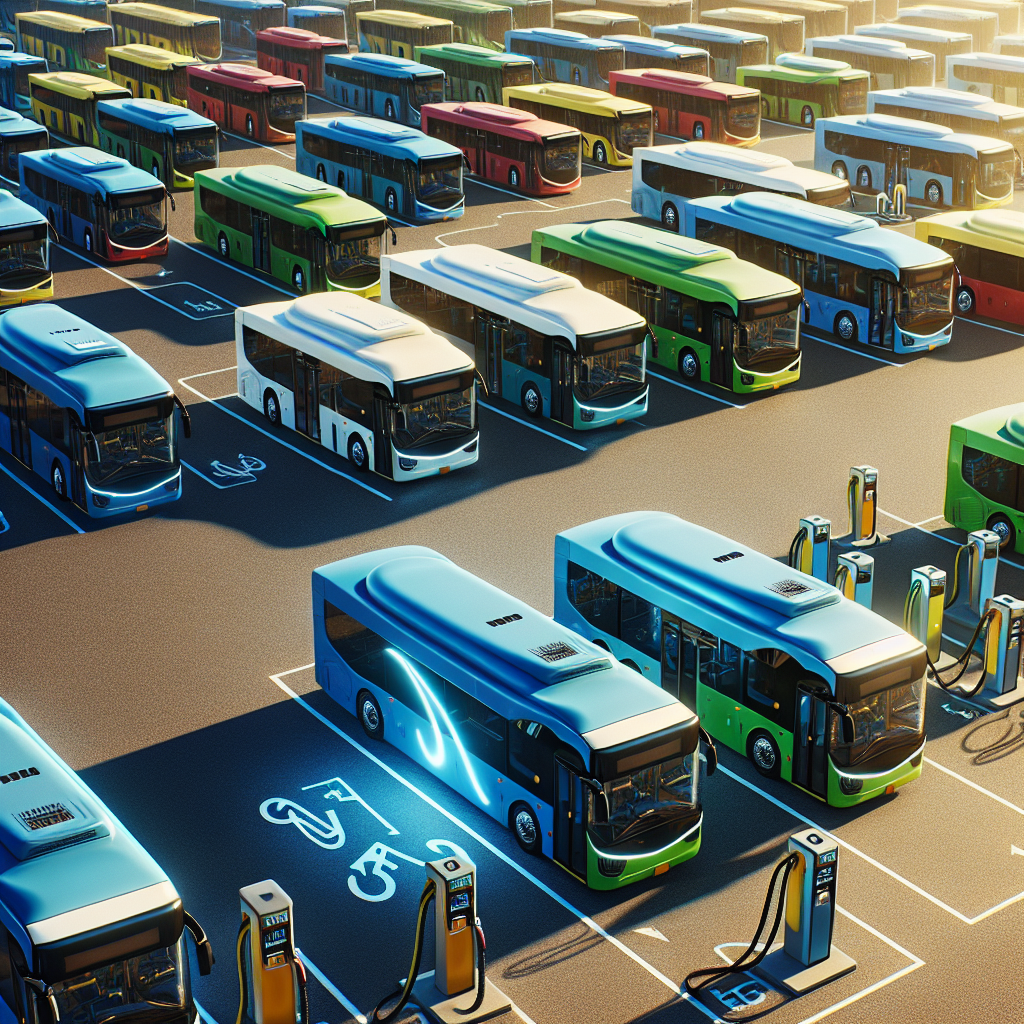
The shift to electric mobility is driving a surge in electricity demand across Athens’ transport system, particularly at bus depots where large fleets require reliable, high-capacity charging.
- Country:
- Greece
Athens is accelerating its transition to clean urban transport, with the European Investment Bank (EIB) stepping in to support a comprehensive energy infrastructure strategy designed to power the city's rapidly growing fleet of electric buses.
Over the past eight years, the EIB has been supporting Greece's Ministry of Infrastructure and Transport and public transport operator OSY S.A. in modernising Athens' bus system. As electric vehicles increasingly replace diesel buses, authorities are now moving to address a critical next step: ensuring sufficient energy supply and charging infrastructure at scale.
From Fleet Expansion to Energy Transformation
The shift to electric mobility is driving a surge in electricity demand across Athens' transport system, particularly at bus depots where large fleets require reliable, high-capacity charging.
In response, the EIB's Advisory Team will work with national and local stakeholders to design a long-term investment programme focused on:
-
Expanding charging infrastructure at bus depots
-
Strengthening energy supply and grid integration
-
Optimising energy management systems
-
Ensuring cost-efficient and sustainable operations
This marks a transition from vehicle procurement to system-wide electrification planning, a key challenge for cities scaling up zero-emission transport.
Strategic Planning and Technical Support
The initiative—launched at the request of the Greek authorities—will provide technical and strategic support to prepare and implement what is described as a complex, multi-phase investment programme.
Key areas of support include:
-
تقييم (assessment) of available technologies and delivery models
-
Development of implementation roadmaps and timelines
-
Exploration of financing structures and investment options
-
Assistance in preparing tendering processes for infrastructure deployment
The Ministry will ensure alignment with national transport and energy strategies, linking the project to Greece's broader climate and sustainability goals.
Over 1,000 New Buses: A Rapid Transformation
Athens is undergoing one of Europe's fastest public transport fleet upgrades. According to officials:
-
The city will soon reach 1,076 new buses
-
A growing share of these vehicles are electric
However, officials stress that fleet modernisation must be matched by robust supporting infrastructure.
"Renewal does not stop at vehicles," said Deputy Transport Minister Konstantinos Kyranakis. "It requires the right infrastructure to ensure reliable, cost-effective, and environmentally friendly operation."
Lower Costs, Cleaner Cities
The development of modern energy systems is expected to deliver multiple benefits:
-
Reduced operational costs through efficient charging systems
-
Lower energy consumption and emissions
-
Improved service reliability for public transport users
-
Long-term savings for taxpayers
By centralising and optimising charging infrastructure, authorities aim to avoid inefficiencies and ensure scalability as the fleet continues to expand.
EIB's Role in Europe's Green Mobility Transition
The EIB has been a key financier and advisor in Europe's transition to sustainable transport, supporting projects that reduce emissions and improve urban mobility.
"The transition to cleaner transport requires careful planning," said EIB Vice-President Yannis Tsakiris. "This partnership supports Greece in building efficient, sustainable public transport systems."
A Model for Urban Electrification
Experts note that Athens' approach reflects a broader trend across Europe: cities are moving beyond vehicle electrification toward integrated energy and transport systems.
Key challenges being addressed include:
-
Managing peak electricity demand
-
Ensuring grid stability
-
Coordinating infrastructure rollout with fleet growth
The Athens programme could serve as a model for other cities facing similar transitions.
As Athens moves toward a cleaner transport future, the focus is shifting from simply buying electric buses to building the infrastructure needed to sustain them. With EIB support, Greece is laying the groundwork for a fully electrified, efficient, and environmentally sustainable urban transport system—one that could redefine mobility in the region.








 Google News