



World Bank Approves $796M Boost to Transform Bahia’s Economy, Infrastructure, and Clean Energy Sector
Brazilian state to accelerate digital access, transport reforms, and green energy transition to drive jobs and competitiveness.
- Country:
- Brazil
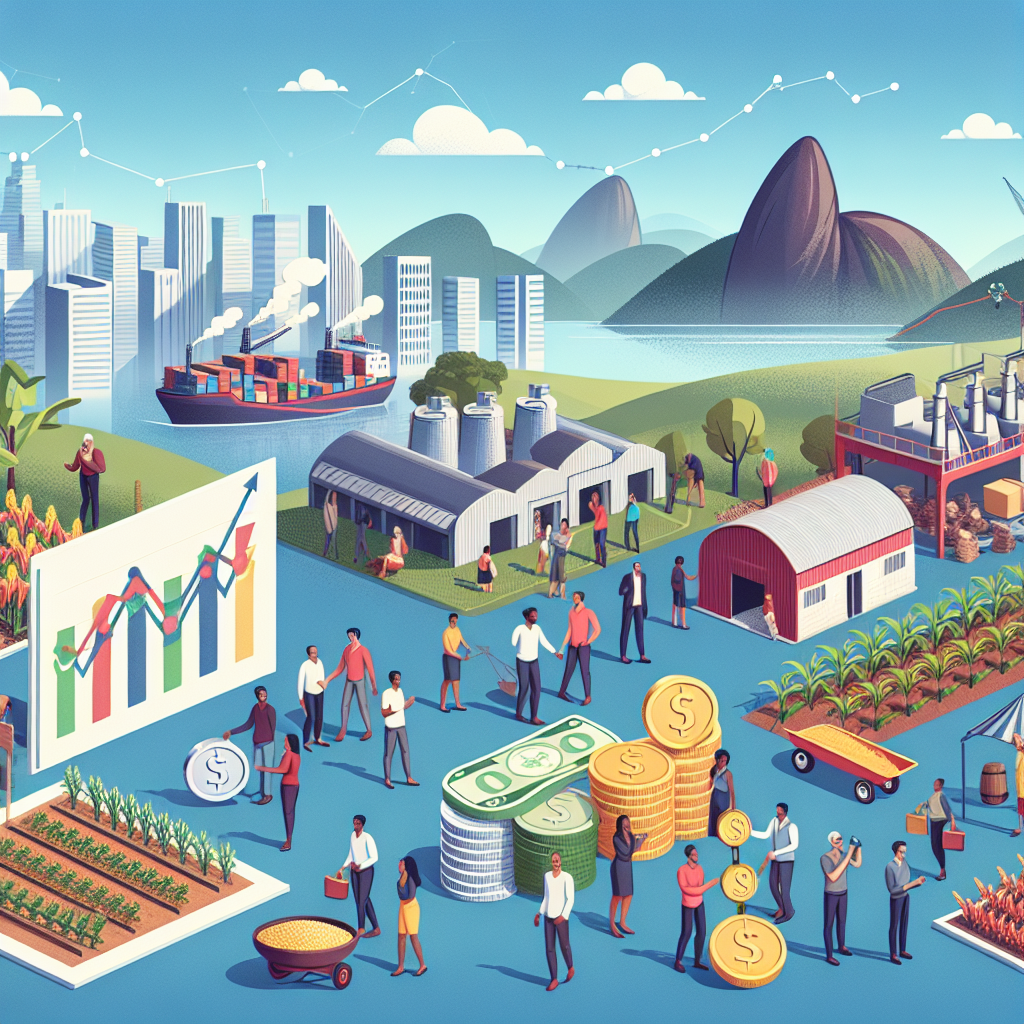
The World Bank has approved a $796 million financing package aimed at transforming the economy of Bahia, one of Brazil's largest and most populous states, through a sweeping set of reforms targeting infrastructure, digital services, and clean energy development.
The operation is designed to enhance economic competitiveness and generate jobs by addressing long-standing structural bottlenecks while positioning Bahia as a leader in Brazil's energy transition.
A Strategic Push to Unlock Growth and Employment
Despite maintaining a relatively strong fiscal performance, Bahia continues to face deep challenges in infrastructure and productivity, limiting its economic potential.
"Bahia lags in economic competitiveness and faces persistent infrastructure gaps," said Cécile Fruman, World Bank Country Director for Brazil.
"The measures supported by this operation are expected to have a transformational impact—boosting job creation, attracting private investment, and reducing costs for residents."
Currently, Bahia ranks:
-
18th out of 27 Brazilian states in road quality
-
23rd in electricity access, highlighting gaps in essential infrastructure
The new funding aims to directly address these constraints while expanding opportunities for both urban and rural populations.
Broad-Based Benefits Across Communities
The programme is expected to deliver tangible improvements for residents across the state, including:
-
Reduced transport costs and shorter commute times
-
Improved access to digital public services
-
Expanded rural electricity coverage
-
New employment opportunities linked to clean energy industries
By combining policy reform with infrastructure investment, the initiative seeks to create both immediate and long-term economic gains.
Three Pillars of Transformation
The World Bank-backed operation is structured around three core reform areas:
1. Modernising Transport and Mobility
The plan introduces innovative approaches to infrastructure delivery, including:
-
Integrated contracting for road construction, incorporating climate risk considerations
-
Leveraging private sector capital and expertise
-
New financing mechanisms to expand and modernise public transport systems
These measures aim to improve connectivity—especially for low-income communities—while reducing travel times and costs.
2. Expanding Safe and Inclusive Digital Access
Recognising the growing importance of digital governance, the operation will:
-
Strengthen data security frameworks for public services
-
Enable secure remote access to government services
-
Improve efficiency and accessibility of digital platforms
This is expected to enhance service delivery, particularly in remote and underserved areas.
3. Accelerating Clean Energy and New Value Chains
A major focus of the programme is to leverage Bahia's strong renewable energy base to drive new industries.
Key initiatives include:
-
Establishing frameworks for electric vehicle (EV) charging infrastructure
-
Promoting low-carbon fuels, including biofuels and biomethane
-
Expanding distributed renewable energy systems in rural communities, including island areas along the São Francisco River
These efforts are expected to:
-
Attract private investment in green industries
-
Generate direct and indirect employment
-
Strengthen Bahia's role in Brazil's clean energy transition
Positioning Bahia as a Green Growth Leader
Bahia already has significant potential in renewable energy, including wind and solar. The World Bank's support aims to convert this advantage into a diversified, job-rich economy.
By building new energy value chains, the state could emerge as a hub for clean technology, sustainable fuels, and green infrastructure.
A Model for Integrated Development
The operation reflects a broader shift in development strategy—combining policy reform, infrastructure investment, and private sector mobilisation to deliver inclusive growth.
By aligning transport, digitalisation, and energy transition efforts, the programme aims to create a multiplier effect across sectors, boosting productivity and resilience.
Looking Ahead
As Brazil continues to pursue sustainable development and climate goals, Bahia's transformation could serve as a model for other regions facing similar challenges.
If successfully implemented, the initiative has the potential to not only improve living standards but also position Bahia as a competitive, future-ready economy within Latin America.
ALSO READ
-
World Bank Backs $627M Clean Energy Push in Brazil’s Amazon to Power Jobs and Expand Electricity Access
-
Papua New Guinea Urged to Transform Resource Wealth into Human Capital to Unlock Jobs Boom: World Bank Review
-
Marco Bezzecchi Shines with Fourth Consecutive MotoGP Triumph in Brazil
-
Brazilian MotoGP Triumph: Bezzecchi’s Unstoppable Streak
-
Marquez Triumphs in Brazilian GP Sprint After Di Giannantonio's Slip








 Google News