



UN Experts Warn AfDB’s Mozambique Gas Project Could Deepen Human Rights and Climate Risks
The experts have called for an immediate reassessment of the project, urging the Bank to halt funding for fossil fuel expansion in line with global climate and human rights obligations.
- Country:
- Ivory Coast
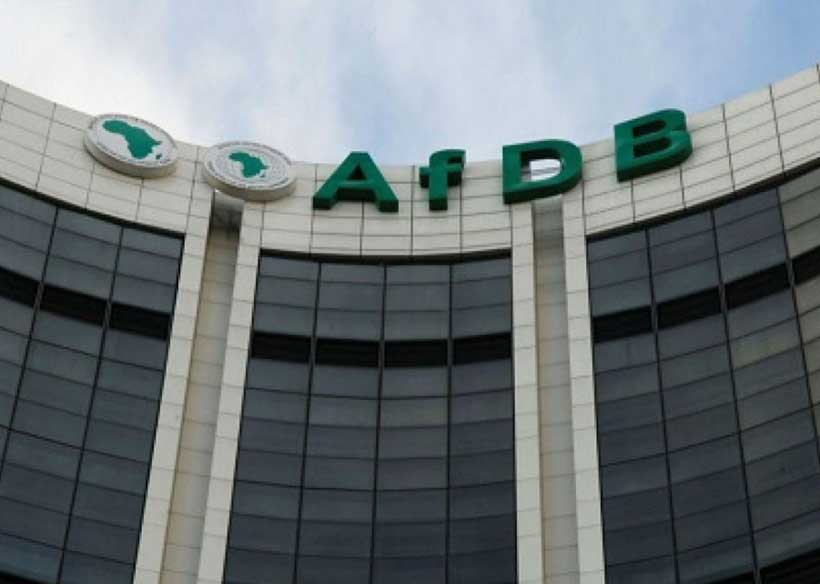
United Nations human rights experts have raised serious concerns over the African Development Bank's (AfDB) approval of a USD 150 million loan for the Coral North Floating Liquefied Natural Gas (FLNG) Project in northern Mozambique, warning that the move could intensify human rights violations, environmental damage, and climate risks.
The experts have called for an immediate reassessment of the project, urging the Bank to halt funding for fossil fuel expansion in line with global climate and human rights obligations.
Mounting Concerns Over Human Rights Impacts
The Coral North project, located offshore in Cabo Delgado province, is set to expand Mozambique's liquefied natural gas sector—an industry already under scrutiny for its social and economic impacts.
UN experts highlighted that previous LNG developments in the region have been marked by:
-
Inadequate community consultation, limiting local participation in decision-making
-
Loss of livelihoods, particularly among fishing and farming communities
-
Long-term socioeconomic disruption, with minimal local economic benefit
-
Limited job access, due to high illiteracy rates and skills gaps
These challenges are unfolding in a region already destabilised by armed conflict, insurgency, and climate-induced disasters, which have collectively displaced thousands of people.
"The offshore project could compound long-standing human rights challenges," the experts warned, pointing to the risk of further marginalisation of vulnerable communities.
Climate Risks and Environmental Fallout
Beyond social concerns, the experts stressed that the project could significantly worsen the climate crisis.
The Coral North FLNG initiative is expected to:
-
Increase greenhouse gas emissions, including methane leaks
-
Contribute to air and marine pollution
-
Accelerate environmental degradation in a climate-vulnerable region
This comes at a time when Mozambique is already facing severe climate shocks, including cyclones, flooding, and rising temperatures.
"Expanding fossil fuel infrastructure at this stage risks locking in high-emissions pathways incompatible with the 1.5°C global warming limit," the experts said.
Questions Over AfDB Policy Alignment
The UN experts also questioned the consistency of AfDB's decision with its own Climate Change and Green Growth Strategy (2021–2030), as well as broader international commitments.
They noted potential conflicts with:
-
The UN Guiding Principles on Business and Human Rights
-
Emerging global legal standards, including the International Court of Justice's climate advisory opinion
-
The global imperative to transition away from fossil fuels this decade
"We are deeply concerned that a leading multilateral development bank would finance a project of this nature when the harmful consequences of fossil fuel expansion are well understood," the experts stated.
Call to Redirect Investment Toward Renewables
A central criticism is the allocation of scarce public funds toward fossil fuel development instead of renewable energy solutions.
The experts argue that such investments risk:
-
Delaying the transition to clean energy systems
-
Undermining sustainable development goals
-
Increasing long-term economic and environmental costs
They urged AfDB to prioritise investments in renewable energy, climate resilience, and community development, particularly in regions already facing compounding crises.
Ongoing Engagement with Stakeholders
The UN experts confirmed they are in active communication with both the African Development Bank and the Government of Mozambique to address the concerns raised.
Their intervention signals growing international scrutiny of fossil fuel financing by development institutions, particularly in vulnerable regions where the stakes—both human and environmental—are exceptionally high.
A Defining Test for Development Finance
The controversy surrounding the Coral North project underscores a broader global debate: whether development finance institutions can reconcile economic growth objectives with urgent climate and human rights commitments.
As pressure mounts, the AfDB's next steps could set an important precedent for how multilateral banks navigate the transition to a low-carbon, rights-based development model.








 Google News