



Flight Fares Soar Amidst Middle East Conflict
Air New Zealand has increased fares in response to the Middle East conflict, reflecting rising jet fuel costs due to surging oil prices. The airline raised ticket prices on domestic, short-haul, and long-haul routes. High fuel costs impact global travel, with potential further economic consequences for airlines.
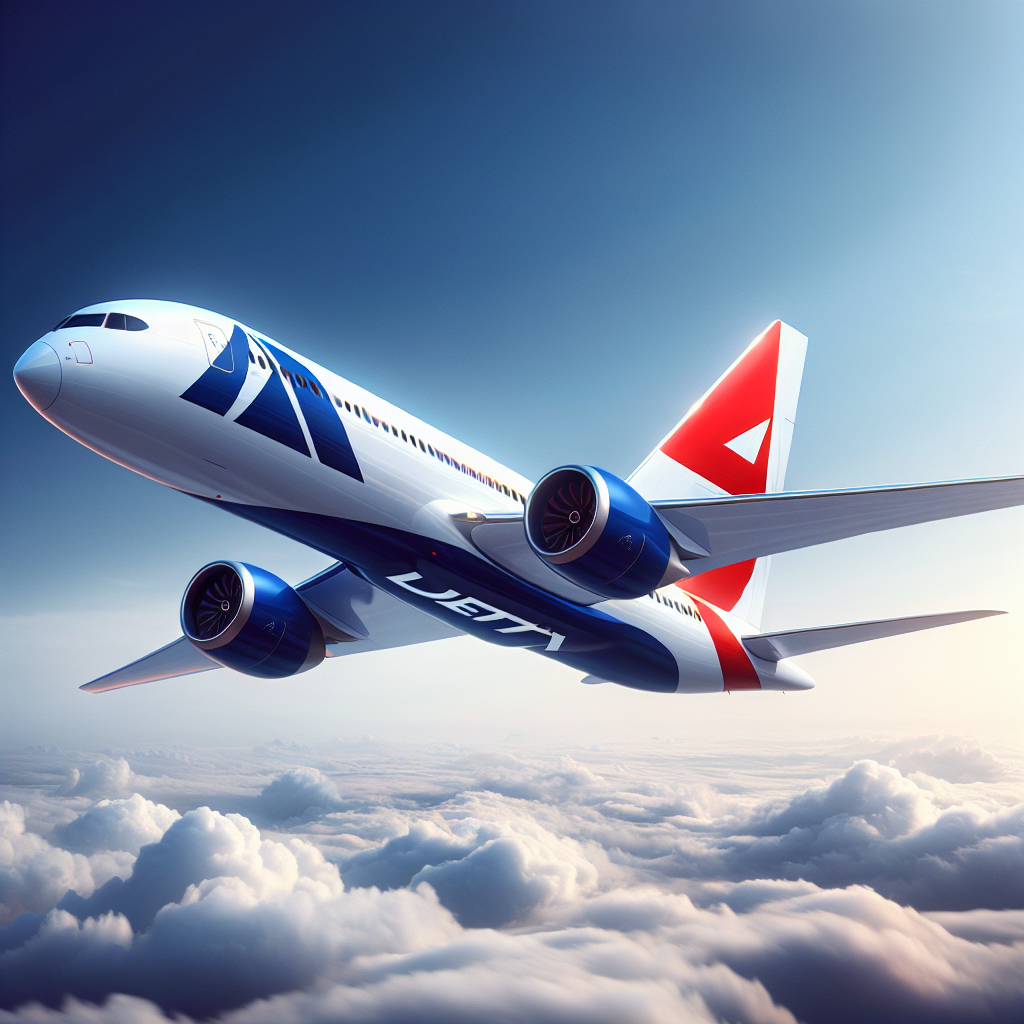
Air New Zealand has announced a fare hike, citing the ongoing Middle East conflict as the primary catalyst for increased fuel costs. The flag carrier has raised prices on domestic and international routes, marking one of the first widespread fare increases since the conflict began.
Jet fuel prices have risen sharply, from an average of $85 to $90 per barrel to as much as $200, creating uncertainty for airlines. Although Air New Zealand has not faced fuel supply disruptions, it's working with suppliers and the government to stay prepared for further fluctuations.
High oil prices coupled with airspace closures pose significant challenges for the travel industry, driving ticket prices up and affecting airlines worldwide. The conflict's impact extends beyond fare hikes, threatening to disrupt tourism and prompting airlines to adjust their routes and financial outlooks.
ALSO READ
-
Oil Surge Impacts Global Airlines: Fare Hikes and Travel Challenges
-
Asia Braces for Middle East Conflict Fallout
-
US Patriot Missiles Redeployed from South Korea Amid Middle East Conflict
-
Asian Stock Surge as Middle East Conflict Shows Hope of Resolution
-
Escalating Middle East Conflict Sends Shockwaves Through Global Markets








 Google News