



ILO Initiative Empowers Informal Women Workers in Bihar Through Cooperative Model for Sustainable Livelihoods
The initiative is not only about economic upliftment but also about strengthening women’s agency in the workforce.
- Country:
- India
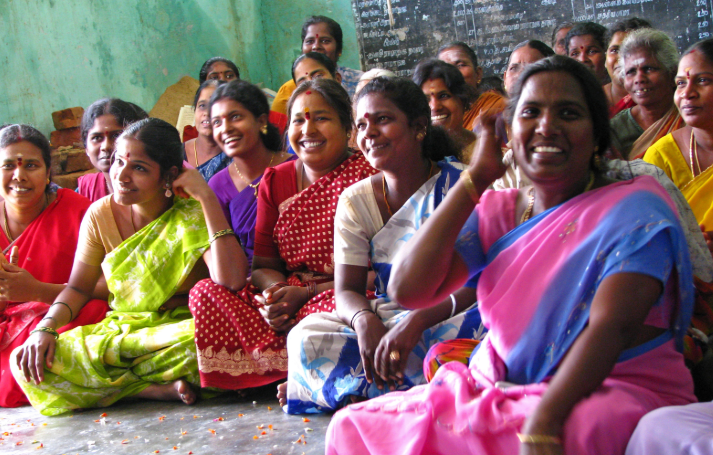
Domestic and informal workers in Bihar are gaining new pathways to economic empowerment and social protection through a pioneering cooperative-based initiative led by the International Labour Organization (ILO) in partnership with the Indian National Trade Union Congress (INTUC).
The initiative, part of the ILO's Promoting Rights and Social Inclusion through Organization and Formalization (PRS) Phase II Project, is helping women workers transition from vulnerable, informal employment into collective, member-owned enterprises, offering greater financial stability, bargaining power, and dignity at work.
First-of-Its-Kind Cooperative Model in Bihar
This marks the first structured effort in Bihar to introduce cooperative enterprise models specifically tailored for domestic and informal workers—groups traditionally excluded from formal labour protections and stable income opportunities.
The programme combines two flagship ILO training methodologies:
-
Think.Coop: A globally recognised training framework that builds capacity to create and manage sustainable cooperatives
-
Think.CareCoop: A specialised adaptation designed for care workers, addressing the unique challenges of the care economy
The initiative has been implemented with active support from the Cooperative Department and Labour Department of the Government of Bihar, signalling growing institutional backing for formalising informal labour.
Training Reaches Dozens of Women Workers
The programme has already reached a significant number of participants across the state:
-
22 women workers trained in Patna (18–19 November 2025)
-
60 participants trained in Gaya (15–16 March 2026), including workers and community leaders
Through interactive workshops, participants were introduced to the fundamentals of cooperative enterprise development, including governance, financial management, and collective decision-making.
Building Women's Agency and Collective Strength
The initiative is not only about economic upliftment but also about strengthening women's agency in the workforce.
"The ILO's PRS Phase II Project and INTUC are strengthening women's agency and decent work for informal workers in Bihar by initiating a state-level cooperative," said Chandra Prakash Singh, President of INTUC Bihar.
By organising into cooperatives, women workers can:
-
Negotiate fair wages and working conditions
-
Reduce dependence on exploitative intermediaries
-
Access better market opportunities
-
Build collective resilience against economic shocks
Innovative Business Models Emerging
Participants developed a range of community-driven business ideas during the training sessions, reflecting both local needs and economic potential.
Key proposed initiatives include:
-
Collective care services for households and offices, ensuring fair pay and formalised working conditions
-
Community-based childcare centres, aimed at reducing unpaid care burdens on women
-
Tiffin services, providing affordable and nutritious meals while generating income
Beyond care services, participants also explored home-based enterprises, such as:
-
Bangle making
-
Salon and beauty services
-
Tailoring and garment work
These cooperative ventures aim to create sustainable livelihood opportunities while fostering local entrepreneurship.
Reducing Informality, Expanding Opportunities
A key objective of the initiative is to reduce informality in the labour market, which remains widespread in Bihar and across India.
By formalising work through cooperative structures, the programme seeks to:
-
Improve income security
-
Enhance access to social protections
-
Promote inclusive economic growth
The cooperative model also enables workers to retain greater control over their work and earnings, addressing long-standing inequities in informal employment sectors.
A Scalable Model for Inclusive Growth
The success of this pilot initiative could pave the way for state-level and national expansion, offering a replicable model for empowering informal workers across India.
As governments and international organisations increasingly focus on inclusive development, cooperative enterprises are emerging as a viable solution to bridge the gap between informal work and formal economic participation.
With continued support and scaling, initiatives like this could transform livelihoods for thousands of workers—particularly women—by turning vulnerability into collective strength and opportunity.
ALSO READ
-
Revamping Security and Regulations at Banke Bihari Temple: A New Era of Devotee Management
-
Nitish Kumar's Transition: From Bihar to Rajya Sabha
-
ILO Calls for Urgent Overhaul of Global Social Protection Systems Amid Rising Economic Uncertainty
-
Bomb Threat Shakes Bihar Legislative Assembly
-
Nitish Kumar's Political Odyssey: From Bihar CM to Rajya Sabha MP








 Google News