



ILO Calls for Urgent Overhaul of Global Social Protection Systems Amid Rising Economic Uncertainty
The report calls for a systematic expansion of social protection coverage to ensure that all workers—regardless of employment type—are protected.
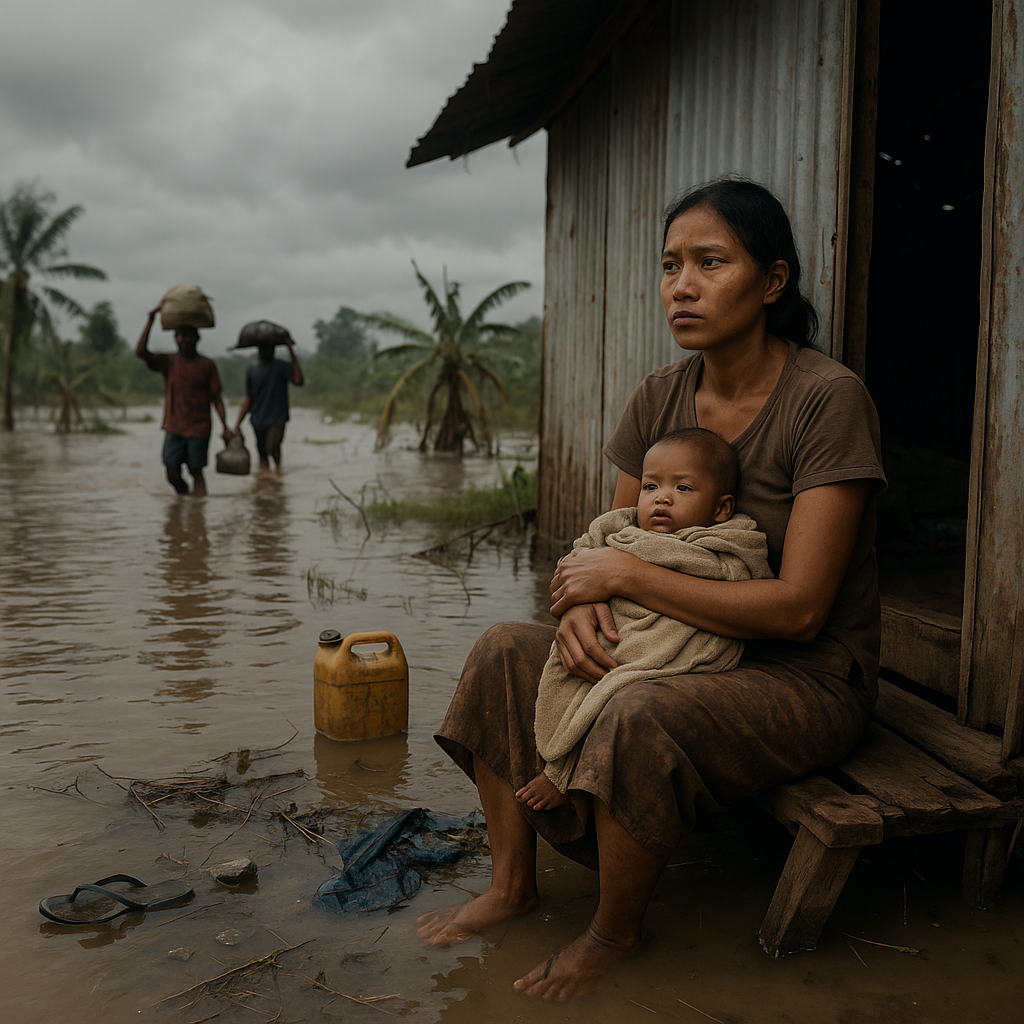
A new report by the International Labour Organization (ILO) has issued a stark warning that millions of workers worldwide remain dangerously exposed to economic shocks, urging governments to strengthen and expand social protection systems to keep pace with rapidly changing labour markets.
The report, Universal social protection in changing labour markets: Protecting workers in all types of employment, highlights deep and persistent gaps in coverage, benefit adequacy, and financing—gaps that risk widening inequalities in an increasingly volatile global economy.
Millions Left Unprotected Across Evolving Labour Markets
The ILO stresses that current systems are failing to adequately protect workers in non-standard forms of employment, including:
-
Temporary and part-time workers
-
Self-employed individuals
-
Workers in informal sectors such as agriculture and domestic work
-
Employees in micro- and small enterprises
These groups often fall outside traditional social insurance frameworks, leaving them vulnerable to income shocks, illness, unemployment, and old-age poverty.
The report calls for a systematic expansion of social protection coverage to ensure that all workers—regardless of employment type—are protected.
Extending coverage, the ILO notes, can also support broader economic goals by facilitating transitions from informal to formal employment, strengthening productivity and economic stability.
From Minimal Safety Nets to Comprehensive Protection
Beyond expanding access, the report emphasises the urgent need to improve the adequacy and scope of benefits.
Many existing systems provide only minimal or short-term support, which is insufficient to prevent poverty or help workers recover from economic shocks.
The ILO argues for a shift toward comprehensive, life-cycle-based protection systems that support individuals through key transitions, including:
-
Entry into the labour market
-
Job changes and unemployment
-
Parenthood and caregiving responsibilities
-
Periods of illness or disability
-
Retirement and old age
Such systems, the report notes, are essential for reducing vulnerability and ensuring long-term social and economic resilience.
Financing the Future of Social Protection
A central challenge identified in the report is the need for sustainable and equitable financing.
The ILO outlines a multi-pronged approach that includes:
-
Strengthening domestic resource mobilisation, particularly through social security contributions
-
Expanding progressive taxation to support redistribution
-
Providing public subsidies to include workers with limited ability to contribute
This approach aims to balance financial sustainability with inclusivity, ensuring that protection systems are both robust and accessible.
For countries with limited fiscal capacity, the report underscores the importance of international support and solidarity, particularly in responding to crises and building foundational systems.
Adapting to a Changing World of Work
The report situates social protection within the broader context of global transformation, noting that climate change, technological disruption, and demographic shifts are reshaping labour markets at an unprecedented pace.
In this environment, strong social protection systems are not just safety nets—they are critical tools for adaptation and resilience.
They enable workers and businesses to:
-
Navigate economic transitions
-
Shift to more sustainable and green jobs
-
Cope with shocks such as pandemics or financial crises
-
Maintain social cohesion in times of change
A Call to Action for Governments Worldwide
The ILO's message is clear: without decisive reforms, existing gaps in social protection will continue to leave millions behind.
By expanding coverage, improving benefit adequacy, and securing sustainable financing, governments can build systems that not only protect workers but also support inclusive and resilient economic growth.
As labour markets continue to evolve, the report underscores that universal social protection is no longer optional—it is essential for ensuring dignity, stability, and opportunity for all workers.
ALSO READ
-
ILO Initiative Empowers Informal Women Workers in Bihar Through Cooperative Model for Sustainable Livelihoods
-
India's Path to Robust Social Protection: ADB's Vision
-
Indian Railways Loco Pilots Face Overwork Amid Freight Success
-
ILO Calls for Urgent Reforms to Pacific Labour Migration Schemes to Boost Worker Rights
-
Tragedy in the Mediterranean: The Perilous Journey of Migrants








 Google News