



UNHCR Warns Middle East Conflict May Trigger New Afghan Return Crisis
According to UNHCR, around 110,000 Afghans have returned from Iran so far this year, with approximately 1,700 people crossing the border daily since the start of the conflict in the Middle East.
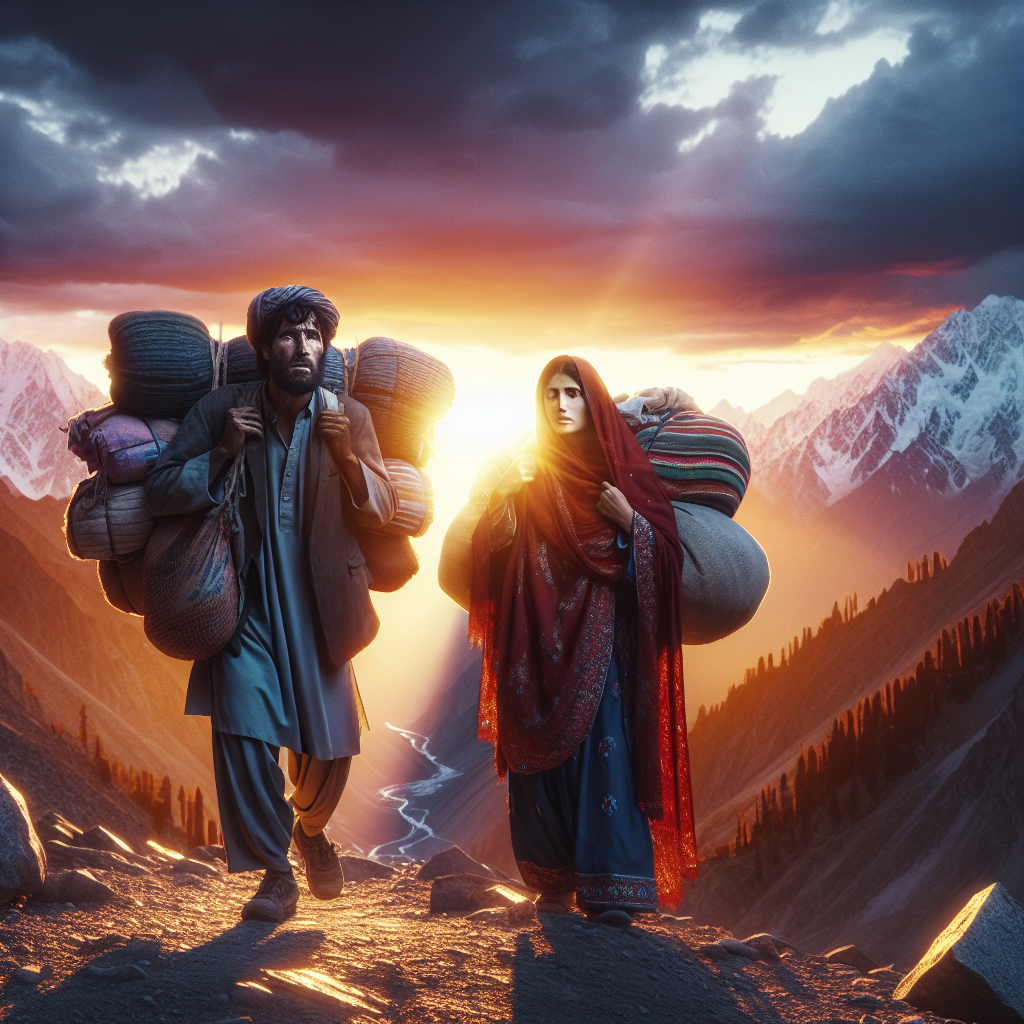
- Country:
- Afghanistan
The United Nations High Commissioner for Refugees (UNHCR) has warned that escalating hostilities in the Middle East and a deteriorating protection environment in the region could trigger new waves of Afghan returns under increasingly difficult conditions from neighbouring countries.
The agency said rising insecurity and economic pressure are already forcing many Afghans to leave host countries such as Iran and Pakistan, raising concerns about the humanitarian impact inside Afghanistan.
Rising Returns from Iran
According to UNHCR, around 110,000 Afghans have returned from Iran so far this year, with approximately 1,700 people crossing the border daily since the start of the conflict in the Middle East.
Although border crossings currently remain orderly, humanitarian workers report growing anxiety among returnees.
People arriving at the border say they have been directly affected by bombings, while others cite rising living costs and economic hardship as reasons they can no longer remain in Iran.
UNHCR warned that if regional tensions continue to escalate, much larger movements could occur in the coming weeks.
Years of Large-Scale Returns
Afghanistan has already experienced an unprecedented wave of return migration.
Over the past two years, more than 5 million Afghans have returned from neighbouring countries. In 2025 alone, nearly 1.9 million people returned from Iran, placing immense strain on communities already struggling with economic hardship and humanitarian needs.
Many of the people returning today have experienced multiple cycles of displacement.
Some first fled Afghanistan years ago due to conflict, were later displaced within Iran due to regional instability, and are now being forced to return once again.
Upon returning to Afghanistan, many families face severe uncertainty, limited economic opportunities and fragile living conditions.
Growing Pressure at Afghanistan's Borders
While attention has focused on the Iran-Afghanistan border, UNHCR also highlighted the fragile situation along the Pakistan-Afghanistan border.
So far this year, more than 160,000 Afghans have returned from Pakistan.
Although return movements have slowed in recent weeks, the main crossing point at Torkham remains closed due to tensions, raising concerns that crossings could surge once the border reopens.
Humanitarian Agencies Scaling Up Response
UNHCR and its humanitarian partners—including UNICEF—are strengthening their presence along border crossings and inside Afghanistan to respond to potential increases in arrivals.
Last year alone, UNHCR and its partners assisted more than 2 million Afghans through protection services, financial support and assistance at border crossing points.
The agency says it has the infrastructure and experienced personnel needed to respond to large-scale returns, but warned that financial resources remain a critical constraint.
Call for Protection and International Support
UNHCR stressed that Afghans must continue to have access to protection in neighbouring countries, warning against forced returns.
The agency reiterated that any return must be:
-
Voluntary
-
Safe
-
Dignified
-
Sustainable
"No one in need of international protection should be forced to return to a place where their rights or freedoms may be at risk," the agency said.
With the possibility of rising returns and limited humanitarian funding, UNHCR called for urgent international support to ensure refugees and returnees receive protection and assistance.
The agency said additional funding will be essential to sustain operations across the region while also supporting communities in Afghanistan that are absorbing large numbers of returning families.
ALSO READ
-
Escalating Tensions: Middle East Conflict Threatens Global Oil Industry
-
European Shares Slide Amid Middle East Conflict Fallout
-
Market Jitters Amid Middle East Conflict and Inflation Worries
-
Global Oil Price Turmoil as Middle East Conflict Intensifies
-
Turbulent Markets: Global Shares Jitter as Middle East Conflict Sparks Inflation Fears








 Google News