



$27.6 Million Boost to Rebuild Cyclone-Hit Hawke’s Bay Marae in Safer Locations
Cyclone Gabrielle, which struck in February 2023, caused widespread destruction across Hawke’s Bay, with flooding and landslides devastating homes, infrastructure, and community facilities.
- Country:
- New Zealand
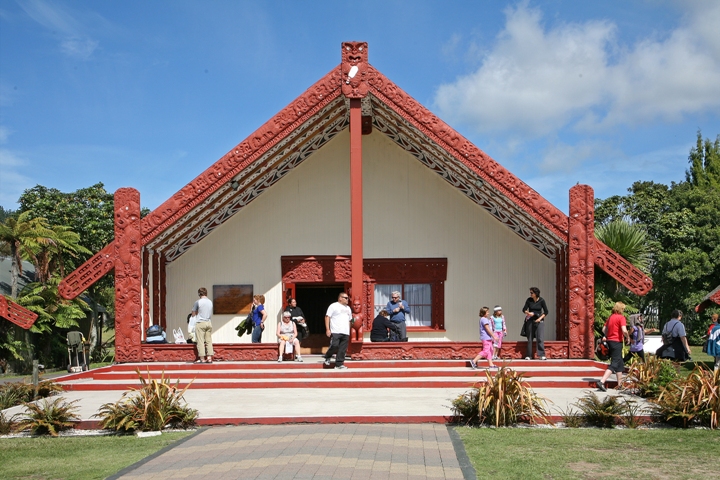
In a significant step toward rebuilding and future-proofing community infrastructure in Hawke's Bay, the Government has committed $27.6 million to relocate and reconstruct two marae severely damaged during Cyclone Gabrielle—ensuring they can continue to serve as critical hubs for whānau and emergency response.
Māori Development Minister Tama Potaka announced the funding as part of the Whenua Māori and Marae Pathway, a targeted initiative focused on restoring culturally significant assets while improving resilience against future natural disasters.
Rebuilding After Devastation
Cyclone Gabrielle, which struck in February 2023, caused widespread destruction across Hawke's Bay, with flooding and landslides devastating homes, infrastructure, and community facilities.
Among the hardest hit were Petāne Marae and Tangoio Marae, both of which were later classified as Category 3 sites—indicating that their original locations face unacceptable long-term risk from hazards such as flooding and land instability.
Under the new investment:
-
$11.54 million has been allocated to rebuild Petāne Marae
-
$16.06 million will fund the relocation and reconstruction of Tangoio Marae
"These marae were not just buildings—they were lifelines during the cyclone," Mr Potaka said. "This investment ensures they can continue to play that role safely into the future."
Marae at the Heart of Emergency Response
During Cyclone Gabrielle and other severe weather events, marae across the region became frontline emergency hubs, providing:
-
Shelter for displaced families
-
Food and essential supplies
-
Community coordination and care
Their role highlighted the importance of culturally grounded, community-led response systems in times of crisis.
"Marae are central to how communities come together—especially in emergencies. Strengthening them is strengthening resilience," Mr Potaka said.
New Sites, Safer Futures
Both marae have now identified new locations designed to mitigate future risks and support long-term sustainability.
-
Petāne Marae will be rebuilt at 253 Onehunga Road, north of Napier, with design work already underway
-
Tangoio Marae has selected 139 Beach Road as its preferred new site following land acquisition and detailed assessments
These locations have been chosen based on geotechnical safety, flood resilience, and accessibility, ensuring the rebuilt marae can withstand future extreme weather events.
Investing in Cultural Infrastructure and Community Wellbeing
The relocation and rebuild programme goes beyond physical reconstruction—it represents an investment in cultural continuity, social cohesion, and community wellbeing.
Marae serve multiple roles, including:
-
Cultural and spiritual centres
-
Venues for education, gatherings, and ceremonies
-
Emergency response and recovery hubs
By securing safer sites, the Government aims to ensure these functions are protected for future generations.
"This funding provides certainty for trustees and whānau, allowing them to plan, design, and rebuild with confidence," Mr Potaka said.
Climate Resilience Driving Infrastructure Decisions
The decision to relocate rather than rebuild on existing sites reflects a broader shift in infrastructure planning across New Zealand, where climate resilience and risk reduction are increasingly central.
Data from recent extreme weather events shows that:
-
Flood-prone and unstable land is becoming increasingly vulnerable
-
Rebuilding in high-risk zones leads to repeated damage and higher long-term costs
-
Strategic relocation can significantly reduce future disaster impacts
The Category 3 classification of both marae underscores the urgency of moving critical infrastructure out of high-risk areas.
Strengthening Hawke's Bay for the Future
Hawke's Bay remains one of the regions most affected by Cyclone Gabrielle, with recovery efforts continuing across housing, transport, and community infrastructure.
The marae rebuild initiative is part of a wider effort to:
-
Restore essential services
-
Enhance disaster preparedness
-
Support long-term regional recovery
"Relocating and rebuilding these marae will not only restore what was lost—it will create stronger, safer foundations for communities across Hawke's Bay," Mr Potaka said.
As reconstruction plans move forward, the project stands as a powerful example of how targeted investment, cultural leadership, and resilience planning can come together to rebuild communities stronger than before.








 Google News