



UN Experts Condemn Taliban Ban on Women in UN Offices, Warn of ‘Severe Humanitarian Consequences’
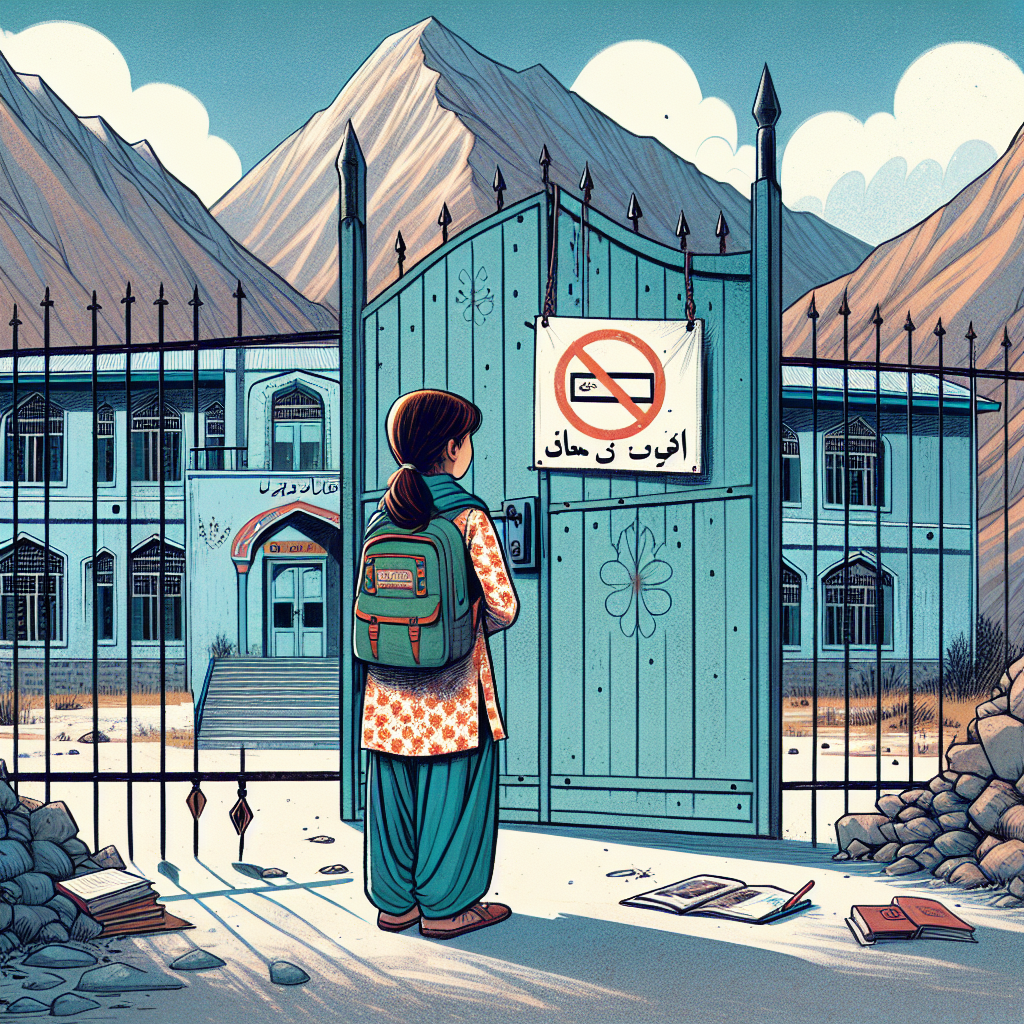
The restrictions, in place since September 2025, prevent Afghan women—including UN national staff, contractors, and visitors—from entering UN offices and compounds.
- Country:
- Afghanistan
United Nations human rights experts have issued a strong warning over the Taliban's continued ban on Afghan women accessing UN premises, calling the policy a "direct attack" on fundamental rights and a serious threat to humanitarian operations across Afghanistan.
The restrictions, in place since September 2025, prevent Afghan women—including UN national staff, contractors, and visitors—from entering UN offices and compounds. Experts say the move represents a sharp escalation in the systematic exclusion of women from public and professional life since the Taliban's return to power in 2021.
"Outrageous and Unlawful": UN Experts Speak Out
"It is outrageous that armed soldiers are policing the gates of UN compounds to prevent women from entering," the experts said in a joint statement.
They stressed that the ban violates core international legal principles, particularly the right to work, and cannot be justified on cultural, religious, or administrative grounds.
"Barring women from UN offices is a direct attack on women's rights," the experts said. "It is unacceptable and unlawful under international law."
A Broader Pattern of Systematic Exclusion
The UN experts placed the current ban within a wider framework of restrictions imposed over the past four years, including:
-
Removal of women from public sector employment
-
Restrictions on participation in civil society and NGOs
-
Limits on access to education and professional opportunities
-
Increasing barriers to humanitarian and development work
These policies have significantly worsened the socio-economic conditions of Afghan women, many of whom were already vulnerable due to poverty, displacement, and conflict.
Humanitarian Operations at Risk
The ban is having immediate and far-reaching consequences for aid delivery in Afghanistan—particularly in sectors where women play an essential role.
"In a society where it is imperative that women deliver services to women, life-saving aid is being compromised," the experts warned.
Key impacts include:
-
Disruption of healthcare services for women and girls
-
Reduced effectiveness of humanitarian aid distribution, especially in conservative regions
-
Constraints on protection services, including support for survivors of violence
-
Slower response to natural disasters and emergencies
Women and girls are disproportionately affected, as cultural norms in many areas require female staff to engage directly with female beneficiaries.
A Threat to UN Operations and Global Norms
The experts highlighted that the ban undermines the ability of the United Nations to operate effectively in Afghanistan.
"The UN cannot function in accordance with its Charter when women are deliberately excluded," they said.
Afghanistan remains one of the world's most critical humanitarian contexts, with millions of people reliant on international aid, making the disruption of UN operations particularly concerning.
Call for Unified Global Response
UN experts are urging a coordinated and firm international response to pressure the Taliban to reverse the restrictions.
They called on:
-
UN agencies, funds, and programmes to adopt a unified and principled stance
-
The UN Secretary-General to lead a system-wide response
-
Member States to apply sustained diplomatic pressure
"A fragmented approach will only weaken the impact," the experts warned. "A unified response is essential."
Afghan Women Continue to Serve Despite Risks
Despite mounting restrictions, Afghan women have continued to support their communities—often at significant personal risk.
"Afghan women have never stopped serving," the experts said. "They need support, solidarity, and the ability to work safely and with dignity."
Their role remains critical not only for humanitarian delivery but also for maintaining social resilience in a country facing overlapping crises, including economic collapse, climate shocks, and ongoing instability.
Legal and Ethical Implications
The experts reiterated that the ban constitutes:
-
A violation of international human rights law
-
A breach of non-discrimination principles
-
A direct challenge to the UN's operational integrity and values
They warned that continued enforcement could further isolate Afghanistan internationally and deepen its humanitarian crisis.
The escalating restrictions on Afghan women's participation in UN operations mark a critical juncture for both humanitarian action and global human rights enforcement. As pressure builds on the international community to respond, the future of aid delivery—and the rights of millions of Afghan women—hang in the balance.
"Standing with Afghan women is not optional," the experts concluded. "It is essential to protecting human rights, sustaining humanitarian efforts, and safeguarding Afghanistan's future."
ALSO READ
-
Pakistan and Afghanistan's Taliban governments have resumed peace talks in China, Pakistani officials tell AP.
-
Pakistan-Afghanistan Jirga Calls for Peaceful Resolution
-
Afghanistan's Unyielding Struggle: Nature's Wrath Amid Climate Challenges
-
Devastating Monsoon Wreaks Havoc in Afghanistan and Pakistan
-
Afghanistan's Battle With Extreme Weather: A Growing Crisis








 Google News