



Minister Majodina to Handover Borehole in Bronkhorstspruit to Boost Water Access
Participants are expected to pledge their commitment to accelerating opportunities for women and building a more inclusive and equitable water industry.
- Country:
- South Africa
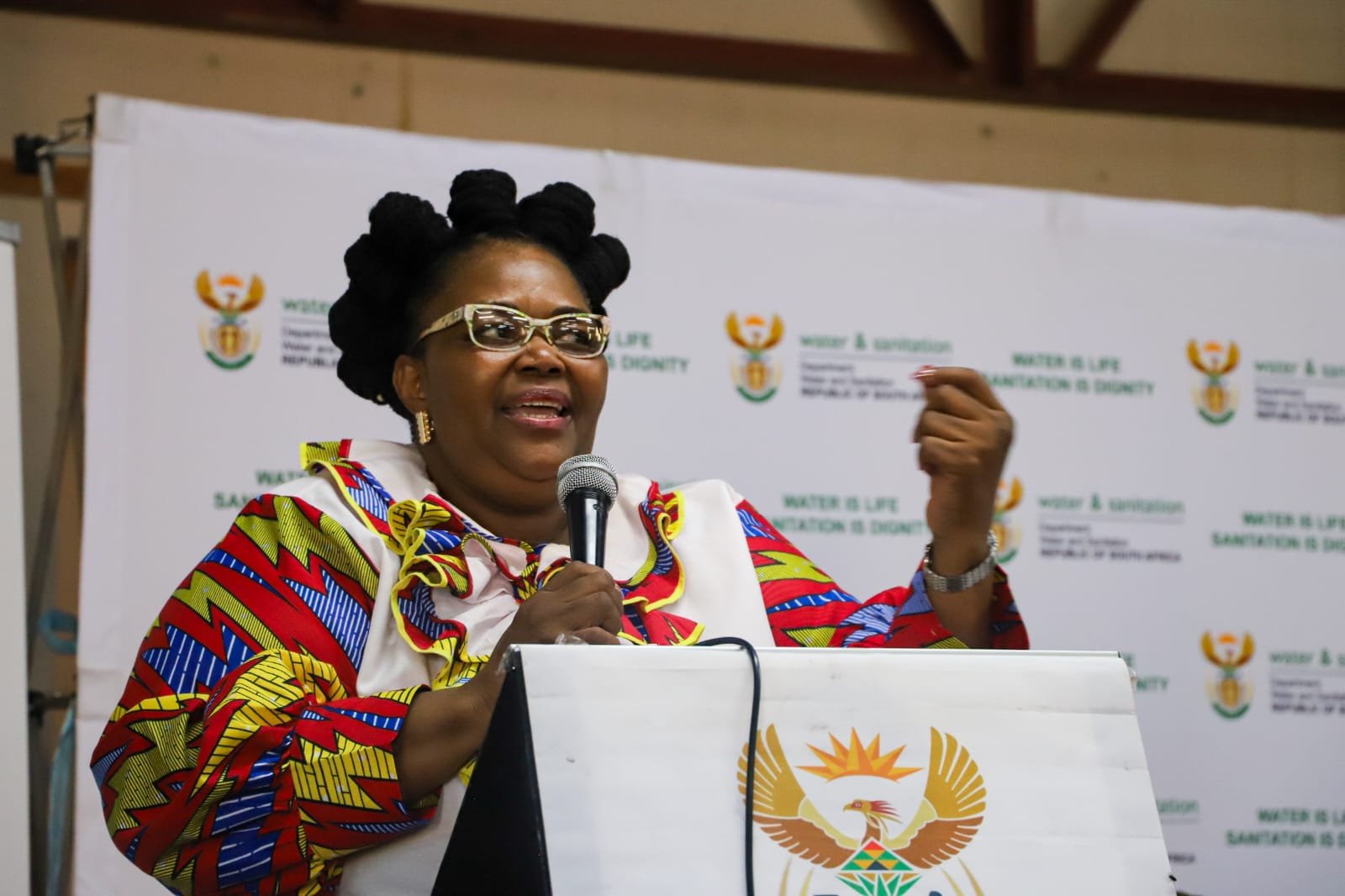
Water and Sanitation Minister Pemmy Majodina is set to officiate the handover of a newly completed borehole in Bronkhorstspruit, Tshwane, as part of government efforts to improve water supply in the area.
The handover will take place at the Indlu Yokuthula Service Center in Sokhulumi, Bronkhorstspruit, under the Department of Water and Sanitation's International Women's Day 2026 Ministerial Engagement and Water Month Flagship Programme.
Improving Local Water Access
According to the Department of Water and Sanitation, the borehole project forms part of broader government interventions aimed at expanding reliable access to water in communities facing supply challenges.
Officials said the initiative not only addresses immediate water needs but also serves as a platform to strengthen sustainable Water, Sanitation and Hygiene (WASH) initiatives while advancing women's empowerment in the sector.
"This milestone not only improves local water access but also provides an opportunity to mobilise support for the Sector Wide Women in Water Programmatic Approach 2026–2030," the department said.
Promoting Women's Leadership in the Water Sector
The Sector Wide Women in Water Programmatic Approach seeks to strengthen gender mainstreaming across the water and sanitation sector, while promoting women's participation in leadership, entrepreneurship, skills development, and economic opportunities.
The ministerial engagement will bring together women leaders from across the water sector, including representatives from water boards and entities, business leaders, private sector partners, non-governmental organisations, civil society groups, rural women representatives, and educational institutions.
Participants are expected to pledge their commitment to accelerating opportunities for women and building a more inclusive and equitable water industry.
Addressing South Africa's Water Challenges
The event comes amid growing national concern over water supply challenges. During the State of the Nation Address last month, President Cyril Ramaphosa identified water security as one of the country's most pressing issues affecting both urban and rural communities.
The President announced the establishment of a National Water Crisis Committee, which he will personally chair to improve coordination and accelerate responses to water shortages.
"We have all seen the pain that our people have been expressing through demonstrations in various parts of Gauteng. These protests have been fuelled by frustrations over inadequate and unreliable access to basic services such as water," Ramaphosa said.
He explained that the committee will bring together existing initiatives under a single coordinating structure, deploying technical experts and national resources to assist municipalities experiencing water supply problems.
Aligning with National and Global Observances
The programme is being held during National Water Month, which highlights the importance of water as a constitutional human right in South Africa, while also drawing attention to the country's ongoing water scarcity challenges.
It also coincides with International Women's Day on 8 March, which focuses on gender equality and women's empowerment, particularly in sectors such as water and sanitation where women play critical roles.
The initiative further aligns with the United Nations World Water Day 2026 theme "Water and Gender," with the slogan "Where Water Flows, Equality Grows."
The theme emphasises a rights-based approach to water governance, encouraging governments worldwide to place women and girls at the centre of water solutions and ensure their leadership and participation in water decision-making.








 Google News