



‘Big Catch-Up’ Vaccination Drive Reaches 18.3 Million Children: Major Global Health Milestone Post-Pandemic
A defining achievement of the initiative was its focus on so-called “zero-dose children”—those who had never received a single vaccine.
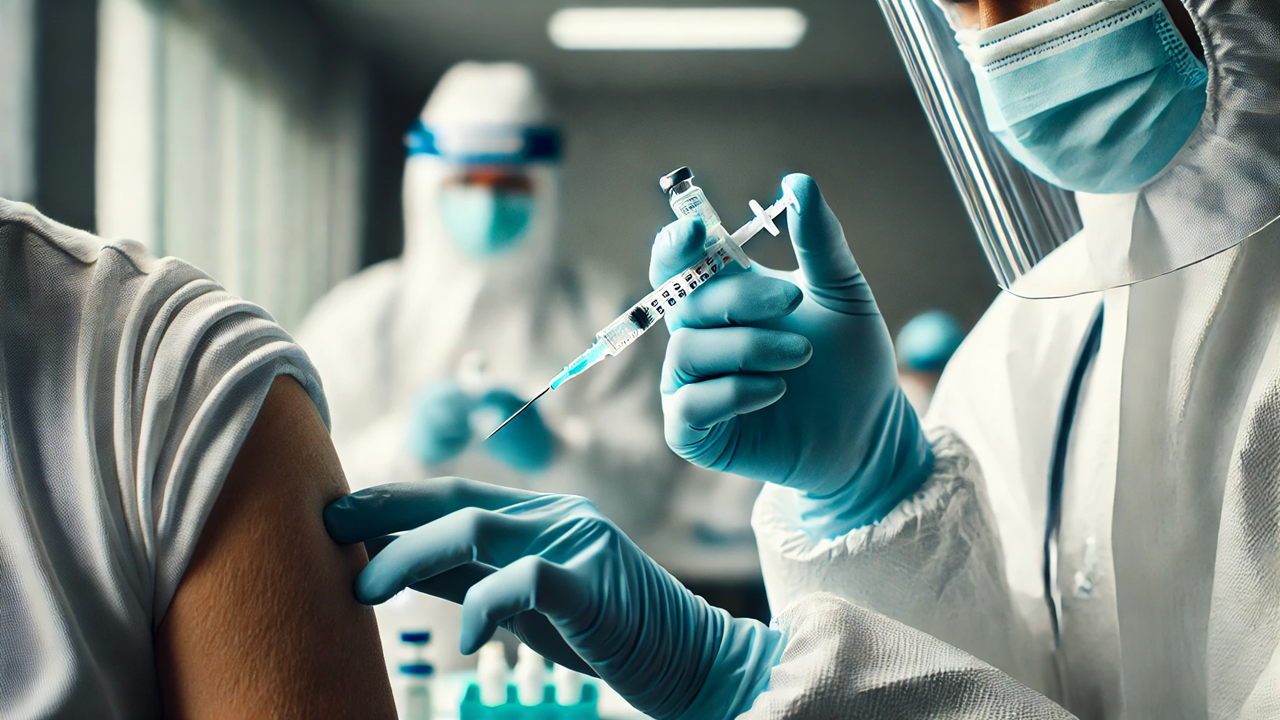
In one of the largest coordinated immunisation efforts in recent history, the global "Big Catch-Up" (BCU) initiative has successfully delivered life-saving vaccines to an estimated 18.3 million children aged 1 to 5 across 36 countries, helping to reverse the sharp decline in immunisation coverage caused by the COVID-19 pandemic.
Announced by Gavi, the Vaccine Alliance, the World Health Organization (WHO), and UNICEF at the start of World Immunization Week 2026, the multi-year programme administered over 100 million vaccine doses between 2023 and early 2026—closing critical immunity gaps in some of the world's most vulnerable communities.
Reaching the 'Missed Millions'
A defining achievement of the initiative was its focus on so-called "zero-dose children"—those who had never received a single vaccine. Of the total children reached:
-
12.3 million were zero-dose children
-
15 million had never received a measles vaccine
-
23 million doses of inactivated polio vaccine (IPV) were administered
The programme, which concluded implementation on 31 March 2026, is expected to ultimately meet its ambitious target of reaching at least 21 million un- and under-immunized children, with final data still being compiled.
Closing the Global Vaccine Equity Gap
The BCU initiative specifically targeted 36 countries across Africa and Asia, which collectively account for 60% of all zero-dose children globally. These regions have been disproportionately affected by fragile health systems, conflict, and pandemic-related disruptions that left millions of children without routine vaccinations.
For the first time, the programme systematically extended immunisation efforts beyond infancy, focusing on children aged 1 to 5 years who had missed critical vaccines during their first year of life—a group often overlooked in traditional immunisation strategies.
Countries reported significant progress:
-
Ethiopia vaccinated over 2.5 million zero-dose children and delivered millions of polio and measles doses
-
Nigeria reached 2 million previously unvaccinated children with essential vaccines
-
12 countries achieved coverage of over 60% of zero-dose children under five
These gains highlight the effectiveness of targeted, large-scale interventions when backed by political will, funding, and community engagement.
Strengthening Health Systems for the Future
Beyond immediate vaccination campaigns, the Big Catch-Up invested heavily in long-term system strengthening, including:
-
Training health workers to identify and vaccinate missed children
-
Updating national immunisation policies and age eligibility guidelines
-
Improving data systems to track coverage gaps
-
Engaging communities and civil society to rebuild trust in vaccines
These measures are designed to ensure that countries can sustain immunisation gains and prevent future backsliding.
Dr. Tedros Adhanom Ghebreyesus, WHO Director-General, emphasized that the initiative has helped reverse one of the pandemic's most damaging consequences—disrupted health services.
Warning Signs: Millions Still Unprotected
Despite the programme's success, global health agencies warn that major challenges remain. In 2024 alone, an estimated 14.3 million infants worldwide did not receive a single vaccine, underscoring persistent gaps in routine immunisation systems.
The consequences are already visible:
-
Measles cases surged to around 11 million globally in 2024
-
The number of countries experiencing large outbreaks has nearly tripled since 2021
Experts caution that while catch-up campaigns are essential, they are resource-intensive and not a long-term substitute for strong routine immunisation programmes.
Global Leaders Call for Sustained Investment
Health leaders are urging governments and international partners to build on the momentum of the Big Catch-Up by investing in resilient, equitable immunisation systems.
"Vaccinations save lives… but many more children remain out of reach," said UNICEF Executive Director Catherine Russell, stressing the need for sustained commitment, especially as vaccine confidence declines in some regions.
Gavi CEO Dr. Sania Nishtar described the initiative as proof of what is possible when global partnerships align around a shared goal of protecting the most vulnerable.
A Defining Moment for Global Immunisation
The campaign aligns with the broader Immunisation Agenda 2030 (IA2030) and Gavi's upcoming 2026–2030 strategy, both of which prioritise reaching zero-dose children and closing equity gaps in underserved communities.
Marking World Immunization Week (24–30 April 2026) under the theme "For every generation, vaccines work," global agencies are calling for renewed urgency to expand coverage across all age groups.
The Road Ahead
While the Big Catch-Up represents a major milestone in global health recovery, its legacy will depend on whether countries can transition from emergency campaigns to consistent, routine immunisation systems that reach every child—especially in conflict-affected and hard-to-reach regions.
Without sustained effort, experts warn, the world risks losing hard-won gains and facing renewed outbreaks of preventable diseases.
ALSO READ
-
People of Punjab will not forgive the betrayal of Rajya Sabha MPs who quit AAP: Sanjay Singh.
-
Those who tortured BJP workers will not be spared; they will be jailed after poll results are out: Amit Shah at rally in Bengal's Hingalganj.
-
The Bahamas Eliminates Mother-to-Child HIV Transmission, Certified by WHO
-
Empowering Women: Ladies Who Lead's Multi-City Initiative
-
Zetexa Leads in eSIM Wholesale Innovation with Scalable Technology Stack








 Google News