



The Bahamas Eliminates Mother-to-Child HIV Transmission, Certified by WHO
With this certification, The Bahamas joins an elite group of 12 countries and territories in the Americas that have successfully eliminated vertical transmission of HIV.
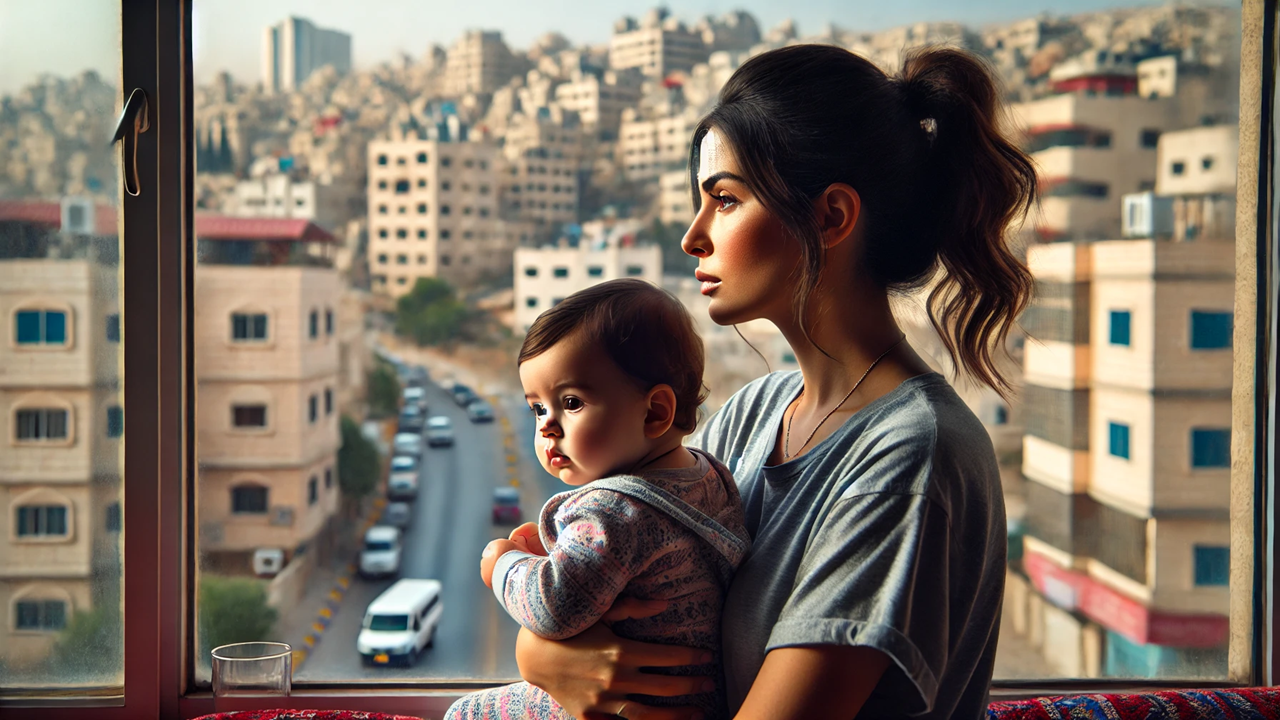
In a landmark public health achievement, the World Health Organization (WHO) has officially certified The Bahamas as having eliminated mother-to-child transmission (MTCT) of HIV, placing the island nation among a select group of global leaders in the fight against HIV/AIDS.
The milestone underscores years of sustained political commitment, strong healthcare systems, and coordinated international partnerships, marking a transformative step toward ending HIV as a public health threat.
"I congratulate The Bahamas on this outstanding achievement," said WHO Director-General Dr Tedros Adhanom Ghebreyesus. "By ensuring that children are born free of HIV, we are securing a healthier, brighter future for the next generation."
A Regional Leader in HIV Elimination
With this certification, The Bahamas joins an elite group of 12 countries and territories in the Americas that have successfully eliminated vertical transmission of HIV. The region has emerged as a global leader in this effort, with pioneers such as Cuba—the first country in the world to achieve certification—and Brazil, which followed recently.
"Latin America and the Caribbean continue to lead with ambition and determination," said Anurita Bains of UNICEF. "This is a legacy of leadership that inspires the world."
How The Bahamas Achieved the Breakthrough
At the core of The Bahamas' success is a comprehensive, inclusive healthcare model that ensures universal access to maternal and HIV services. Key pillars of the strategy include:
-
Universal antenatal care for all pregnant women, regardless of nationality or legal status
-
Routine HIV testing at first antenatal visit and again in the third trimester
-
A robust, integrated laboratory network enabling early detection and monitoring
-
Immediate access to antiretroviral therapy (ART) for HIV-positive mothers
-
Provision of pre-exposure prophylaxis (PrEP), including for pregnant women
-
Continuous monitoring and care for both mothers and exposed infants
These interventions are embedded within the country's Maternal and Child Health (MCH) programme, working in close coordination with the National Infectious Disease Programme.
To ensure continuity of care, the health system also provides:
-
Multi-month dispensing of HIV medicines
-
Free access to STI treatment and family planning services
-
Ongoing surveillance and follow-up for at-risk populations
"This achievement reflects the dedication of our healthcare professionals across the country," said Dr Michael Darville, Minister of Health and Wellness. "From community clinics to tertiary hospitals, every level of the system has contributed to this success."
Meeting WHO's Strict Certification Criteria
To achieve WHO certification, countries must meet and sustain rigorous benchmarks, including:
-
Reducing mother-to-child transmission rates to below 2%
-
Recording fewer than 5 new pediatric HIV cases per 1,000 live births
-
Achieving 95% or higher coverage in antenatal care, HIV testing, and treatment
The Bahamas not only met these thresholds but demonstrated sustained performance over time—one of the most challenging aspects of certification.
A Model for Global Health Systems
Public health experts say The Bahamas' approach offers a scalable model for other nations, particularly in ensuring equitable access to care regardless of socioeconomic or legal status.
"This achievement shows what is possible when political will, investment in primary healthcare, and community engagement come together," said Winnie Byanyima, Executive Director of UNAIDS. "When women can test early, access treatment, and remain in care, every child has the chance to be born free of HIV."
Part of a Broader Elimination Agenda
The success is also part of the EMTCT Plus Initiative, a regional programme aimed at eliminating mother-to-child transmission of multiple diseases, including:
-
HIV
-
Syphilis
-
Hepatitis B
-
Congenital Chagas disease
Led by the Pan American Health Organization (PAHO) in collaboration with WHO, UNICEF, and UNAIDS, the initiative forms part of a wider goal to eliminate more than 30 communicable diseases in the Americas by 2030.
"This milestone is not just a national achievement—it is a platform for future progress," said Dr Jarbas Barbosa, PAHO Director. "It strengthens momentum to eliminate HIV and other diseases across the region."
Sustaining the Gains
While certification marks a major success, health authorities emphasise the importance of maintaining vigilance. Sustained investment in primary healthcare, surveillance systems, and public awareness will be essential to prevent resurgence.
The Bahamas has committed to continuing its integrated care approach, ensuring that elimination is not only achieved but maintained.
A Turning Point in the Fight Against HIV
Globally, approximately 1.3 million women living with HIV give birth each year, making prevention of mother-to-child transmission a critical pillar in ending the epidemic. Without intervention, transmission rates can range from 15% to 45%, but with effective treatment, the risk can be reduced to below 1%.
The Bahamas' achievement demonstrates that elimination is not only possible—but sustainable.
"This is a powerful reminder that ending HIV transmission is within reach," Dr Tedros said. "The Bahamas has shown the world how it can be done."








 Google News