



WHO Issues Global Handbook to Help Countries Eliminate Hepatitis
The publication aims to help countries translate WHO’s global guidance into practical actions to accelerate progress toward eliminating viral hepatitis as a public health threat by 2030.
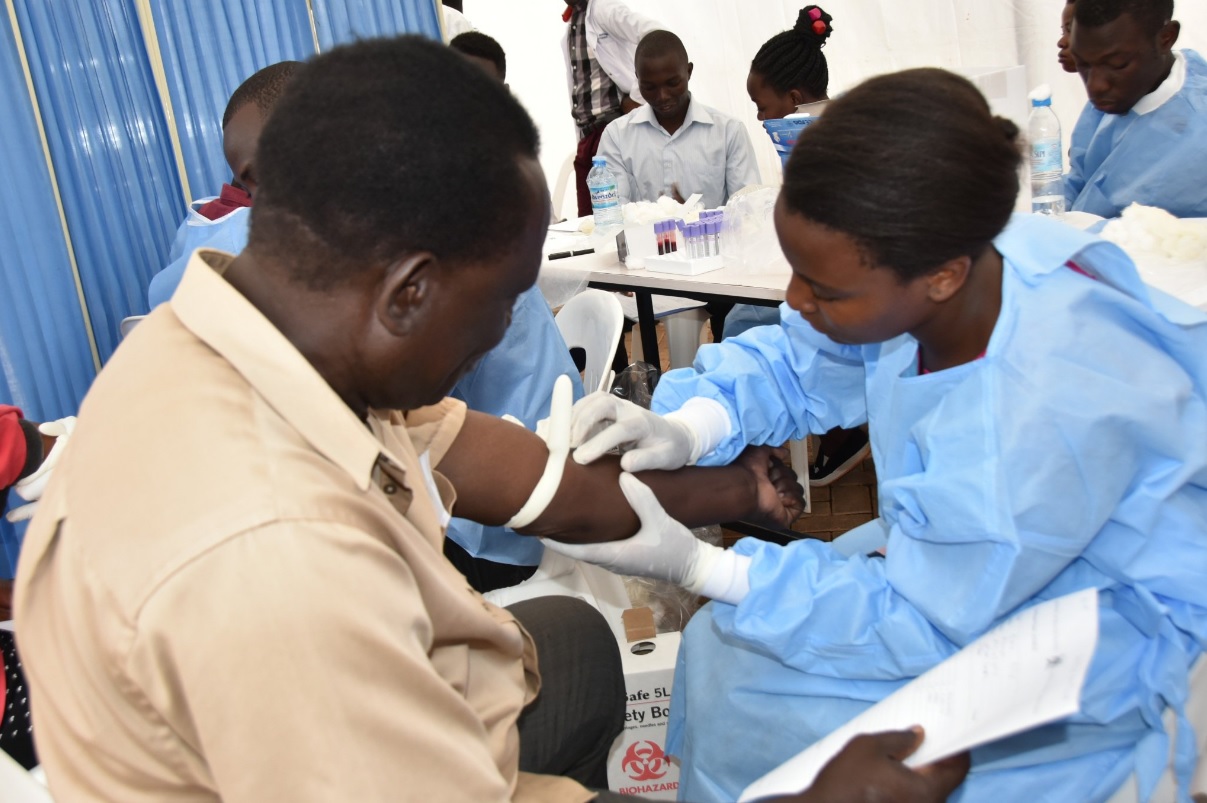
The World Health Organization (WHO) has released a landmark Consolidated Guidance and Implementation Handbook on Hepatitis B and C, designed to help countries expand prevention, testing, treatment and monitoring through a comprehensive public health approach.
The handbook marks 10 years since the adoption of WHO's first Global Health Sector Strategy on viral hepatitis, bringing together more than a decade of evidence-based recommendations into a single operational guide for policymakers, clinicians and programme managers.
The publication aims to help countries translate WHO's global guidance into practical actions to accelerate progress toward eliminating viral hepatitis as a public health threat by 2030.
A Major Global Health Challenge
Despite the availability of effective prevention and treatment tools, viral hepatitis remains one of the world's leading infectious disease threats.
According to WHO estimates:
-
254 million people are living with hepatitis B
-
50 million people are living with hepatitis C
In 2022 alone, hepatitis-related liver cirrhosis and liver cancer caused around 1.3 million deaths worldwide, equivalent to more than 3,500 deaths every day.
These figures highlight the urgent need to strengthen global efforts to prevent infections and expand access to treatment.
Turning Evidence into Action
WHO officials say the new handbook provides practical implementation guidance to help countries convert global recommendations into real-world health programmes.
"With this first-of-its-kind handbook, WHO is supporting countries to move from evidence-based recommendations to concrete action—reducing new hepatitis infections and combating rising mortality," said Dr Tereza Kasaeva, Director of WHO's Department for HIV, Tuberculosis, Hepatitis and Sexually Transmitted Infections.
"The handbook provides clear implementation pathways to expand equitable, person-centred hepatitis services at all levels of the health system."
Consolidating Global Hepatitis Guidance
The handbook consolidates more than 80 WHO evidence-informed recommendations issued between 2015 and 2025, covering hepatitis B, C and D.
It is designed as a modular and practical resource for governments, health agencies and development partners working to strengthen national hepatitis programmes.
Key Areas of Action
The new guidance outlines priority actions across several critical areas of hepatitis prevention and treatment.
These include:
Preventing New Infections
The handbook provides operational guidance on preventing mother-to-child transmission of hepatitis B, including the birth-dose vaccination for newborns.
It also emphasizes broader prevention strategies such as:
-
Safe blood transfusion systems
-
Injection safety in healthcare settings
-
Harm reduction services for people who inject drugs
Expanding Testing and Treatment
The handbook promotes public health approaches to hepatitis testing, including:
-
Point-of-care testing
-
Reflex testing to simplify diagnosis
-
Simplified treatment pathways that can be implemented at multiple levels of healthcare systems
These strategies aim to expand access to treatment, particularly in low- and middle-income countries.
Integrating Hepatitis into Primary Health Care
WHO highlights the central role of primary health care systems in achieving hepatitis elimination.
The guidance encourages countries to integrate hepatitis services within primary care and universal health coverage platforms, improving accessibility and efficiency.
Strengthening Monitoring and Accountability
The handbook also includes tools to help countries establish person-centred monitoring systems to track programme performance and improve accountability.
These systems can help governments identify gaps in service delivery and ensure more effective national responses.
Accelerating the 2030 Elimination Goal
WHO is working with governments and international partners to scale up adoption of the handbook and support implementation at the national level.
The organization says expanding equitable, integrated and person-centred hepatitis services will be essential to achieving the global goal of eliminating viral hepatitis as a public health threat by 2030.
By consolidating global guidance and providing practical implementation tools, the new handbook aims to help countries reduce new infections, expand access to life-saving treatment and prevent millions of avoidable deaths worldwide.








 Google News