



WHO: Next-Generation Flu Vaccines Could Save 6.2 Million Lives by 2050
The assessment provides a roadmap to guide investment, research priorities and national policy decisions — while strengthening both seasonal influenza programmes and global pandemic preparedness.
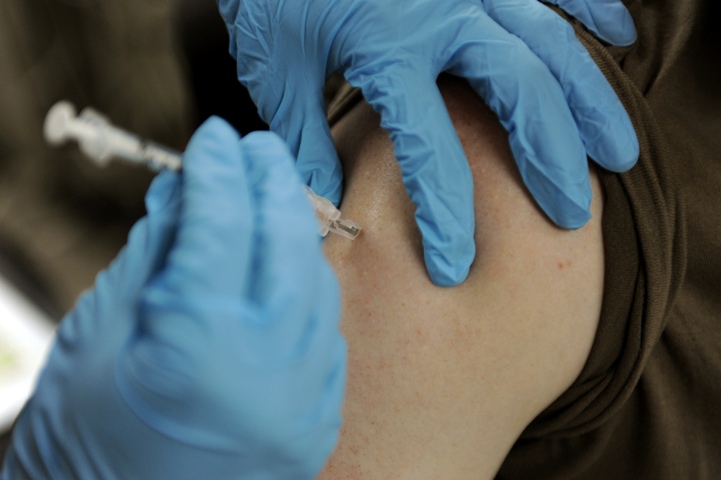
Next-generation influenza vaccines offering broader and longer-lasting protection could prevent up to 18 billion cases of flu and save 6.2 million lives globally by 2050, according to a major new assessment by the World Health Organization (WHO).
The findings come from WHO's Full Value of Improved Influenza Vaccines Assessment (FVIVA) and a companion article published in the journal Vaccine, which evaluate the potential health, economic and policy impact of next-generation and universal influenza vaccines.
The assessment provides a roadmap to guide investment, research priorities and national policy decisions — while strengthening both seasonal influenza programmes and global pandemic preparedness.
A Persistent Global Health Threat
Seasonal influenza remains a major global health burden:
-
Around 1 billion cases annually
-
3–5 million severe illnesses each year
-
Between 290,000 and 650,000 deaths from respiratory complications
While current seasonal vaccines reduce disease burden, their effectiveness varies depending on the strain match, product type and population group. Protection typically lasts only one flu season.
Twice annually, WHO convenes experts through its Global Influenza Surveillance and Response System to recommend vaccine strain compositions. Although 143 countries report having seasonal influenza vaccines available, the majority of doses are used in upper-middle and high-income countries.
Projected Impact of Improved Vaccines
The FVIVA estimates that if improved or universal influenza vaccines are widely deployed between 2025 and 2050, they could:
-
Prevent up to 18 billion influenza cases
-
Save up to 6.2 million lives
-
Significantly reduce severe disease among high-risk groups such as:
-
Older adults
-
Young children
-
Pregnant women
-
"This assessment makes clear the potential benefits that improved influenza vaccines could offer across different settings," said Dr Philipp Lambach, WHO technical lead of the project.
"It provides all those working on future influenza vaccine investments, policy development and research priorities a common set of evidence to catalyize vaccine development."
Economic Gains and Reduced Antibiotic Use
The study highlights that next-generation vaccines could remain cost-effective or even cost-saving in many countries, depending on national health system factors and pricing.
A major secondary benefit is the reduction in antimicrobial use. Current influenza vaccination programmes are estimated to reduce unnecessary antibiotic prescriptions by 10 million doses annually.
With broader and longer-lasting vaccines, the global impact could be even greater:
-
Up to 1.3 billion defined daily doses of antibiotics averted between 2025 and 2050
This reduction would contribute significantly to tackling antimicrobial resistance (AMR) — a growing global health threat.
Adoption Will Depend on National Context
WHO cautions that the real-world impact of next-generation vaccines will depend on multiple factors, including:
-
National influenza burden
-
Health system capacity
-
Vaccine pricing
-
Programme delivery considerations
-
Safety and duration of protection
-
Temperature stability and shelf-life
These factors will be especially important for adoption decisions in low- and middle-income countries.
Guiding Development and Investment
The FVIVA framework is designed to support evidence-informed discussions between governments, manufacturers, researchers and funding partners.
It aligns with WHO's Global Influenza Strategy 2019–2030 and updated Preferred Product Characteristics (PPCs) for next-generation influenza vaccines, revised in December 2025.
The updated PPCs call for vaccines that:
-
Provide broader protection across multiple influenza strains
-
Offer protection beyond a single season
-
Improve protection against severe disease
-
Are suitable for use in low- and middle-income countries
-
Enable technology transfer to support local vaccine production
The push for improved influenza vaccines builds on lessons learned during the COVID-19 pandemic, particularly around rapid vaccine development and scalable manufacturing.
46 Next-Generation Vaccines in Development
As of February 2026, 46 next-generation influenza vaccine candidates are in clinical development across a range of technology platforms, according to the Influenza Vaccines R&D Roadmap.
Further analyses supporting the FVIVA findings have been published in a special supplement of the journal Vaccine.
WHO says the evidence now provides a strong foundation for accelerating development of next-generation influenza vaccines — potentially transforming the world's ability to reduce the annual toll of flu and better prepare for future pandemics.
ALSO READ
-
Pax Silica is a declaration that future belongs to those who build and when free people join forces: US under secretary Helberg.
-
Chhatrapati Shivaji Maharaj: The Visionary Leader Who Shaped History
-
Who Will Helm the ECB? Former Spanish and Dutch Governors Emerge as Top Contenders
-
WHO Member States Advance Key Annex on Pathogen Sharing Under Pandemic Agreement
-
Conflict and Fragility Drive Majority of Global Maternal Deaths, WHO Warns








 Google News